Buying Guide
Choosing the right 10 inch round cake pan depends on more than diameter alone. Depth, material, surface finish, and how you plan to use the pan all affect the final result. Before you add anything to your cart, consider the factors that separate a frustrating bake from a flawless layer.
Sizing and Capacity
A true 10 inch round pan is measured across the top rim, but capacity varies dramatically with depth. A standard two-inch pan holds roughly eight cups of batter, which is ideal for most layer-cake recipes. If you prefer tall single layers, deep-dish pizzas, or dense cheesecakes, a three-inch pan offers extra insurance against overflow and reduces the need to split batter across multiple tins.
When planning tiered cakes, keep in mind that a two-inch pan produces a layer that is easy to stack and torte, while a three-inch pan can be split horizontally into two thinner layers or left tall for dramatic presentations. Always verify that the pan you choose matches the volume your recipe demands, because an under-filled deep pan can cause uneven baking just as easily as an over-filled shallow one.
Material Tradeoffs
Aluminized steel, anodized aluminum, natural aluminum, and carbon steel each behave differently in the oven. Anodized aluminum is electrochemically hardened, so it resists corrosion, will not react with acidic batters, and typically yields an even golden crust. Natural aluminum heats and cools rapidly, giving you precise control but occasionally producing slightly darker edges. Aluminized steel combines the conductivity of aluminum with the strength of steel, making it resistant to warping and well suited to coated nonstick surfaces. Carbon steel retains heat effectively and often arrives with a nonstick finish, though it may require gentler handling to preserve the coating over time.
If you bake with citrus, buttermilk, or other acidic ingredients, anodized or coated aluminized steel is generally the safer route to avoid metallic aftertastes. For bakers who value maximum durability and do not mind a quick hand wash, uncoated natural aluminum remains a timeless choice.
Nonstick Versus Uncoated
Nonstick pans allow easy release and quick cleanup, which is helpful for intricate shaped cakes or sticky batters like fruitcake and toffee pudding. However, dark nonstick surfaces absorb more heat and can accelerate browning on the bottom and sides. If you choose a nonstick 10 inch round cake pan, consider lowering your oven temperature slightly and checking for doneness earlier than the recipe suggests.
Uncoated aluminum pans rely on proper greasing and often parchment paper for release. They tend to produce lighter crusts and can last indefinitely if you avoid aggressive scrubbing or dishwasher cycles. Many professional bakers prefer uncoated pans because they offer predictable heat patterns and can be resurfaced if they develop minor scratches.
Setup and Baking Preparation
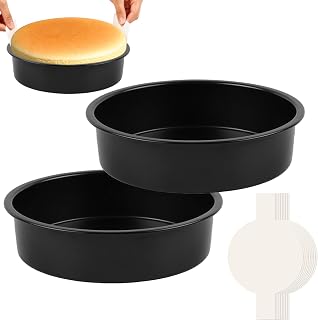
Before you pour batter, prepare the pan according to its material. For uncoated aluminum, a thin layer of shortening or butter followed by a dusting of flour usually suffices. Some bakers also line the bottom with a parchment circle to guarantee a clean release. If your pan arrives with pre-cut parchment sheets, use them to save time and ensure consistent coverage.
Place the pan on the center rack for the most even heat exposure. If you are baking two layers at once, stagger the pans so they are not directly above one another, and rotate them halfway through the bake time to counter any hot spots in your oven. Always allow the cake to cool in the pan for the recommended time before attempting to turn it out; removing too early can cause fragile layers to crack or crumble.
Maintenance and Longevity
Hand washing extends the life of most cake pans, especially those with nonstick or anodized finishes. Harsh detergents and abrasive sponges can degrade coatings and scratch aluminum surfaces. If you do use a dishwasher, place pans away from stainless steel utensils that might bang against them during the cycle.
Store pans by stacking them with a soft liner or paper towel between each piece to prevent surface marring. Over time, aluminum may develop a natural patina or light discoloration. This is cosmetic and does not affect baking performance. Avoid using metal utensils inside nonstick pans, and never cut a cake directly in the tin unless you are willing to accept surface damage.
Reliability Signals
When comparing 10 inch round cake pans online, look beyond the star rating. A high average with only a few dozen reviews may reflect initial enthusiasm rather than long-term durability. Seek out listings with hundreds or thousands of reviews that mention repeated use over months or years. Pay attention to comments about warping, rust, coating flaking, and whether the pan arrives true to size.
Photos from verified purchasers can reveal how cakes actually look after baking, including browning patterns and edge sharpness. If multiple reviewers mention consistent results across different recipes, that is a strong sign the pan distributes heat evenly. Conversely, frequent complaints about domed tops or burnt bottoms suggest the material or gauge may not suit your oven.
How to Compare Reviews
Start by filtering for reviews that mention the specific type of cake you intend to bake. A pan that excels at airy chiffon may behave differently with dense carrot cake batter. Look for feedback on release quality, how straight the sides are, and whether the pan arrives dented or warped. Check the most recent reviews for any changes in manufacturing or quality control, because bakeware lines occasionally shift production without updating the product page.
Final Recommendation
If you want a professional-grade tool that will serve you for years, prioritize anodized aluminum or heavy-gauge aluminized steel with straight sides. The top-ranked options in this list excel at heat distribution and edge definition, making them ideal for layered birthday cakes, wedding tiers, and special-occasion desserts.
For bakers who prefer convenience, a nonstick carbon steel set with included parchment paper streamlines prep and cleanup. These are excellent choices for busy households where speed matters as much as presentation.
If you are building a bakeware collection from scratch, consider a multi-piece set that includes a 10 inch round pan alongside smaller diameters. This gives you flexibility for everything from test batches to multi-tier projects without requiring separate purchases.
Finally, match depth to your baking style. Choose a two-inch pan for standard layers and easy stacking, or opt for a three-inch depth if you regularly bake tall single layers, deep cheesecakes, or dense holiday cakes. By aligning material, depth, and finish with your actual kitchen habits, you will end up with a 10 inch round cake pan that earns its shelf space every time you preheat the oven.