Buying Guide
Choosing the right 9 inch round cake pan depends on how often you bake, what you bake, and how much cleanup you are willing to do. While every pan in this comparison measures roughly nine inches across, small differences in wall height, material, and surface coating can change your results. Use the sections below to narrow down the best fit for your kitchen.
Sizing and Capacity
A standard 9 inch round cake pan is the most versatile diameter for home recipes, but depth varies. Most options are 2 inches tall, which is ideal for classic layer cakes and fits comfortably in standard ovens. If you prefer deep-dish desserts, thick single layers, or tortes, a 3-inch pan gives you extra capacity without overflow. Keep in mind that deeper pans may increase baking time slightly, so you should monitor doneness with a tester rather than relying solely on the recipe clock. When planning layered cakes, owning two identical pans of the same depth lets you bake both layers at once, saving time and ensuring even rise.
Material Tradeoffs
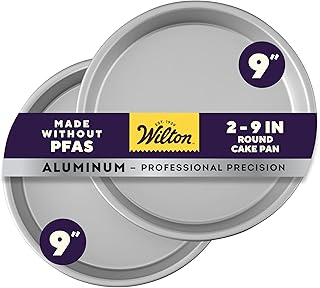
Aluminum, aluminized steel, stainless steel, and carbon steel each behave differently in the oven. Natural aluminum heats quickly and produces crisp, golden edges, but it can react with acidic ingredients such as lemon or tomato if the surface is uncoated. Anodized aluminum solves that problem by hardening the surface, making it more durable and less reactive while still conducting heat efficiently. Aluminized steel pairs a steel core with an aluminum coating, offering structural rigidity and even browning; it is often the choice of commercial bakeries. Stainless steel is non-reactive and extremely durable, though it can produce paler crusts unless you use parchment or a light greasing. Carbon steel is sturdy and affordable, but it may require more careful drying to avoid rust if the coating ever wears thin.
Nonstick versus Uncoated
Nonstick coatings simplify release and cleanup, which is helpful for sticky batters such as fruit cakes or dense cheesecakes. However, nonstick surfaces can degrade over time if exposed to high heat or metal utensils. Uncoated aluminum or stainless steel pans rely on proper greasing and parchment paper for release, but they tolerate higher temperatures and aggressive tools without damage. If you prefer a nonstick surface, look for pans with a reinforced or quick-release coating and avoid cutting inside the pan to preserve the finish.
Setup and Preparation
Most 9 inch round cake pans require little setup beyond a light wash before first use. If your pan is uncoated aluminum, a thin layer of butter or oil plus a dusting of flour usually prevents sticking. For even easier release, place a parchment round at the bottom; some sets include pre-cut rounds, which eliminates trimming. Stainless steel pans benefit from parchment more than nonstick ones, because food can adhere to bare metal if the batter is low in fat. Always place pans on the center rack for the most even heat, and rotate them halfway through if your oven has hot spots.
Maintenance and Longevity
To extend the life of any cake pan, avoid sudden temperature changes that cause warping. Let the pan cool on a wire rack before rinsing, and never plunge a hot pan into cold water. Hand washing is gentler on nonstick coatings than dishwasher cycles, even when the manufacturer labels the pan dishwasher safe. For aluminum pans, steer clear of abrasive scrubbers that can scratch the surface and darken the finish. Stainless steel pans can handle more aggressive cleaning, but drying them immediately prevents water spots. Store pans by nesting them with a soft liner or paper towel to prevent surface scratches.
Reliability Signals
When comparing 9 inch round cake pans, review count and purchase velocity often reveal more than star rating alone. A pan with thousands of reviews and a 4.7 or higher average has survived real-world testing across many kitchens and recipes. Look for recent feedback that mentions consistent wall height, lack of warping after repeated use, and whether the diameter truly measures nine inches. Some reviewers note if a pan runs slightly large or small, which can affect layer alignment. Photos in reviews are also useful for checking how evenly a pan browns batter and whether the surface shows wear after months of use.
How to Choose Among the Ranked Products
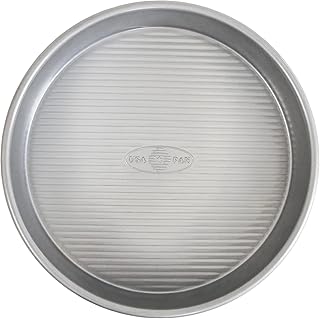
If you bake layer cakes weekly and want professional results, the anodized aluminum sets at the top of the list offer straight sides, even heating, and long-term durability. For bakers who value American manufacturing and a quick-release surface, the aluminized steel options provide a sturdy feel and reliable browning. Those who avoid chemical coatings entirely should look at the stainless steel choices, especially the set of three if you frequently bake tiered cakes. If you only bake occasionally or need a backup pan for holidays, the single natural aluminum or budget nonstick choices deliver solid performance without over-investing. Finally, if you routinely bake thick single layers or deep-dish desserts, prioritize the 3-inch depth option to prevent overflow and reduce the need for multiple batches.