Buying Guide
AAAA batteries—also called quadruple-A or LR61 cells—are among the smallest cylindrical alkaline batteries commonly available. They power everything from active styluses and penlights to glucose monitors and compact cameras. Because the form factor is so specialized, picking the right cell involves more than grabbing the cheapest pack on the shelf. This guide breaks down what matters most when shopping for the best aaaa batteries, how to interpret listings, and how to match a product to your specific devices.
Understanding AAAA Size and Capacity
AAAA cells measure roughly 8.3 millimeters in diameter and 42.5 millimeters in length, making them noticeably slimmer than AAA cells. Most disposable AAAA batteries use alkaline chemistry rated at 1.5 volts. Rechargeable versions typically rely on nickel-metal hydride (Ni-MH) chemistry at 1.2 volts. While the voltage difference is modest, some sensitive electronics—especially certain styluses and medical meters—are calibrated for the slightly higher alkaline output. If your device manual specifies alkaline, avoid substituting a rechargeable cell unless the manufacturer explicitly permits it.
Capacity is rarely printed on the label of alkaline AAAA cells, but reputable brands generally engineer them for consistent milliamp-hour delivery across the discharge curve. In practice, this means a high-quality alkaline AAAA will maintain steady brightness in a penlight longer than a bargain cell that drops off quickly. For rechargeable AAAA batteries, look for milliamp-hour (mAh) ratings in the product title or description. Higher mAh numbers generally translate to longer runtime per charge, though real-world results still depend on the device’s draw.
Feature Tradeoffs: Alkaline vs. Rechargeable
Alkaline AAAA batteries dominate the market because they are ready to use, widely compatible, and easy to stockpile. They also tend to hold their charge for years when stored properly. Most top brands list shelf lives of three to five years, which makes alkaline cells ideal for emergency kits or devices used only occasionally.
Rechargeable AAAA batteries appeal to users who burn through cells quickly—graphic designers with active styluses, for example, or technicians who rely on penlights daily. The upfront current Amazon listing detail of a rechargeable set plus a charger is higher, but the cycle count—often rated at 1,000 charges or more—can pay for itself over time. The tradeoff is lower nominal voltage (1.2V vs. 1.5V) and the need to keep a charging routine. If your device is finicky about voltage, test one rechargeable cell before committing to a full set.
Installation and Setup Considerations
Installing AAAA batteries is straightforward, yet the small size introduces a few practical wrinkles. First, polarity markings are tiny. Use good lighting and confirm the positive and negative orientation before inserting the cell, because forcing a reversed battery into a slim stylus barrel can damage the contact spring. Second, never mix old and new batteries in the same device. Uneven discharge can cause leakage or weak performance. Third, if you are using rechargeable AAAA cells, fully charge them before the first use. Some Ni-MH cells ship at partial charge, and starting with a full tank gives you the most accurate sense of real runtime.
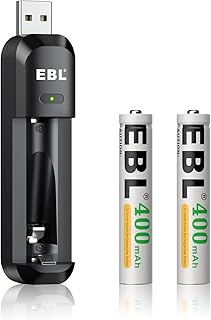
For users buying a charger-inclusive bundle, verify that the charger supports the correct physical size. Some compact USB chargers accept multiple battery formats, but the AAAA bay must grip the narrow cell securely. A loose fit can interrupt charging or create poor contact.
Maintenance, Storage, and Reliability Signals
To maximize shelf life, store alkaline AAAA batteries in a cool, dry place away from direct sunlight. Avoid refrigerating them; modern alkaline formulas do not require cold storage, and condensation can corrode terminals. Rechargeable Ni-MH cells should be stored at roughly forty to fifty percent charge if they will sit unused for months, and they benefit from a top-off charge before deployment.
Reliability signals in listings include explicit shelf-life claims, leakproof guarantees, and brand-backed warranties. A listing that states a five-year shelf life or a leakproof design is usually a sign that the manufacturer has invested in sealing technology and quality control. Conversely, listings with no technical claims and extremely low review counts should be treated cautiously, even if the star rating looks perfect.
How to Compare Reviews Effectively
When evaluating the best aaaa batteries, look beyond the average star rating. A product with tens of thousands of reviews and a 4.6-star average is often more reliable than a listing with eighteen reviews and a 4.9-star average, because the larger sample size has survived more real-world scenarios. Read recent reviews first; battery formulations and manufacturing batches change over time, and feedback from the last six months is more relevant than two-year-old comments.
Pay attention to context. A negative review complaining that a battery did not last a year in a high-drain device may reflect unrealistic expectations rather than poor quality. Conversely, multiple recent reports of leakage or premature death are red flags. For rechargeable sets, look for comments about charge-cycle longevity and whether the included charger gets uncomfortably hot.
Final Recommendation: Choosing Among the Ranked Products
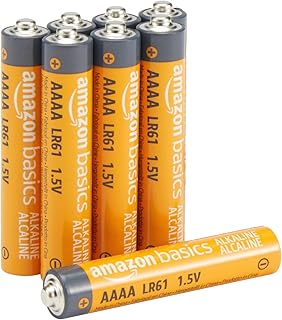
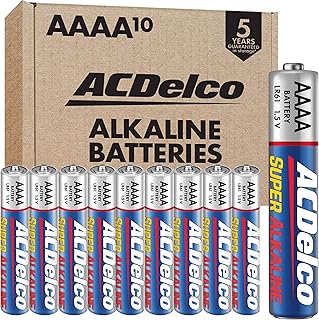
If you want the safest all-around choice, prioritize the highest-rated alkaline two-pack from a legacy brand. It offers proven chemistry, broad device compatibility, and enough reviews to confirm consistent manufacturing quality. For households or offices that run multiple AAAA devices, the eight-count or ten-count alkaline bundles provide better long-term convenience and reduce packaging waste.
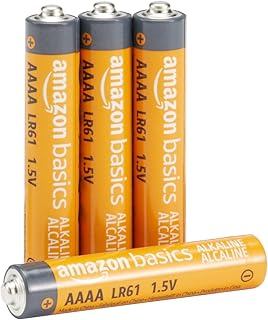
Budget-conscious shoppers who still want reliable alkaline power should consider the four-count store-brand option. It carries the same review pedigree as its larger sibling and performs well in low-to-moderate drain devices.
If you use a Surface Pen or active stylus daily, a rechargeable AAAA set with a dedicated charger is the smarter investment. Choose the bundle with the highest cycle rating and the most detailed charger safety features. Just confirm that your stylus tolerates 1.2-volt Ni-MH output before switching away from alkaline.
Finally, for medical applications such as glucose meters, select the alkaline pack explicitly marketed for health monitors. The combination of a five-year shelf life and a ten-count supply means you are less likely to run out during a critical moment. No matter which option you choose, match the chemistry to your device’s manual, buy enough spares to avoid mid-project failures, and store them properly so they are ready when you need them.