Buying Guide
Finding the right acidophilus supplement means looking beyond the front label. While many products promise digestive support, the best acidophilus supplements distinguish themselves through viable culture counts, strain specificity, delivery format, and shelf stability. This guide breaks down the practical factors to weigh before adding a daily probiotic to your regimen.
Understanding CFU Count and Potency
Colony-forming units, or CFU, indicate how many live and active microorganisms a supplement delivers per serving. Acidophilus products on the market range from around 100 million CFU up to 10 billion CFU or more per dose. A lower CFU count can be perfectly adequate for general maintenance, especially if you already consume fermented foods. Higher counts, such as 10 billion CFU, may appeal to individuals seeking more intensive digestive support or those recovering from antibiotic use.
When comparing potency, check whether the CFU count is guaranteed at expiration or only at the time of manufacture. Supplements that guarantee viability through the end of shelf life typically employ better moisture-control packaging or delayed-release capsule technology. If a product does not specify, assume the stated CFU reflects the manufacturing date and that some decline may occur over time.
Strain Verification and Transparency
Not every acidophilus supplement uses the same substrain of Lactobacillus acidophilus. Some manufacturers verify their strains through third-party testing or genomic identification, which helps ensure you are getting the exact organism listed on the label. Look for phrases like “strain verified” or specific strain designations, such as La-14, in the product details. Verified strains provide more confidence that the cultures will survive shelf storage and resist stomach acid long enough to reach the intestines.
If you have specific digestive goals, research whether the strain in your chosen product has been studied for those outcomes. While this guide does not make medical claims, understanding that different strains behave differently can help you narrow your options among the best acidophilus supplements.
Acidophilus probiotics come in several formats, and the right choice depends on your lifestyle and preferences. Traditional capsules and tablets are the most common. Tablets often contain binding agents but can be easier to split if you prefer to titrate your dose. Capsules, especially vegetarian capsules, may dissolve faster and are frequently favored by those avoiding gelatin.
Chewable acidophilus tablets offer an alternative for individuals who struggle with swallowing pills. They often include natural flavoring to mask the tangy taste of live cultures. However, chewables may contain additional sugars or sweeteners, so review the excipient list if you monitor carbohydrate intake. Delayed-release capsules represent another tier of delivery technology, designed to protect cultures from stomach acid and release them in the intestines where they are most beneficial.
Shelf Stability and Storage Requirements
Some acidophilus supplements require refrigeration to maintain potency, while others are shelf-stable. Shelf-stable products use desiccant-lined bottles, specialized packaging, or hardy strains that tolerate room temperature. If you travel frequently or prefer to store supplements in a cabinet rather than a refrigerator, a shelf-stable formula will simplify compliance. Always check the label for storage instructions, and once opened, keep the bottle tightly sealed away from heat and humidity.
Sizing, Supply Duration, and Reorder Frequency
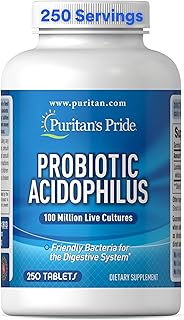
Bottle sizes vary significantly. A 60-count bottle taken once daily lasts two months, while a 250-count bottle stretches to over eight months. Larger supplies generally reduce the mental load of reordering and can lower the per-serving current Amazon listing detail. However, if you are trying a new brand for the first time, a smaller count lets you assess tolerance before committing to a long-term supply. Consider your household size as well; if multiple family members take the same supplement, a twin pack or high-count bottle becomes more practical.
Feature Tradeoffs to Consider
High CFU counts and advanced delivery mechanisms often come with tradeoffs. A 10 billion CFU formula may current Amazon listing detail more per bottle than a 100 million CFU maintenance dose. Delayed-release capsules and chewable formats can also carry a price premium compared to standard tablets. Decide whether you need maximum potency or if a moderate, consistent daily dose meets your wellness goals.
Another tradeoff involves added ingredients. Some acidophilus supplements include prebiotic fiber, such as inulin, to nourish the cultures. While this can be beneficial, it adds complexity to the formula. If you prefer a minimalist approach, choose a product with fewer excipients and no added fiber.
Maintenance and Routine Integration
Incorporating an acidophilus supplement into your daily routine works best when paired with a consistent schedule. Most products recommend taking probiotics with a meal or shortly before eating, when stomach acid is somewhat buffered by food. If you take antibiotics, spacing your probiotic dose a few hours away from the antibiotic can help preserve culture viability. Always follow the specific directions on your chosen product, as formulations differ in their optimal timing.
Reliability Signals and How to Compare Reviews
When evaluating the best acidophilus supplements, review volume and purchase velocity serve as important reliability signals. A product with tens of thousands of reviews and steady monthly sales has demonstrated broad consumer trust over time. However, do not ignore mid-tier products with fewer but highly detailed reviews. Look for feedback that mentions specific outcomes related to digestive comfort, capsule quality, and whether the user repurchased the item.
Be cautious of listings where reviews seem generic or duplicated across unrelated products. Focus on verified purchase badges and reviews that discuss the product’s physical characteristics, such as tablet size, smell, or packaging integrity. Patterns in negative feedback, such as repeated reports of broken tablets or inconsistent color, can signal quality-control issues worth noting.
Final Recommendation: How to Choose
If you want a proven, no-surprises acidophilus supplement with enormous social proof, the top-ranked daily tablet with hundreds of thousands of reviews offers an excellent starting point. It delivers a straightforward maintenance dose in a vegetarian format that fits most lifestyles.
For shoppers prioritizing potency, the high-CFU options in the ranking provide billions of cultures per serving. These suit individuals who want more aggressive digestive support or who have specific dietary gaps. Choose a strain-verified capsule if scientific transparency matters to you, or opt for a chewable if swallowing pills is a barrier.
Those focused on long-term convenience should look at the high-count or twin-pack selections. They minimize reordering and often represent better overall value for money. Ultimately, the best acidophilus supplement is the one you will take consistently, stored properly, and matched to your personal digestive needs and format preferences.