Buying Guide
Adobo sauce appears in two beloved traditions: Mexican chipotle peppers in adobo and Filipino adobo seasoning. Both deliver bold, savory depth, but they serve different roles in the kitchen. Before you add a product to your cart, consider how much you need, how you plan to use it, and what format fits your cooking style.
Sizing and Capacity
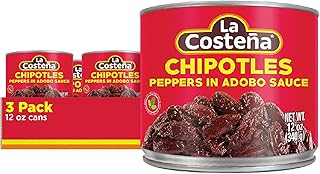
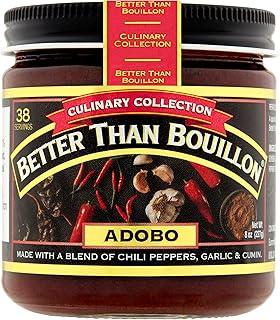
Adobo sauce comes in formats ranging from small seven-ounce cans to bulk 28-ounce jars and dry mix packets. If you cook for one or two people and only need adobo occasionally, a single can or a small jar keeps waste low. Families that prepare tacos, enchiladas, or braised meats weekly will benefit from multi-packs or larger cans. Concentrated bases offer a middle ground: a small eight-ounce jar can yield several dozen servings because you dilute it to taste. Dry mixes like Filipino adobo packets are the most shelf-stable and take up almost no space, though they require adding water or broth during preparation.
Think about your recipe rotation. A single can of chipotle peppers in adobo often contains more sauce and peppers than one meal requires, but leftovers store well in the refrigerator for a week or more. If you use adobo sauce as a marinade base or blend it into dressings, you will move through inventory faster than if you only add a spoonful to soup.
Feature Tradeoffs
Whole peppers in adobo sauce deliver authentic texture and visual appeal. You can chop or puree them yourself, controlling the final consistency. Pre-chopped varieties save time when you are building salsas or taco fillings quickly, though they offer less flexibility if you prefer whole peppers for plating. Concentrated bases provide the most control over salt and thickness, but they require an extra step of dilution and lack the fruity complexity that whole chipotles bring.
Filipino adobo mixes are fundamentally different from Mexican chipotle adobo. They lean savory and tangy rather than smoky and spicy. If your goal is to build Latin American dishes, stick to Mexican chipotle products. If you want to prepare chicken or pork adobo with vinegar and soy notes, a Filipino mix is the better path. Some cooks keep both on hand because the two traditions complement different weeknight menus.
Setup and Preparation Considerations
Canned chipotle peppers in adobo are ready to use straight from the container. The only setup involved is opening the can and deciding whether to use the peppers whole, chopped, or blended. Because the sauce is potent, many recipes call for a small amount, so plan on transferring leftovers to a glass jar or airtight container. A thin layer of oil on top can help preserve the remaining sauce in the refrigerator.
Concentrated bases require measuring and mixing with hot water or broth. This adds a minute or two to your workflow but rewards you with a customizable intensity. Dry mixes need liquid and protein, so they work best when you have time for the sauce to reduce and cling to meat. Neither format is difficult, but canned peppers remain the most convenient for last-minute cooking.
Maintenance and Storage
Once opened, canned adobo sauce should be refrigerated and used within one to two weeks for the best flavor. The high acid content helps preserve it, but mold can develop if the container sits too long. Transferring leftovers from a metal can to glass or plastic prevents off-flavors. Concentrated bases generally last several months in the refrigerator after opening because of their salt content and reduced moisture. Dry mixes stay viable for a year or more when stored in a cool, dark pantry.
If you buy a multi-pack of canned peppers, leave unopened cans in the pantry. They require no special conditions beyond avoiding extreme heat. Bulk buyers who purchase twelve-can cases should rotate stock so that older cans move to the front of the shelf.
Reliability Signals
When comparing adobo sauces, look for consistent color and texture across reviews. A reliable product should feature deep reddish-brown sauce with intact peppers that are soft but not mushy. Reviews that mention balanced heat rather than overwhelming fire suggest a recipe that works for mixed crowds. High review counts combined with strong monthly purchase numbers usually indicate a product that home cooks return to repeatedly, which is a good sign of stable quality.
Pay attention to whether reviewers use the sauce for its intended purpose. Feedback from customers who blend it into mayo, stir it into chili, or rub it onto chicken provides a better sense of versatility than comments focused only on snacking out of the can. For dry mixes, reliability shows up in reviews that praise consistent flavor across multiple packets and easy dissolution without clumping.
How to Compare Reviews
Start by filtering for the most recent feedback. Food products can change subtly over time due to crop variation or supplier shifts. Recent reviews tell you what the current batch tastes like. Next, look for patterns. If several reviewers mention that a particular brand is especially smoky, mild, or salty, you can trust that the profile is intentional rather than a one-off production issue.
Be cautious of outlier complaints about damaged cans or shipping delays; these reflect fulfillment issues rather than product quality. Instead, focus on comments about flavor accuracy, pepper texture, and sauce thickness. For multi-packs, check whether buyers report consistent quality across every can in the shipment.
Final Recommendation
Choosing among these ranked products depends on your cooking habits and flavor goals. If you want a dependable all-rounder for tacos, enchiladas, and marinades, the top-ranked multi-packs of chipotle peppers in adobo sauce offer the best combination of value, ratings, and popularity. For cooks who only need adobo occasionally, a single highly rated can keeps things simple without pantry bloat.
Those who prepare large batches of stew or braised meat should consider the 28-ounce bulk cans. The price per ounce drops significantly at that size, and the peppers hold up well during long cooking times. If you prefer a cleaner refrigerator and less waste, a concentrated base lets you mix small amounts on demand. Finally, anyone craving the savory-tangy profile of Filipino adobo will be better served by the dedicated sauce mixes than by Mexican chipotle products.
No matter which format you choose, the best adobo sauce is the one that matches your heat tolerance, recipe style, and kitchen storage. Keep at least one can or jar on hand, and you will always have a quick path to deep, complex flavor.