Buying Guide
Understanding Compressor Fitment and Capacity
Air conditioning compressors are not universal parts. Each unit is engineered for specific engine displacements, model years, and often individual trim levels. Before you choose a replacement, verify your vehicle’s exact year, make, model, and engine size. A compressor built for a 2.0L inline-four differs internally from one designed for a 3.5L V6, and refrigerant capacity must align with your factory system. Mismatched displacement can lead to poor cooling, premature wear, or outright compressor seizure. Many listings show long compatibility charts, but it is worth reading the fine print for sub-model exceptions such as hybrid variants, all-wheel-drive trims, or rear A/C configurations that can change pulley depth and hose routing.
Clutch Assembly and Connector Details
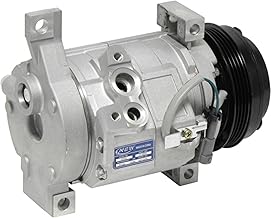
Most quality replacement compressors ship as complete assemblies with the electromagnetic clutch and pulley already installed. This saves labor time and reduces the risk of mismatch between the clutch coil and your vehicle’s electrical demands. Pay close attention to pulley groove count; six-groove designs are common on trucks and SUVs, while passenger cars may use alternate configurations. Electrical connectors vary as well. Some units rely on a single plug, while others require a two- or three-pin connector. Matching the clutch style, pulley diameter, and plug type to your original equipment prevents last-minute surprises and ensures the compressor engages reliably whenever the A/C switch is activated.
Installation and Setup Considerations
Replacing an air conditioning compressor is an involved job that typically requires recovering the old refrigerant, removing the serpentine belt, and unbolting the mounting bracket. If the previous compressor failed catastrophically—especially if it locked up or shed internal debris—you should also replace the receiver drier and expansion valve and flush the metal lines. Many professionals recommend adding the manufacturer-specified amount of PAG oil to the new compressor before installation. Some units arrive pre-filled, while others are shipped dry and must be charged in the shop. Check whether the clutch hub is pre-gapped and whether the seals are lubricated. Skipping these steps can lead to immediate failure even with a brand-new unit, so treat the full system, not just the compressor itself.
Maintenance and Longevity
Once your new compressor is in place, the best way to extend its life is to run the air conditioning regularly, even during cooler months. Periodic engagement keeps seals lubricated and prevents the clutch plate from sticking or corroding. Listen for abnormal noises when the compressor cycles on; grinding, rattling, or squealing can indicate a bearing issue or low refrigerant charge. Monitor cabin vent temperatures over time. If cooling drops gradually, inspect for leaks rather than forcing the compressor to run dry. A well-maintained system with clean refrigerant and proper oil levels reduces strain on the internal pistons and the electromagnetic clutch, often pushing service life well beyond the typical five-to-seven-year window.
Reading Reviews and Reliability Signals
When comparing air conditioning compressors, look beyond the headline star rating. A perfect score based on only a handful of reviews can be less meaningful than a slightly lower average backed by hundreds of verified purchases. Read recent feedback for recurring themes. Do owners mention quiet operation and quick cooling recovery? Are there repeated complaints about clutch engagement delays, leaking front seals, or incorrect hose orientation? Photos in reviews can reveal packaging quality, finish consistency, and whether the electrical plug matches the advertised shape. Consistent praise for direct bolt-on fit and factory-comparable performance usually signals a safe choice, while frequent reports of early failure should raise a red flag regardless of how attractive the listing appears.
Final Recommendations
Choosing among these ranked compressors comes down to your specific vehicle and how you balance convenience with long-term reliability. If you want the safest bet for a daily driver, favor the unit with the broadest review history and steady month-over-month purchases. That level of social proof usually reflects consistent manufacturing quality and accurate fitment data. For older trucks or full-size SUVs, select a compressor explicitly rated for your engine size and pulley configuration, and plan for a complete system flush to protect the new investment. If you drive a high-volume commuter car such as a Honda Civic, Toyota Corolla, or Hyundai Sonata, the top-rated options here offer precise compatibility and strong owner feedback. Always confirm that the clutch assembly, electrical plug, and pulley groove count match your original part, and cross-reference the replacement part numbers against your dealer or repair manual. With the correct match and careful installation, any of these ten units can restore dependable cabin cooling for years to come.