Buying Guide
Selecting the right air conditioning fittings requires more than matching thread sizes. The correct fitting must withstand system pressure, resist chemical attack from refrigerant and oil, and fit within the physical constraints of your engine bay or HVAC cabinet. This guide explains the key factors to consider when comparing air conditioning fittings so you can choose hardware that seals reliably and lasts through many cooling seasons.
Sizing and Capacity
Air conditioning fittings are categorized by hose or tube sizes, often expressed as dash numbers such as #6, #8, #10, and #12. In automotive applications, #8 and #10 fittings are common for high- and low-pressure service lines, while residential HVAC systems typically rely on 1/4 inch, 3/8 inch, and 1/2 inch tubing. Before ordering, verify the outside diameter of your hose or copper tube and confirm whether you need a straight, 45-degree, or 90-degree orientation. A mismatch in nominal size will either leak immediately or create a restriction that reduces system efficiency. If you are building custom AC lines, purchase a fitting set that spans multiple sizes so you have the correct beadlock or O-ring boss for every junction.
Material and Feature Tradeoffs
Aluminum, brass, and copper each offer distinct advantages. Aluminum fittings are lightweight and resist corrosion in automotive engine bays, making them popular for R134a and R1234yf quick couplers as well as beadlock hose ends. Brass delivers excellent machinability and strength, which is why it appears frequently in ball valve adapters and tank conversion kits. Copper remains the standard for permanent HVAC line connections because it handles brazing and flaring beautifully and conducts heat well. When evaluating air conditioning fittings, look for anodized or coated finishes that add a barrier against oxidation. Beadlock fittings generally provide a stronger mechanical grip on rubber hose than simple barb designs, but they require proper crimping tools. O-ring seals are convenient for serviceable joints, while flared copper connections are more permanent and less prone to weeping under vibration.
Installation and Setup Considerations
Installation complexity varies widely by fitting type. Quick couplers for automotive systems usually thread onto 1/4 inch flare service ports by hand or with modest wrench torque, making them accessible to DIYers. Beadlock and O-ring boss fittings, however, demand a hose crimper or robust worm-gear clamps and careful alignment so the hose does not twist under pressure. Copper flare fittings require a quality flaring tool and deburring process to create a conical seat that seals metal-to-metal. If you are working on a newer vehicle with an R1234yf system, confirm that your couplers are chemically compatible with the refrigerant and its associated PAG oil; older R134a hardware may use different seal compounds that degrade when exposed to newer refrigerants. Always evacuate the system before opening lines, and replace Schrader valve cores while the system is open to prevent slow leaks after reassembly.
Maintenance and Reliability Signals
Reliable air conditioning fittings share a few observable traits. First, consistent threading without burrs indicates quality machining that will seal evenly. Second, thick-walled bodies resist cracking when torqued or vibrated. Third, robust O-ring grooves or deep flare seats provide redundant sealing surfaces. In customer reviews, look for mentions of repeated connection cycles without leakage, stable pressure readings on gauge sets, and resistance to cross-threading. Complaints about stripped threads, cracked bodies, or soft aluminum that galls during installation are red flags. For ball valve adapters, smooth quarter-turn operation without grittiness suggests good internal tolerances and proper lubrication. If a listing shows strong sales velocity over many months, it usually indicates that professionals are reordering the item, which is a strong reliability signal.
How to Compare Reviews
When reading feedback on air conditioning fittings, focus on context rather than star averages alone. A five-star review from a user who only hand-tightened a fitting tells you less than a four-star review from a certified technician who pressure-tested the system. Pay attention to reviews that mention specific vehicles or HVAC models, because fitment can vary by manufacturer. Look for photographic evidence of the fittings installed on hoses or gauge manifolds; these images often reveal machining quality and plating consistency better than stock photos. Note whether negative reviews cite shipping damage or incorrect size selection rather than product defects; the latter are more concerning. If you see repeated praise for included extras such as valve core removers, spare O-rings, or thread sealant, that kit likely offers better overall utility than a bare fitting.
Final Recommendation
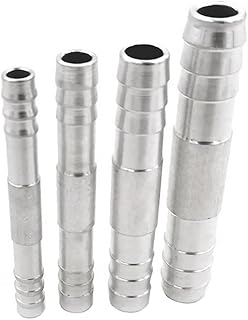
The best air conditioning fittings for your project depend on whether you are performing routine automotive service, building custom lines, or repairing residential HVAC tubing. If you need a dependable entry point for R134a car AC work, a top-rated quick coupler set with adjustable high- and low-pressure connectors offers the broadest immediate utility. For shops transitioning to newer refrigerants, dedicated R1234yf couplers are essential. Technicians who want an all-in-one solution should look at comprehensive adapter kits that bundle can taps, tank adapters, and valve core removers. Homeowners and HVAC contractors extending copper lines will benefit from traditional flared coupling adapters that create permanent, leak-free joints. Finally, if you are repairing a damaged hose rather than replacing it, barb splice fittings restore function quickly. Choose the product whose material, angle, and seal type align with your system specifications, and prioritize listings with strong review volume that confirms real-world durability.