Buying Guide
Choosing among the best airtight bento boxes starts with understanding how you actually eat during the week. Some people need a single elegant container for a daily desk lunch, while others want a full stack of uniform boxes to prep five days of meals at once. Airtight performance, material type, compartment layout, and cleanup demands all play a role in which model will feel effortless rather than frustrating.
Sizing and Capacity
Before comparing features, match the container size to your typical meal. A 30- to 32-ounce bento box works well for most adult lunches that include a protein, a grain, and vegetables. If you prefer lighter meals or snacks, smaller 5- to 10-ounce compartments within a larger set may be more useful than one giant bowl. For heartier appetites or family-style prep, look toward sets that include larger 5-cup or 36-ounce pieces.
If you meal prep in bulk, a multi-pack set keeps portions consistent and removes the daily guesswork. A single high-quality box, on the other hand, takes up less cabinet space and is easier to clean immediately after use. Think about whether you want one trusted workhorse or a fleet of matching containers.
Glass bento boxes dominate airtight performance because they do not absorb odors or stains, and they tolerate oven reheating without warping. Tempered or borosilicate glass options can move from freezer to microwave, though you should always vent the lid per manufacturer guidance. The tradeoff is weight; glass is heavier in a commuter bag and can break if dropped on hard surfaces.
BPA-free plastic sets are lighter, often more affordable, and less likely to shatter in a backpack. High-quality plastic models with silicone gaskets and locking clips can still deliver a reliable airtight seal, but they may retain strong smells from garlic or curry over time. Look for versions that specify freezer, microwave, and dishwasher safety so you are not limited by temperature restrictions.
Stainless steel bento boxes offer excellent durability and a clean aesthetic, yet they are rarely microwave safe. If you never reheat meals at work, metal can be a sleek, eco-friendly choice. For the widest versatility, glass or premium plastic tends to suit more lifestyles.
Seal Quality and Leak Protection
A true airtight bento box should have more than a simple press-on lid. Look for silicone or rubber gaskets that sit in a groove around the rim, plus locking clips or latches that apply even pressure on all sides. Products that explicitly mention airtight or leak-proof in their titles usually include these elements, while generic “bento box” labels may only offer a snug fit rather than a genuine seal.
If you plan to pack dressings, yogurts, or soups, leak-proof locking lids are essential. Some models include separate inner lids or sauce jars that add a second layer of protection. When reading reviews, focus on long-term feedback about whether the seal remains tight after six months of dishwasher cycles; gaskets can compress or warp over time.
Compartment Layout and Flexibility
Fixed compartments keep foods physically separated, which is ideal if you dislike sauces touching grains. Common layouts include two- or three-compartment trays. Some bento boxes use removable dividers, letting you reconfigure the space for a large salad one day and a snack plate the next.
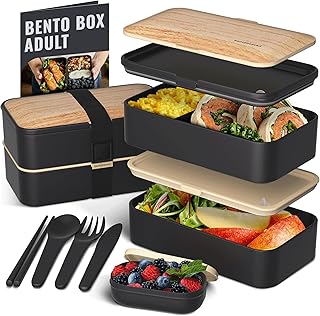
Consider whether you need room for utensils. Several ranked options include built-in slots for forks, spoons, or chopsticks, plus small dressing containers. These extras reduce the chance of forgetting cutlery and help control condiment portions. If you prefer minimalism, a simple divided tray without accessories may be easier to clean and store.
Setup and Daily Use
Most airtight bento boxes require no assembly beyond fitting the gasket into the lid, but it is worth checking how intuitive the latches are. One-handed opening is convenient if you eat at a desk, while child-friendly clasps matter if the box goes to school. Stackable designs with flat lids make it easier to pack multiple containers vertically in an insulated bag.
If you move meals between freezer, fridge, and microwave, verify temperature limits. Glass generally handles the widest range, but even glass lids with plastic locking mechanisms may have lower heat thresholds. Removing the lid before microwaving is a common requirement to preserve the seal and prevent warping.
Maintenance and Longevity
Dishwasher-safe components save time, but the top rack is usually safest for lids and gaskets. Hand washing silicone seals with mild soap can extend their lifespan and prevent odor buildup. For glass containers, check that the rim remains chip-free; even small nicks can compromise the airtight seal.
Staining is more common in plastic, especially with tomato-based sauces or turmeric. If you choose plastic, rotating between containers and avoiding prolonged contact with oily foods can help. Replacing gaskets is rarely possible on budget models, so investing in a design with durable, replaceable parts can pay off over years of use.
How to Compare Reviews
When evaluating the best airtight bento boxes through user feedback, prioritize comments that mention seal performance after extended use. A high average rating is a good signal, but the substance of three- and four-star reviews often reveals whether leaks develop after a few weeks or if latches snap under pressure. Look for patterns around lid fit, gasket durability, and whether the container truly survives daily commuting without spills.
Review volume matters too. A product with thousands of ratings and a 4.5-plus average has usually survived broad real-world testing. Newer listings with fewer reviews can still be excellent, but they carry less predictive data. Cross-reference the star distribution: a tight cluster around four and five stars is more reassuring than a scattered range with many one-star complaints about the same defect.
Final Recommendation
If you want a comprehensive solution for weekly meal prep, a large glass set with locking lids offers the best combination of airtight reliability and versatility. For commuters who need one lightweight container, a premium plastic two-pack with an explicit airtight seal balances portability and leak protection. Glass multi-compartment boxes suit anyone who reheats meals at work and wants to avoid flavor carryover, while traditional Japanese-style bentos work well for those who value portion aesthetics and included utensils.
Match the container to your reheating habits, your bag space, and how many days you prep in advance. The best airtight bento box is the one that seals confidently every time, fits your meal size, and stays clean with minimal effort.