Buying Guide
Choosing the best allspice comes down to how you cook, how often you reach for the jar, and whether you prefer the convenience of pre-ground powder or the longevity of whole berries. Allspice earns its name from a flavor reminiscent of cinnamon, nutmeg, and clove, but not every jar delivers the same potency. This guide walks through capacity, format tradeoffs, storage, and how to read reviews so you can buy with confidence.
Ground vs. Whole Berries
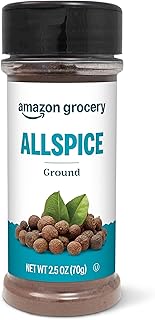
The first decision is format. Ground allspice blends quickly into batters, dry rubs, and sauces, saving you the step of grinding. It is the practical choice for bakers who need uniform texture and for weeknight dinners where speed matters. However, pre-ground spice loses potency faster because the volatile oils oxidize once the berry is cracked.
Whole allspice berries hold their aroma longer. You can drop them into brines, mulled cider, or rice pilaf and fish them out before serving, or grind them fresh in a spice mill or mortar when you need powder. If you use allspice only occasionally, whole berries often stay fragrant for months longer than an open jar of ground spice. Cooks who make jerk seasoning from scratch, pickle vegetables, or brew spiced teas usually favor the whole format for its versatility.
Sizing and Capacity
Allspice is sold in containers ranging from under an ounce to well over a pound. A small jar of ground allspice is perfect if you bake a few times a month or want to test the spice in new recipes without committing to bulk storage. On the other hand, a large resealable bag of whole berries suits households that cook Caribbean, Middle Eastern, or Mexican cuisine regularly, or home preservers who put up jars of pickled goods each season.
Before you choose a size, audit your current spice rotation. If you already struggle to finish jars within a year, a smaller container is the smarter buy. If you cook in volume or split spices among multiple family members, larger bags reduce the frequency of reorders and often come with packaging designed for repeated opening and closing.
Feature Tradeoffs
Organic certification is a common differentiator. Organic allspice is grown without certain synthetic pesticides and can appeal to shoppers building a clean-label pantry. The flavor profile is generally comparable to conventional allspice, but the certification adds a layer of traceability that some cooks prioritize.
Resealable packaging is another feature worth weighing. Whole berries in a zip-top or heat-sealed bag tend to maintain freshness better than a simple paper pouch, especially in humid climates. Ground allspice in a glass jar with a tight lid also protects against moisture and light. If your kitchen lacks a dark, cool spice drawer, packaging quality should move higher on your checklist.
Some listings include subscription offers. These are useful if you have predictable usage and want to avoid running out during holiday baking season. Just make sure your consumption rate matches the delivery interval so you are not storing ground spice past its prime.
Storage and Maintenance
Allspice does not require refrigeration, but it does demand respect for heat, light, and air. Store jars and bags in a cool, dark cupboard away from the stove. Whole berries can remain potent for up to two years when sealed properly. Ground allspice is best used within six to twelve months for peak flavor.
If you buy whole berries, inspect them occasionally for mold if your kitchen is humid. A quick visual check and a sniff test before grinding will tell you if the oils are still vibrant. For ground allspice, clumping is a sign of moisture exposure. If the powder smells faint or dusty instead of warm and peppery, it is time to replace it.
Reliability Signals
When comparing listings, look beyond the star average. A 4.8-star product with several thousand reviews and steady monthly purchases usually indicates consistent batch quality and reliable supply chain fulfillment. A similarly rated product with only a handful of reviews may be excellent, but the sample size is too small to confirm long-term reliability.
Recent purchase velocity matters because spices are perishable in flavor, not just in safety. High turnover suggests the stock is fresher. Reviews that mention color, aroma upon opening, and flavor strength in finished dishes are more useful than generic praise. Pay attention to negative feedback about faded scent, excessive stems in whole berry bags, or packaging failures. Those details reveal quality control issues that star averages can hide.
How to Compare Reviews
Start by filtering for reviews that mention your intended use. A home baker will care about how the ground spice disperses in cake batter, while a pickler wants to know if the whole berries hold up in brine without disintegrating. Look for photos of the product upon arrival; they often show true color and particle size better than marketing images.
Cross-reference the most recent month of feedback with older reviews. If a product suddenly accumulates complaints about weaker aroma, the supplier may have changed sources or harvest years. Consistent praise across six months or more is a healthier signal than a brief spike of perfect ratings.
Final Recommendation
If you need an everyday ground allspice for cookies, stews, and dry rubs, prioritize a mid-size jar with a high review count and strong recent sales. The turnover ensures freshness, and the moderate size keeps the spice potent before you finish it.
For cooks who prefer grinding spices fresh or who brine and pickle regularly, whole berries in a resealable bag are the better investment. Choose a capacity that matches your usage rate, and look for listings with reliable packaging and a track record of positive aroma feedback.
Those building an organic pantry should seek certified organic ground or whole options, accepting that the container may be smaller. Finally, if you cook in large batches or share spices with a household of enthusiastic cooks, bulk ground containers or large bags of whole berries offer the convenience of fewer reorders without sacrificing the warm, complex flavor that defines the best allspice.