Buying Guide
The best alternative family fiction books for teens and young adults give readers a window into family models beyond the traditional two-parent household, including foster care, adoption, blended families, inherited households, and chosen friend networks. The books in this guide were compared using public listing specifications, so the focus stays on documented family-structure coverage, age fit, narrative scope, emotional themes, readability, physical format, and series value rather than hands-on testing.
Identifying the Right Family Structure
Start by deciding which kind of alternative family a reader wants to explore. Far from the Tree and Orbiting Jupiter both place foster or adopted siblings at the center, but they do so with very different structures. Far from the Tree compares three siblings raised in different households, while Orbiting Jupiter follows one teen joining a single foster family in a rural setting. If the goal is to see how different upbringings shape identity, Far from the Tree is the broader match. If the goal is a compact, single-household foster story, Orbiting Jupiter is the tighter fit.
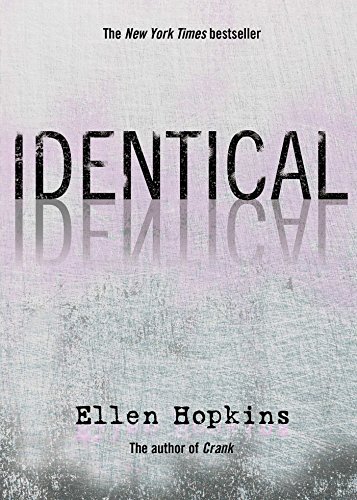
Identical and The Last to Let Go take a different angle by exploring what happens inside one household when family members keep secrets. Identical focuses on identical twins discovering a concealed paternal history, while The Last to Let Go follows a blended family adjusting to a parent’s release from prison. Both rely on long print builds, so readers should plan for a heavier spine and a longer time commitment.
Considering Conflict and Displacement
For readers interested in family bonds under external pressure, As Long as the Lemon Trees Grow documents family separation driven by the Syrian conflict. The book carries a 2024 release date and a 1.3 inch spine, which signals a longer narrative arc. Readers should match the format weight to the time they have available, since a longer build can change the pacing profile compared with the slimmer entries on this list.
Stepfamilies, Inheritance, and Chosen Families
Tell Me Three Things and The Inheritance Games both place a teen inside a newly formed family unit. Tell Me Three Things uses a stepfamily setup after a parent’s remarriage, while The Inheritance Games moves the teen into a stranger’s household through an inheritance plot. The Inheritance Games also opens a connected series, so readers who want a longer reading arc across volumes can treat it as a starting point rather than a one-off read.
What I Carry narrows the family-structure focus to a teen preparing to age out of foster care, giving the list a life-stage perspective. Real, Not Perfect shifts the family definition to a chosen friend group, positioning friendship as a support network in place of a traditional household. Together, these two entries show that alternative family fiction can focus on independence, on peer bonds, or on both.
Physical format matters when the reader is carrying the book to school or reading in short sessions. Orbiting Jupiter is the lightest print entry on the list at 0.49 inch spine and 0.36 pound listed weight, while Identical is the longest at 1.8 inch spine and 0.85 pound weight.
Balancing Standalones and Series
Some readers prefer a complete story in a single volume, while others want an open arc that continues into later books. Far from the Tree, Orbiting Jupiter, Identical, The Last to Let Go, Tell Me Three Things, and What I Carry all read as standalones with self-contained resolutions. Real, Not Perfect sits inside the Riverbend Friends series, offering continued engagement with the same chosen-family friend group.
Aligning Themes With Reader Readiness
Several of these books cover heavy material, including incarceration, abuse, displacement, and grief. Readers and the adults helping them select a book should weigh the emotional load against the reader’s readiness. Titles such as Far from the Tree and As Long as the Lemon Trees Grow carry broad identity and displacement themes, while Orbiting Jupiter and Identical deliver their heaviest content inside a single household. Pairing the family-structure angle with the emotional themes can help narrow the list further.
Final recommendation
Far from the Tree ranks first overall in this specification-based comparison under the published weighted criteria.
Far from the Tree is the first overall specification-based choice in this guide to the best alternative family fiction books for teens and young adults, because its three-sibling premise covers the widest range of alternative family structures in a single title. The 2019 HarperCollins paperback, the 5.31 by 8 inch trim, and the standalone format make it a flexible pick for YA collections, and the broad identity focus suits readers who want a single book that spans adopted, foster, and biological family models. For readers building a longer reading arc, The Inheritance Games and Family of Liars extend the alternative-family theme across a connected fictional world, while Real, Not Perfect and What I Carry offer more focused explorations of chosen families and aging out of care. Together, these entries form a strong core list of top alternative family fiction books for teens and young adults in the US for 2026.
Frequently Asked Questions
What counts as alternative family fiction for teens?
Alternative family fiction for teens centers households that differ from the traditional two-parent model, including foster families, adoptive families, blended families, inherited or non-biological households, and chosen friend networks. Titles such as Far from the Tree, Orbiting Jupiter, and Real, Not Perfect each illustrate a different version of that definition.
Which of the best alternative family fiction books for teens and young adults works for reluctant readers?
Readers who want a shorter page count and lighter physical format can start with Orbiting Jupiter, which has the slimmest spine and the lowest listed weight of the print entries in this guide. What I Carry is another accessible choice because it focuses on a single life-stage arc without requiring prior reading.
Are any of these books part of a series?
Yes. The Inheritance Games opens a connected series, Family of Liars functions as a prequel to We Were Liars, and Real, Not Perfect sits inside the Riverbend Friends series. The other entries on the list are standalones and can be read without a companion volume.
How do I pick between a print edition and a Kindle edition?
Print editions such as Far from the Tree, Identical, and As Long as the Lemon Trees Give a fixed page count and a documented physical format, which can help with classroom or library planning.
Which book covers the most family structures in one story?
Far from the Tree covers the widest range of family structures in a single novel because it places three siblings raised in adopted, foster, and biological households in the same story. Readers who want a single title that surveys multiple alternative family models can use it as a starting point before moving to more focused entries such as Orbiting Jupiter or The Last to Let Go.