Buying Guide
Choosing among the best altimeters starts with understanding how you plan to use the device. A backpacker navigating high-altitude passes has different priorities than a model rocket enthusiast or a driver crossing mountain ranges. This guide breaks down the practical factors that separate a reliable instrument from one that will sit unused in a drawer.
Altimeters come in several shapes, and the right size depends on access and portability. Pocket-sized analog units with lanyards hang from a neck or pack strap for instant reference during hikes. Dashboard-mounted models stay fixed in a vehicle, offering continuous elevation readouts without occupying your hands. Wearable altimeters integrate into watches, keeping altitude on your wrist alongside time and compass data. Handheld digital units often pack multiple sensors into a palm-sized chassis that stows in a jacket pocket.
Capacity matters just as much as size. Most mechanical altimeters top out near 15,000 feet, which covers the majority of recreational hiking and driving in North America. If you plan to climb higher peaks or operate in aviation environments, confirm that the unit’s rated range exceeds your expected maximum elevation. Digital multifunction devices sometimes advertise wider ranges, but accuracy at the extremes depends on calibration quality and barometric stability.
Analog vs. Digital: Feature Tradeoffs
Analog altimeters use sealed bellows and mechanical linkages to translate atmospheric pressure into altitude. They never need batteries, tolerate cold temperatures well, and provide immediate visual feedback through a sweeping needle. The tradeoff is that they require periodic calibration at a known elevation and typically offer fewer extra functions.
Digital altimeters rely on electronic pressure sensors and LCD displays. They can layer in compass headings, temperature, weather forecasts, timers, and backlights. However, they depend on batteries, and screen readability can suffer in bright sun or extreme cold. When comparing the two formats, think about whether you value unlimited runtime and simplicity or extra data streams and nighttime visibility.
Setup and Calibration
Every pressure-based altimeter assumes a baseline barometric pressure. Because weather systems constantly shift that baseline, accurate readings require calibration. Analog units usually have a small set screw or rotating bezel that you adjust at a trailhead with a known elevation. Digital models often allow input through button menus.
Some advanced units intended for rocketry or aviation come pre-calibrated or self-calibrate against a reference, but most consumer hiking altimeters need a manual reset at the start of each trip. If you move between radically different elevations in a single day—driving from sea level to a mountain pass, for example—expect to recalibrate at the high point for the most accurate tracking.
Maintenance and Reliability Signals
Mechanical altimeters need little beyond occasional calibration and protection from hard impacts that can knock the bellows out of alignment. Keep the face clean and avoid submerging non-waterproof cases in streams. Leather cases should be conditioned if they dry out after extended sun exposure.
Digital units demand battery management. Carry spare cells on multi-day trips, and check whether the battery compartment is easy to open with gloved hands. Look for rubber gaskets or O-rings that protect the sensor chamber from moisture, because even slight corrosion can drift a pressure sensor over time.
Reliability signals in reviews often mention consistent calibration hold, durable lanyard attachments, and readable displays after months of ownership. Be cautious of units where multiple reviewers report sudden altitude jumps, fogged screens, or broken battery covers. Those patterns suggest design weaknesses rather than isolated defects.
How to Compare Reviews
When reading feedback, focus on the use case that matches yours. A rocketry altimeter praised for flight logging may be irrelevant if you need a hiking barometer. Conversely, a dashboard altimeter beloved by overland drivers will not help a backpacker counting ounces.
Pay attention to review volume relative to rating. A product with several hundred reviews and a solid average usually indicates broad real-world testing. A perfect rating based on only a handful of reviews is less predictive. Also note whether recent reviews mention changes in manufacturing quality or customer support responsiveness, as those trends matter more than feedback from several years ago.
Final Recommendation
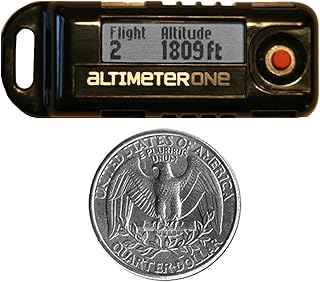
If you want a proven, battery-free instrument for general outdoor use, the analog Sun Company models offer excellent mechanical reliability and intuitive weather-trend indicators. For specialized applications like model rocketry, a dedicated logging altimeter provides the precision and repeatability that hobbyists need. Drivers who simply want to watch elevation change during road trips should consider a dashboard-mounted unit that stays visible without handling. If you prefer all-in-one convenience and do not mind carrying spare batteries, a multifunction digital device or an altimeter watch delivers compass, temperature, and barometric data in a single package. Match the form factor to your activity, verify that the altitude range covers your destinations, and prioritize units with consistent calibration feedback from long-term owners.