Buying Guide
ADA nutrition books come in several formats, from comprehensive desk references to pocket-sized guides you can carry to the supermarket. A full-size cookbook or nutrition therapy manual offers depth, photos, and extensive meal plans, but it stays at home. Pocket guides trade depth for convenience, giving you quick exchange lists and portion reminders while dining out. If you travel frequently or shop for groceries daily, a portable companion makes adherence easier. Home cooks who batch-plan meals on weekends usually benefit more from a full-size planner or cookbook that stays open on the kitchen counter.
Carb Counting vs. Food Exchanges vs. Meal Planning
The best american diabetes association nutrition books typically follow one of three frameworks. Carb-counting guides teach you to measure carbohydrates precisely and match them to medication or activity levels. They suit readers who prefer flexibility and enjoy calculating macros. Food-exchange books group similar foods into categories—starches, proteins, fats, fruits—so you can swap items within a group while keeping nutritional totals stable. This system works well for people who want structure without weighing every gram. Meal planners provide pre-built menus for weeks or months, removing daily decision fatigue but offering less spontaneity. Many readers find success by starting with a structured planner and graduating to exchange lists or carb counting as they learn their personal glucose patterns.
Nutrition science evolves, and the ADA periodically updates its guidelines. When choosing a guide, check whether the edition reflects current consensus on carbohydrate quality, sodium limits, and heart-healthy fats. Older editions often contain solid foundational principles, but newer releases may include updated portion sizes, revised exchange values, and modern recipe ingredients. If you are working with a registered dietitian or diabetes educator, ask which edition aligns with their current curriculum so your home reference matches their advice.
Author Credentials and Reliability Signals
Books published directly by the American Diabetes Association carry the authority of a national organization focused on diabetes care. Look for titles authored or reviewed by registered dietitians, certified diabetes educators, or endocrinology specialists. Reliability also shows up in reader reviews: consistent praise for clarity, accuracy of nutrition data, and recipe taste suggests a trustworthy resource. Be cautious of titles with generic advice that could apply to any diet; the most useful books specify how their guidance interacts with blood-sugar management, medication timing, and hypoglycemia prevention.
How to Compare Reader Reviews
Review volume matters, but so does context. A book with thousands of reviews and a high average rating usually indicates broad usability. Read recent reviews to see whether readers mention success with real-world meal prep, accurate nutrition tables, or durable binding. Negative reviews often reveal whether a book is too clinical for beginners or too simplistic for advanced users. If you follow a vegetarian, low-sodium, or heart-healthy diet, filter for reviews from readers with similar health goals to gauge how well the book adapts to your needs.
Integrating a Book Into Your Routine
Setup is straightforward, but consistency determines results. Keep your primary reference in the kitchen or bag you carry to restaurants. Photocopy or bookmark the exchange lists or carb-counting tables you use most often. If you use a meal planner, dedicate time each Sunday to review the upcoming week’s menus, build your shopping list, and prep ingredients. Pairing the book with a glucose log or app helps you correlate the nutrition advice with your actual blood-sugar readings, turning static pages into a personalized management system.
Maintenance and Long-Term Use
Physical books require little maintenance beyond protecting them from spills in the kitchen. Over time, you may find that pages referencing your most-used foods become worn—an informal signal that the book is earning its place in your routine. As your health goals shift, you might outgrow a basic starter guide and need a deeper clinical reference. There is no single lifetime book; many readers maintain a library that includes a pocket guide for travel, a cookbook for home, and a therapy manual for questions that arise during medical appointments.
Final Recommendation: Choosing Among the Ranked Products
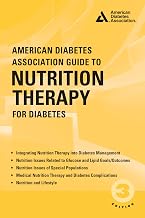
If you want one versatile starting point, the top-ranked food-lists guide offers the best balance of portability, reader trust, and everyday utility. Readers who struggle with carbohydrate math should prioritize the dedicated carb-counting handbook, which breaks down measurement and dosing into manageable steps. Those managing both diabetes and cardiovascular risk will get the most value from the dual-purpose heart-healthy cookbook. If your primary goal is weight loss alongside glucose control, the weight-management food lists provide portion frameworks without overwhelming detail. Finally, anyone seeking clinical depth beyond meal plans should select the nutrition therapy reference, which reads more like a professional manual and answers complex questions about macronutrients, comorbidities, and therapeutic diets.