Buying Guide
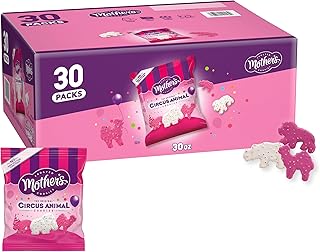
Animal crackers arrive in more formats than the classic cardboard circus box. You will find single-serve pouches, resealable bulk bags, rigid tubs, and multi-box cases. The right sizing depends on who is eating them and where. Individually wrapped one-ounce packs are hard to beat for school lunches, road trips, and office desk drawers because they protect freshness and remove the temptation of an open bag. If you are stocking a pantry for a large family or planning a party, a multi-pound bag or bulk tub cuts down on packaging waste and restocking trips. Keep in mind that large bags still need an airtight seal once opened; transferring portions into a dedicated container often preserves the snap better than the original packaging alone.
Classic Crackers vs. Frosted and Iced Varieties
The category splits roughly into two camps. Traditional animal crackers are plain, lightly sweetened biscuits baked into circus-animal shapes. They tend to be crisp, dry, and versatile enough to pair with coffee, milk, or cheese boards. Frosted circus animal cookies add a layer of vanilla icing and rainbow sprinkles, delivering a dessert-like experience that many children prefer. The tradeoff is mess and sugar content. Frosted versions can leave residue on small fingers and car seats, and they usually demand a beverage nearby. If you want a nostalgic treat that leans snack rather than candy, the classic cracker is the safer default. If the goal is a lunchbox dessert or party favor, frosted cookies offer more excitement.
Ingredient Quality and Dietary Considerations
Not every animal cracker is built from the same flour and sweetener. Conventional options typically use enriched wheat flour, sugar, and a modest amount of leavening. Organic alternatives swap in certified organic wheat and cane sugar, which appeals to households prioritizing pesticide reduction and clean-label eating. Beyond organic, there are now gluten-free, keto-aligned, and sugar-free formulations that rely on alternative fibers and sweeteners to keep the crunch. These specialty versions often carry a slightly different texture—sometimes denser or more fragile—so it is worth reading recent reviews for comments on breakage and mouthfeel. Nut-free manufacturing is another detail to verify if the snacks are headed to a classroom with allergy policies.
Brand Reputation and Freshness Signals
Longstanding names like Barnum’s and Stauffer’s have been producing animal crackers for decades, and that history usually translates into consistent recipes and predictable quality control. Newer entrants and specialty bakeries can also perform well, but a large review base spanning multiple years is a reliable signal that a product ships fresh and tastes the same from batch to batch. When you scan reviews, look for repeated mentions of staleness, broken pieces, or off smells. A few damaged-package complaints are normal in any food category, but a persistent pattern over the last six months should raise a flag. Recent purchase velocity—how many shoppers bought the item in the past month—can also hint at fast turnover, which generally means the inventory sitting in fulfillment centers is fresher.
Storage, Setup, and Serving Considerations
Animal crackers are shelf-stable, but they are not indestructible. Heat and humidity are the main enemies; frosted cookies in particular can melt or stick together if left in a sunny pantry or a hot car. Once you open a large bag, fold the seal tightly or decant the crackers into a glass or plastic container with a locking lid. If you buy a variety pack that mixes animal crackers with softer cookies like teddy grahams, be aware that moisture can migrate between products and soften the crunchier items. For households with young children, consider keeping a small basket of single-serve pouches at kid height so they can grab their own snack without tearing open a family-size bag.
How to Compare Reviews Effectively
Star averages only tell part of the story. Dig into the written reviews for context on what shoppers actually value. A four-and-a-half-star product with thousands of reviews often reflects real-world durability better than a five-star item with a handful of ratings. Filter for the most recent feedback first, since food quality can drift with seasonal demand and supply-chain changes. Pay attention to whether negative reviews focus on shipping damage, which is usually a carrier issue, versus taste changes or stale product, which is a manufacturer concern. If you see repeated praise for crunch retention, accurate portion sizes, or child approval, those themes are likely trustworthy. Conversely, if complaints cluster around broken cookies in frosted varieties, decide whether you can tolerate cosmetic damage or if you need a sturdier cracker.
Final Recommendation: Matching the Right Product to Your Needs
If you want the safest all-around choice, prioritize a frosted circus cookie or classic cracker with a high review count and strong recent sales. These products have proven they can survive the warehouse-to-doorstep journey while keeping their texture intact. For parents focused on organic ingredients or allergen-friendly facilities, the certified organic and clean-label options are worth the narrower selection. Large families, event planners, and anyone running a small business break room should look toward bulk formats that trade individual convenience for long-term stocking power. Finally, if dietary restrictions matter, the sugar-free and gluten-free alternatives deliver recognizable animal shapes without the conventional carbohydrate load. Start with the top-ranked overall pick, then filter down by packaging size, ingredient philosophy, and whether you prefer a plain crunch or a frosted finish.