Buying Guide
Choosing among the best antitheft remote starters means balancing security features, installation effort, vehicle compatibility, and day-to-day usability. The right system for a daily driver in a mild climate may differ from what you need for a work truck parked at remote job sites. Use the sections below to narrow your choices.
Vehicle Fitment and Model-Specific Kits
Before comparing features, confirm whether your vehicle needs a universal system or a model-specific kit. Many modern trucks and SUVs—especially certain Ford, Toyota, and Chevrolet models—have plug-and-play remote start kits that connect to existing harnesses behind the dash. These vehicle-specific options usually require no wire splicing, which reduces installation time and avoids the risk of interfering with factory electronics. If you drive a less common model or want to add a full alarm layer, a universal bundle from a brand like Viper or Compustar is usually the better path. Always check the supported model years, ignition type, and whether the kit works with push-to-start or traditional keyed ignitions.
Security Layers and Antitheft Protection
Not every remote start system includes antitheft protection. A basic remote start module only starts the engine from a distance; it does not necessarily immobilize the vehicle or trigger a siren if a door is forced open. If the main keyword driving your search is antitheft remote starters, look for products that explicitly bundle an alarm brain, shock sensor, or immobilizer interface. Two-way systems add another layer of security by confirming on the remote that the doors locked and the alarm armed. Some advanced kits also support smartphone integration, letting you receive alerts if the alarm triggers while you are away from the vehicle.
One-Way vs. Two-Way Communication
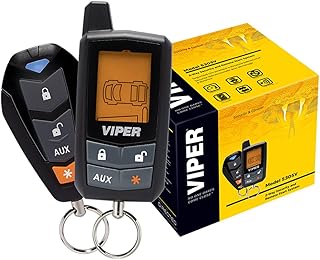
One-way systems send a command from your remote to the vehicle, but you receive no confirmation that the engine actually started or the doors locked. They current Amazon listing detail less and work well if you can see the vehicle from your window. Two-way systems, often equipped with an LCD screen or LED indicators, send a confirmation signal back to the remote. This feedback is valuable for antitheft remote starters because it tells you whether the alarm successfully armed or if a trigger occurred. If you park in large lots, underground garages, or anywhere visibility is limited, a two-way system is worth the upgrade.
Manufacturers list maximum ranges such as 1,500 feet or 3,000 feet, but real-world performance depends on walls, weather, and radio interference. For suburban homes with the vehicle parked in a driveway, a mid-range system is usually sufficient. For apartment buildings, dense office complexes, or rural properties, prioritize a higher-wattage radio or a system with smartphone app integration that bypasses radio range limits entirely. Remember that two-way range is often shorter than one-way range because the return signal must travel from the vehicle back to you.
Installation and Setup Considerations
Installation complexity is one of the biggest differentiators among antitheft remote starters. Plug-and-play kits designed for specific makes and models can often be installed in under an hour with basic hand tools. Universal alarm-and-start bundles typically require connecting power, ground, starter, ignition, door trigger, and parking-light wires. Some also need a bypass module for chipped keys or push-to-start vehicles. If you are not comfortable working with automotive electrical systems, budget for professional installation. A poorly installed remote start system can drain the battery, trigger false alarms, or leave the vehicle vulnerable to theft.
Keyless Entry and OEM Fob Integration
Some systems replace your factory key fob entirely, while others let you keep the OEM remote and add a simple lock-button sequence to start the engine. OEM fob integration is convenient because you do not need to carry a second remote, but it usually offers shorter range and no two-way feedback. Aftermarket remotes with dedicated buttons for lock, unlock, trunk, and panic provide more control and often support auxiliary outputs for trunk release or window control. Think about how many devices you already carry and whether adding another fob or smartphone app fits your daily routine.
Maintenance and Reliability Signals
Remote start and alarm systems are generally low maintenance, but a few habits will keep them reliable. Check the remote battery level every six months, especially on two-way LCD remotes that consume more power. If the system begins to suffer from reduced range, clean the remote contacts and inspect the vehicle antenna for corrosion or looseness. In cold climates, make sure the system is programmed to respect engine temperature and runtime limits so you do not overwork the starter or waste fuel. Reading through recent reviews can reveal whether a particular model suffers from premature remote failure, false alarm triggers, or compatibility issues with certain vehicle trims.
How to Compare Reviews Effectively
When evaluating antitheft remote starters, focus on reviews from owners who share your vehicle model and use case. A five-star review from a sedan owner may not apply to a truck that requires a different bypass module. Look for patterns in negative feedback: repeated mentions of confusing instructions, defective remotes, or failed door-lock integration are red flags. Pay attention to reviews that mention long-term ownership, as some issues with range or battery drain do not appear until after several months of use. A product with a slightly lower average rating but hundreds of detailed, vehicle-specific reviews is often a safer bet than a newer listing with a perfect score from only a handful of buyers.
Making the Final Choice
If you want a fully integrated alarm and remote start with proven reliability, the Viper and Compustar bundles at the top of this list offer the strongest combination of security features and owner feedback. For drivers who prioritize factory-style simplicity and a quick DIY install, a vehicle-specific plug-and-play kit from Start-X is the smarter route, provided your exact model and ignition type are supported. Budget-conscious buyers who still want alarm protection should consider the multifunction three-in-one kits that bundle keyless entry, remote start, and push-to-start hardware. Finally, if range and modern connectivity matter most, look for a two-way system with smartphone expansion so you can monitor and control the vehicle from virtually anywhere. Match the product to your vehicle, your comfort with installation, and the level of security you need, and you will end up with a system that earns its place on your keychain every day.