Buying Guide
Choosing among the best applicator tools means matching the tool’s shape, material, and capacity to the substance you are spreading and the surface you are treating. A tool that works beautifully for clay masks may be useless for automotive body filler, while a wax pad that glides over paint can absorb too much expensive woodworking glue. Before you add anything to your kit, consider the following practical factors.
Sizing and Capacity
Applicator tools come in dimensions that directly affect coverage speed and precision. Large spreaders and squeegees, often four to six inches wide, move product across broad panels quickly, making them ideal for automotive fillers, vinyl wraps, and wallpaper smoothing. Smaller tools, such as micro glue brushes or lash tweezers, concentrate material exactly where it is needed. When you evaluate sizing, think about the tradeoff between coverage area and control. If you frequently work on detailed projects, a compact or precision-tip applicator will reduce waste and cleanup. For large, flat surfaces, a wider blade or bigger pad shortens working time and helps maintain an even film thickness.
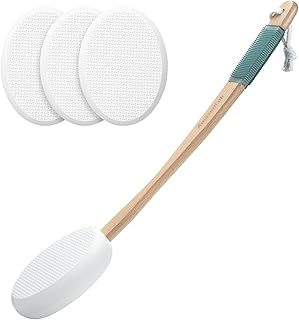
Capacity also matters for tools that hold product internally. Scalp serum combs and back lotion handles with replacement pads let you load a measured dose and spread it without constant re-dipping. Check whether the tool includes enough pads, tips, or refills for your typical usage cycle. Some kits bundle multiple sizes in one package, which can be more economical than buying single-purpose tools later.
Feature Tradeoffs
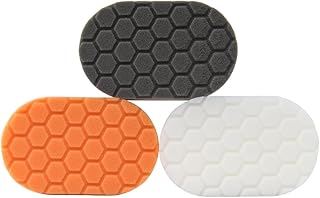
Material choice is one of the biggest divides among applicator tools. Silicone brushes and tips resist sticking, rinse clean, and tolerate skincare acids or woodworking glues equally well. Foam and microfiber pads, common in car detailing, absorb excess product and release it gradually, but they can harbor residue if not washed thoroughly. Plastic spreaders are cheap, rigid, and solvent resistant, yet they may flex too much on curved panels or leave streaks if the edge quality is poor. Felt-edge squeegees add a soft buffer that protects delicate films, but the felt wears down and must be replaced to avoid scratching.
Another tradeoff is disposable versus reusable. Disposable lip wands and single-use spreaders guarantee sterility and zero cleanup, which matters in professional beauty or collision shops. Reusable silicone tools current Amazon listing detail more upfront but pay for themselves quickly if you apply masks, glazes, or dressings regularly. Look at how easy the tool is to clean. Tools with seamless, non-porous surfaces dry faster and resist bacterial growth better than porous foam or fabric alternatives.
Installation and Setup Considerations
Most applicator tools are ready to use out of the package, but a few require minor assembly or pairing with a compatible product. Back lotion applicators may need pads attached before the first use. Scalp treatment combs sometimes ship empty and must be filled with your chosen serum. Vinyl wrap squeegees often work best when you attach fresh felt strips to the edge before each job. Read the listing carefully to see whether consumables are included or sold separately. If you are buying into a system, confirm that replacement pads, felt strips, or brush heads are available inexpensively and in reasonable quantities.
Ergonomics also fall under setup. A curved handle, a finger pocket on a foam pad, or a tapered grip on a glue brush can reduce hand fatigue during long sessions. If you have limited grip strength or arthritis, tools with longer handles or lightweight bodies are easier to maneuver. For automotive work, choose spreaders that feel balanced in the hand even when loaded with heavy filler.
Maintenance and Longevity
To get the longest life from your applicator tools, clean them immediately after use according to the material type. Silicone and plastic tools generally tolerate soap and water, and many can be sanitized with alcohol wipes. Microfiber and foam pads should be rinsed until the water runs clear, then air dried fully to prevent mildew. Felt edges on squeegees should be inspected before each use; frayed or hardened felt can scratch paint or film, so replace it promptly.
Storage conditions affect longevity too. Keep foam pads in a breathable container away from direct sunlight, which can degrade the foam and backing adhesive. Store metal-tipped precision tools in a dry place to prevent corrosion. If a tool comes with replacement tips or pads, keep spares organized so you are not tempted to reuse a worn applicator past its effective life.
Reliability Signals and How to Compare Reviews
When you cannot test a tool in person, rely on aggregate user feedback rather than a single headline rating. A high average score combined with a large review volume usually indicates consistent manufacturing quality and honest listings. However, dig into the written reviews for context. Look for recurring themes about durability, ease of cleaning, and whether the tool actually fits the product it claims to match. For example, a mask applicator praised by skincare enthusiasts may be too soft for thick clay formulas, while a body filler spreader loved by DIYers might be too flexible for professional-grade epoxy.
Pay attention to recent purchase velocity. Tools with strong monthly sales often reflect current market confidence and up-to-date stock. If a product has thousands of older reviews but very few recent ones, the manufacturer may have changed materials or the item may be declining in availability. Conversely, a newer tool with a smaller but rapidly growing review base can signal an emerging favorite worth watching.
Final Recommendation
If you need one versatile tool for beauty and skincare, a reusable silicone applicator brush offers the easiest cleanup and the broadest compatibility with creams, masks, and serums. For automotive and home repair tasks, a set of rigid plastic spreaders in multiple widths will handle fillers, putties, and glazes without breaking the budget. Car detailers should look for hex-pattern or microfiber hand pads that spread wax and sealant evenly while minimizing swirls. Woodworkers and crafters benefit from precision-tip glue brushes that reach tight joints and peel clean after drying. If your priority is applying treatments to hard-to-reach areas like the back or scalp, choose an ergonomic tool with a long handle or a comb-style reservoir.
Start by defining the substance and surface pair you work with most often, then select the applicator tool ranked highest in that category above. Cross-referencing the highlights with your specific needs will lead to cleaner application, less waste, and a better finish every time.