Buying Guide
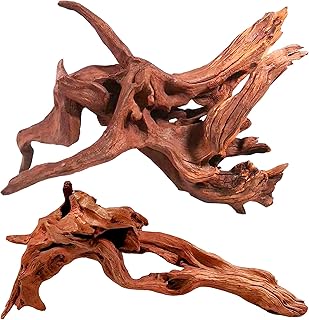
Natural wood is one of the most expressive materials you can add to an aquarium or terrarium. The right piece anchors the aquascape, softens hard lines, and gives fish, shrimp, and reptiles places to explore, rest, and hide. The challenge is that not all wood behaves the same way: some sinks immediately, others float for days, some release heavy tannins, and a few are better suited to terrariums than submerged tanks. This guide walks through the practical decisions that separate a satisfying purchase from a frustrating one, then closes with a recommendation framework for choosing among the ranked options.
Sizing and Capacity
Wood size should be matched to tank volume and the species you keep. A single 13–17 inch branch can dominate a 20-gallon tank but feel lost in a 75-gallon display. For nano tanks under 10 gallons, look for 4–8 inch pieces or multi-packs of small branches that you can arrange without crowding the swim space. For mid-size community tanks, 10–14 inch pieces typically read well from across the room. For wide or deep display tanks, 14–18 inch branches or oversized single pieces create the strongest focal points.
Capacity also matters in a different sense: how much wood the tank can handle before it overwhelms the layout. A good rule of thumb is to keep wood to roughly one-third of the visible hardscape, leaving room for plants, rock, and open swimming areas. Multi-packs of three to six pieces give you flexibility to build layered compositions, while single statement pieces work best when you want a clean, minimalist look.
Feature Tradeoffs
The biggest tradeoff in aquarium decor wood is between natural driftwood and resin alternatives. Natural driftwood offers unmatched organic character, releases tannins that benefit soft-water species like bettas and South American tetras, and develops biofilm that shrimp and snails graze on. The downsides are variability in shape, occasional floating, and the need for soaking or boiling before placement.
Resin driftwood sidesteps those issues. It is pH-neutral, sinks immediately, and arrives in a predictable shape that makes it easier to plan an aquascape. The tradeoff is a less natural appearance and the absence of tannins and biofilm, which means you lose some of the biological benefits that come with real wood.
Cholla wood sits in its own category. These hollow cactus skeletons are lightweight, sink after soaking, and create tunnels that shrimp, snails, and small fish love. They break down over time, so they are best treated as a consumable rather than a permanent centerpiece.
Installation and Setup Considerations
Most natural driftwood benefits from a short preparation routine. Rinsing under warm water removes loose debris, and soaking for several days helps leach excess tannins and encourages the wood to sink. Boiling for 20–30 minutes accelerates both processes and kills any hitchhiking organisms, though it is not strictly required for wood sold specifically for aquarium use.
Placement matters as well. Anchor heavier pieces directly on the substrate or wedge them against rock so they do not shift and crush plants or trap livestock. For taller branches, consider leaning them against the back glass or securing them with aquarium-safe glue if you keep digging fish like cichlids. Cholla wood can be laid horizontally for shrimp grazing or stood vertically to create cave-like hides.
Maintenance
Wood maintenance is generally light, but a few habits extend its lifespan and keep water clear. Siphon detritus that collects around the base during routine water changes, and gently rinse the wood in old tank water during deep cleans rather than tap water, which can kill beneficial biofilm. Tannin-stained water is harmless and often desirable, but if you prefer clear water, activated carbon or routine water changes will keep it in check.
Over time, driftwood softens slightly at the surface and may develop a thin layer of algae or biofilm. Both are normal and usually beneficial. Cholla wood breaks down faster than hardwood driftwood, so plan to replace it every year or two depending on water flow and grazing pressure.
Reliability Signals
When comparing listings, look for sellers that clearly state the wood is aquarium-safe, specify whether it is low tannin, and disclose whether it has been treated or dyed. Listings that mention easy-to-sink preparation, specific size ranges, and intended use across fish, shrimp, and reptiles tend to come from sellers who understand the hobby. High review counts combined with consistent four-star ratings are a stronger signal than a small number of perfect scores, because they reflect long-term performance across many tanks.
How to Compare Reviews
Reviews are most useful when you filter for setups similar to yours. A piece praised in a 40-gallon planted tank may behave differently in a 5-gallon betta bowl. Look for reviewers who mention soaking time, whether the wood sank on its own, and how it looked after several months. Photos in reviews are especially valuable for judging actual size and shape, since listings often show the most flattering example. Be cautious of reviews that focus only on packaging or shipping, and pay closer attention to those that discuss long-term appearance, tannin release, and interaction with livestock.
Final Recommendation
For shrimp keepers and biotope enthusiasts, the organic cholla wood options deliver the strongest combination of bioactive benefits and habitat value. For aquascapers building a planted display, large twisted driftwood branches offer the most natural silhouettes and pair well with root-style wood. For nano and betta tanks, small multi-packs of driftwood give you flexibility without crowding the swim space. For aquascapers who want predictable shapes and zero tannin staining, resin driftwood remains the most reliable choice. Match the wood to your tank size, livestock, and desired aesthetic, and you will end up with a piece that looks intentional and supports a healthy environment for years to come.