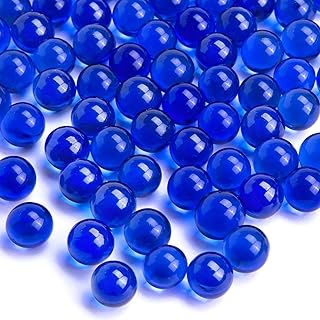
Buying Guide
Selecting the best aquarium marbles for your setup is about more than color preference. The size of the stones, the quantity in the bag, the surface finish, and how the material behaves underwater all affect the health of your tank and the quality of your viewing experience. Use the sections below to compare options and avoid common pitfalls when ordering decorative substrate online.
Sizing and Capacity
Aquarium marbles come in a wide range of diameters, from tiny six-millimeter gems to larger flat discs and river rocks exceeding an inch. Before purchasing, measure the footprint of your tank and estimate how thick you want the decorative layer to be. A shallow accent might only need half a pound of small glass beads spaced around a cave or plant base, while a full substrate bed in a ten-gallon tank can require several pounds. Flat marbles tend to spread evenly and stay in place, whereas rounded stones may roll if your fish dig or if water flow is strong. If you keep bottom feeders such as corydoras or loaches, prioritize smooth, polished surfaces that will not abrade sensitive barbels.
Feature Tradeoffs
Glass marbles offer brilliant color and a reflective surface that brightens dim corners, but they do not provide the biological filtration benefits of porous gravel or aquasoil. If you run a heavily planted tank or rely on rooted plants for filtration, consider using aquarium marbles only as a thin top dressing or accent layer over a nutrient-rich base. On the other hand, natural polished river rocks bring an organic look and substantial weight, which helps anchor tall decorations and prevents floating during water changes. The tradeoff is that natural stones often occupy more volume per pound than flat glass beads, so a two-pound bag of river rock may cover less area than a two-pound bag of flat marbles.
Installation and Setup
Always rinse any new aquarium marbles or decorative stones before placing them in your tank. Manufacturing residue, dust, and transport debris can cloud water if introduced directly. Place a colander or fine mesh strainer under cool tap water and agitate the stones until the runoff runs clear. For flat glass marbles, consider laying them in thin layers rather than deep piles; thick stacks can trap uneaten food and waste in the gaps. When combining multiple colors or textures, add the heavier river rocks first to form a stable base, then scatter lighter glass beads on top for contrast. If you use an under-gravel filter, verify that the marble size will not block the uplift tubes or impede water circulation.
Maintenance and Longevity
One advantage of glass aquarium marbles is their non-porous surface, which resists algae penetration and simplifies cleaning. During routine maintenance, hover a gravel vacuum just above the beads to lift debris without sucking up the decoration itself. Natural stones may develop biofilm over time; this is usually harmless and can even serve as a food source for shrimp, but heavy algae buildup may require gentle scrubbing. Avoid using sharp tools that could fracture glass marbles or scratch acrylic tank walls. If you notice any stones chipping or flaking, remove them promptly to protect your fish from sharp edges.
Reliability Signals
When shopping for aquarium marbles online, review volume and rating consistency are stronger reliability signals than packaging photos. A product with several thousand reviews and a rating above 4.5 stars usually indicates that the stones arrive clean, intact, and accurately colored. Read recent reviews specifically for mentions of aquarium use, since many glass beads are marketed for crafts and vases. Buyers who report success in fish tanks are effectively confirming that the product holds up underwater and does not leach dye. Also look for comments about quantity accuracy; flat marbles are often sold by weight, and the exact piece count can vary by batch.
How to Compare Reviews
Start by filtering for reviews that mention your tank size or fish species. A five-pound bag might be described as generous for a small desktop tank but insufficient for a forty-gallon breeder. Pay attention to color accuracy notes, because aquarium lighting can alter how blue or green stones appear compared to studio photography. Check for repeated complaints about sharp edges, cloudy residue, or broken pieces in transit. A handful of negative reviews about shipping damage is normal, but consistent reports of cracked marbles suggest inadequate packaging. Finally, weigh the ratio of aquarium-specific feedback against general craft use; the more fish keepers in the review pool, the more relevant the product is to your needs.
Final Recommendation
If you need a reliable all-rounder with extensive buyer validation, the assorted blue fake ice rocks offer a proven track record in fish tank environments. For larger setups or community tanks where coverage is the priority, the five-pound clear flat glass marbles provide volume and a neutral reflective finish. Choose the polished mixed-color river rocks if you prefer a natural aquascape that blends with driftwood and live plants. Nano tank owners and betta keepers will appreciate the smaller counts and flat profiles of the fifty-piece or one-pound glass sets, which allow precise placement without overwhelming limited space. Match the stone size to your inhabitants, rinse thoroughly before installation, and select a quantity that supports your desired layer depth rather than ordering by piece count alone.