Buying Guide
Selecting the right gear from the best aquatic exercise equipment available today starts with matching the tool to your fitness goals. Whether you are rehabilitating a joint, maintaining cardiovascular health, or adding resistance to pool workouts, the right product should feel secure in the water and hold up to repeated chlorine or saltwater exposure. This guide breaks down the practical factors that separate a worthwhile purchase from gear that will sit unused in the garage.
Assess Your Workout Style and Goals
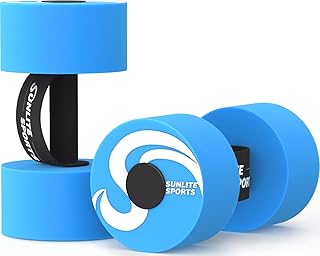
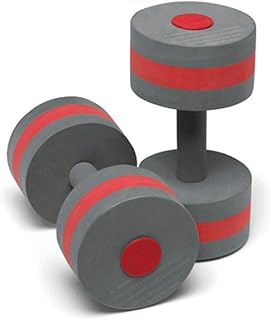
Begin by defining how you plan to train. Foam dumbbells and barbells create drag resistance for upper-body toning, while swim belts and ankle weights anchor the lower body for deep-water jogging or leg lifts. If your primary goal is general conditioning, a set of high-density EVA dumbbells offers versatility. For targeted aquatic therapy, look for padded grips and adjustable components that accommodate limited hand mobility. Those focused on endurance might pair gloves or kickboards with resistance tools to build stamina across multiple muscle groups. Understanding your dominant movement pattern before shopping ensures the aquatic exercise gear you choose aligns with the workouts you will actually perform.
Sizing and Capacity Considerations
Aquatic exercise gear is generally one-size-fits-most, but subtle differences affect comfort. Dumbbells with contoured handles reduce hand fatigue during long sets, while wider foam surfaces increase buoyancy and resistance. Swim belts should adjust to a full range of waist sizes without riding up during movement. When evaluating a combo set, verify that the included belt and ankle weights suit your body frame; otherwise, the equipment may shift and break your form. Heavier foam densities sink less and provide more consistent resistance, which is useful for advanced users but can feel unwieldy for beginners. Always check the strap lengths and foam dimensions against your own measurements to avoid fit issues.
Feature Tradeoffs: Dumbbells, Barbells, and Combo Sets
The best aquatic exercise equipment category includes several formats, each with distinct advantages. Individual dumbbells allow alternating arm movements and easy storage. Barbells distribute resistance across both hands, encouraging symmetrical shoulder engagement and mimicking land-based barbell motions. Combo sets bundle multiple tools, delivering a full-body system in one purchase, though they require more deck space and drying time. Adjustable dumbbells add versatility by letting you modify resistance levels, while fixed foam weights offer simplicity and durability with fewer moving parts. If you have limited storage at the pool, a compact pair of dumbbells may serve you better than a bulky kit. Conversely, if you want variety without researching separate purchases, a combo set provides a curated ecosystem.
Setup and Poolside Practicality
Most water fitness equipment requires no complex assembly, but preparation still matters. Rinse new foam equipment before its first use to remove manufacturing residue. If you are using a swim belt or ankle weights, test the buckles and straps away from the pool to ensure they lock securely under tension. Store gear vertically in a mesh bag so water drains and air circulates, preventing mildew and odor. Avoid leaving foam dumbbells in direct sunlight for extended periods, as UV exposure can degrade the cellular structure over time. A small amount of preventive care keeps aquatic exercise gear performing consistently season after season.
Maintenance and Longevity Signals
Durability in aquatic exercise equipment depends heavily on foam density and stitching quality. High-density EVA resists compression better than low-grade foam, meaning the tool will maintain its resistance profile after months of use. For belts and cuffs, inspect webbing for fraying and buckles for corrosion. Products with reinforced seams and marine-grade hardware typically outlast cheaper alternatives. If you swim in saltwater, rinsing gear after every session is non-negotiable to prevent hardware degradation. Reading recent reviews for mentions of foam cracking or strap failure after a few weeks can alert you to potential quality-control issues before you buy.
How to Compare Reviews and Reliability
When evaluating aquatic exercise gear, look beyond the average star rating. A product with several thousand reviews and a 4.6 or 4.7 rating often indicates consistent manufacturing and broad appeal. Pay attention to feedback from users who mention specific activities, such as water aerobics classes, post-surgery therapy, or lap swimming. Their context will tell you whether the item performs under your intended use case. Be cautious of products with very few reviews despite a high average; the sample size may not reveal long-term durability problems. Photos in reviews are also valuable, since they show how foam holds up after repeated immersion and whether colors fade.
Making the Right Choice Among the Ranked Products
If you want a single versatile tool that fits most pool workouts, a high-density foam dumbbell set from the top of the rankings offers the best balance of resistance, comfort, and proven reliability. For those building a home therapy routine, the padded-grip options lower on the list provide joint-friendly resistance without aggravating wrist or shoulder conditions. Swimmers cross-training for endurance should consider the kickboard or glove options to complement resistance work with cardio. If you prefer an all-in-one solution and have space to store it, the combo set delivers a complete aquatic exercise system. Ultimately, the best aquatic exercise equipment for you is the gear that matches your workout style, fits your body comfortably, and receives consistent praise for durability under real pool conditions.