Buying Guide
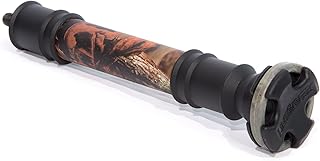
Choosing among the best archery stabilizers starts with understanding how length, mass weight, and dampening interact with your bow and shooting style. A stabilizer is not simply a rod screwed into the riser; it is a tuning tool that affects how quickly your sight settles, how much torque you feel at release, and how quietly the bow behaves after the shot. This guide breaks down the practical factors that separate a good purchase from a great one.
Sizing and Capacity
Stabilizer length is usually the first decision archers face. Short models in the 4- to 6-inch range excel in hunting scenarios where brush, ground blinds, or treestand rails limit clearance. They cut vibration and add a small amount of forward weight without making the bow feel nose-heavy. Mid-length options from 7 to 10 inches begin to offer noticeable stability benefits for ground-based hunters and 3-D shooters who need a compromise between maneuverability and hold. Long rods from 12 inches and beyond are common in target archery because the extended lever arm resists angular movement, giving the sight more time to settle on the X-ring.
Weight matters just as much as length. A light carbon-fiber rod may feel fast but can allow too much pin float for some archers. Adding stainless-steel weights to the front or using a rear side-bar lets you shift the bow’s center of gravity to match your anchor point and release style. If you shoot with a relaxed hand, a slightly heavier front end can help you keep the pin on target longer. If you tend to muscle the bow, a lighter setup with rear weight often feels more neutral.
Feature Tradeoffs
Carbon fiber and aluminum alloy are the two most common materials, and each brings tradeoffs. Carbon is lighter, absorbs vibration naturally, and is less affected by temperature swings. Aluminum is more rigid, generally more dent-resistant in rough hunting packs, and can deliver a different feel because it does not flex as much. Some manufacturers pair a carbon sleeve with an internal dampening core to capture the benefits of both.
Dampening systems vary from rubberized inserts to harmonic dampeners that sit inside the rod. More dampening usually means a quieter shot, which is valuable for hunters. Target archers sometimes prefer less aggressive dampening because they want to feel the bow’s reaction for tuning feedback. Quick-disconnect mounts are another feature worth considering if you travel to shoots or need to break the bow down for a tight case. They add a small amount of weight and length but save time in the parking lot.
Installation and Setup Considerations
Most compound bows ship with a 5/16-24 stabilizer bushing pre-installed in the riser. The products in this ranking use that standard thread, so installation is typically a matter of screwing the rod in by hand and snug-tightening. Avoid over-torquing, especially with carbon rods, because the threads can crack if treated like a steel bolt. Use a soft grip or a stabilizer wrench with moderate pressure.
When you first install a new stabilizer, shoot a short practice round before locking in final tuning. Pay attention to whether the bow wants to roll left or right at full draw. If it does, a side-bar or V-bar mount can offset the weight of your sight and quiver. Adding or removing just one ounce from the front can change how the bow reacts at release, so make incremental adjustments and record what works. If you run a rear bar, keep the angles consistent; even a few degrees of change alter the balance profile.
Maintenance and Reliability Signals
Stabilizers are low-maintenance, but they are not maintenance-free. Check the thread interface at the start of each season for carbon fraying or aluminum galling. If you hunt in wet climates, remove the weights occasionally and wipe down the threaded rod to prevent corrosion between dissimilar metals. Rubber dampeners can harden over years of UV exposure, so replace them if you notice increased hand shock or noise.
Reliability often shows up in long-term reviews. Look for feedback that mentions season-after-season durability rather than just first-impression unboxing. Products with several hundred reviews that still average above 4.5 stars usually indicate a design that survives real-world abuse. Be cautious of listings with perfect five-star averages but very low review counts; they may be excellent, but the sample size is too small to confirm consistency across manufacturing batches.
How to Compare Reviews
When reading reviews for archery stabilizers, filter for comments that mention your intended use. A hunter in a ground blind will care more about compact length and noise reduction, while a target archer will focus on how well the sight floated at full draw. Pay attention to reviews that discuss balance after accessories are mounted, because a stabilizer that works well on a bare bow may behave differently once a sight, rest, and quiver are attached.
Look for patterns rather than outliers. One reviewer complaining about thread fit may have a damaged riser bushing; ten reviewers mentioning the same wobble is a red flag. Similarly, if multiple users note that a certain length feels heavier than expected, take that as a signal about the rod’s material density rather than dismissing it.
Final Recommendation
If you need one stabilizer that handles most hunting situations without overcomplicating your setup, the Trophy Ridge Hitman offers a proven blend of dampening and compact balance backed by an extensive review history. For hunters who value minimal weight above all else, the LimbSaver S-Coil remains a benchmark for short, effective vibration control. Archers who want to experiment with length should look at the 3K carbon models that offer interchangeable rods, while those building a dedicated target rig will appreciate the full kit with side-bar mounts and quick-disconnect hardware.
Choose the BICASTER stainless weights if you already own a rod and simply need to fine-tune balance, and consider the aluminum CNC options if you prioritize impact resistance over absolute lightness. Whatever your discipline, start with a length that fits your environment, add weight gradually, and let consistent practice confirm what your setup needs.