Buying Guide
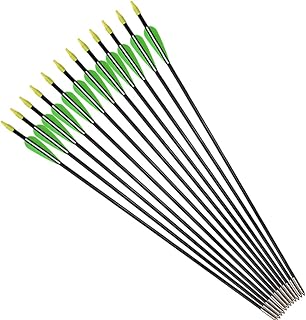
Choosing the right archery targeting arrows can make the difference between frustrating misses and steady improvement. Because arrows interact with your bow’s draw weight, draw length, and the type of target you use, a one-size-fits-all approach rarely works. This guide breaks down what to look for when selecting targeting arrows for practice, how to match them to your setup, and how to interpret customer reviews so you buy once and shoot often.
Arrow Length and Draw Compatibility
Arrow length is the first filter most shooters should apply. If an arrow is too short, it can fall off the rest or create safety issues at full draw; too long, and it adds unnecessary weight that hurts speed and trajectory. Many of the best archery targeting arrows come in 24-, 26-, 28-, 30-, or 31-inch versions. Youth and beginner archers usually shoot well with 26- or 28-inch shafts, while adults with longer draw lengths often prefer 30- or 31-inch arrows. When in doubt, measure your draw length and add an inch or two for safety margin. Several top-rated fiberglass sets offer multiple lengths in the same listing, which is ideal if you are buying for a family or a youth program where shooters grow quickly.
Shaft Material: Carbon vs. Fiberglass
The two dominant materials in targeting arrows are carbon and fiberglass, and each has distinct tradeoffs. Carbon arrows are lighter, stiffer, and typically deliver tighter groups downrange. They are the go-to choice for archers who want target performance that translates directly into hunting season. Fiberglass arrows, on the other hand, are heavier and more flexible. They are generally more affordable and resist splintering better than budget carbon options, which makes them popular for backyard practice, youth leagues, and camps. If you shoot high volumes at foam or bag targets and want arrows that can survive rough handling, fiberglass is a practical option. If you prioritize speed, flat trajectory, and competition-level consistency, carbon targeting arrows are worth the upgrade.
Tip Type and Target Preservation
Most archery targeting arrows ship with screw-in field points or blunt tips. Field points are standard for target practice because they penetrate paper and foam consistently and pull out cleanly from bag targets. Blunt tips are safer for younger shooters and work well against harder surfaces or small backyard targets where pass-through is a concern. Removable tips are a feature to prioritize if you want to swap between practice points and hunting broadheads without buying a second set of arrows. Check the thread size—most target arrows use standard 8-32 inserts—to ensure broadhead compatibility if you plan to transition from the range to the field.
Spine Stiffness and Bow Weight
Spine refers to how much an arrow flexes when shot, and it must match your bow’s draw weight. A weak spine flexes too much and flies erratically; an overly stiff spine will not flex enough and will also group poorly. While many consumer-grade targeting arrows do not list a specific spine rating, you can infer suitability from the manufacturer’s recommended bow weight range in the listing details. Carbon arrows generally offer a tighter spine tolerance than fiberglass, which is why they tend to group better at higher poundages. If you shoot a recurve or longbow above 40 pounds, lean toward carbon. For light youth recurves or entry-level compounds under 30 pounds, fiberglass arrows usually perform adequately.
Fletching, Nocks, and Assembly
Factory-fletched arrows save time and usually produce more consistent flight than hand-fletched alternatives for beginners. Most targeting arrows come with plastic vanes rather than feathers because vanes hold up better in damp grass and against target faces. Inspect the nock fit before shooting: it should click onto the bowstring snugly but not require force. Loose nocks cause inconsistent release, while overly tight nocks can throw off timing. If you buy arrows for youth shooters, look for nocks that are already glued and aligned so there is no setup barrier between unboxing and shooting.
Maintenance and Longevity
Even the best archery targeting arrows wear out. Inspect shafts regularly for cracks, especially near the nock end and behind the point insert. Carbon arrows can develop micro-fractures that are hard to see but dangerous to shoot; flex the shaft and listen for cracking sounds. Fiberglass arrows are more forgiving but can still splinter after heavy impacts. Rotate your arrows between sessions so that no single shaft takes all the abuse, and replace field points when threads show wear. Store arrows vertically or in a quiver to prevent warping, and avoid leaving them in hot vehicles where adhesives can degrade.
How to Compare Reviews
When reading customer feedback on targeting arrows, focus on comments that mention bow type, draw weight, and target material. A five-star review from a compound shooter using a foam block may not apply to your recurve-and-bag-target setup. Look for patterns: if multiple reviewers mention loose nocks, inconsistent spine, or tips backing out, those are manufacturing red flags. Pay attention to review photos that show grouping sizes at known distances; they offer more insight than star ratings alone. Finally, weigh the total number of reviews against the average rating. An arrow with thousands of reviews and a 4.4-star average usually indicates reliable mass production, while a small handful of perfect scores may reflect limited testing.
Final Recommendation
If you want the safest bet for all-around target practice, the GPP 28-inch fiberglass arrows offer unmatched social proof and a track record across youth and adult recurve setups. For shooters ready to invest in tighter groups and faster flight, the 30-inch carbon fluorescence arrows provide visibility and spine consistency that outperform fiberglass at longer ranges. Youth programs and families should look at the Bear Archery safety-glass arrows or the shorter Lanneret fiberglass sets, both of which prioritize durability and safe handling over raw speed. Beginners who are unsure of their ideal length should choose a multi-length fiberglass pack so they can experiment without buying multiple sets. Match your arrow material to your bow weight, prioritize removable tips if you plan to hunt later, and always inspect shafts after every few sessions to keep your practice safe and productive.