Buying Guide
This guide compares the best armored vehicles weapons warfare history books using documented subject coverage of armored warfare, range of vehicles and variants covered, illustrations, photos, and technical diagrams, historical time period and theater scope, technical specifications and identification detail, and format, binding, and reference usability.
What defines the best armored vehicles weapons warfare history books
The best armored vehicles weapons warfare history books combine three layers: a clear subject focus on armored platforms and their weapons, visual evidence that supports identification, and historical context that explains how vehicles were used in the field. Readers comparing titles in this category should weigh scope (single nation versus global), vehicle range (how many types and variants), and the depth of technical detail provided alongside photographs and drawings.
Choosing between encyclopedias, memoirs, and campaign studies
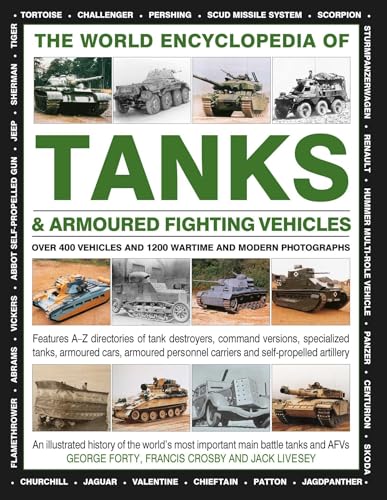
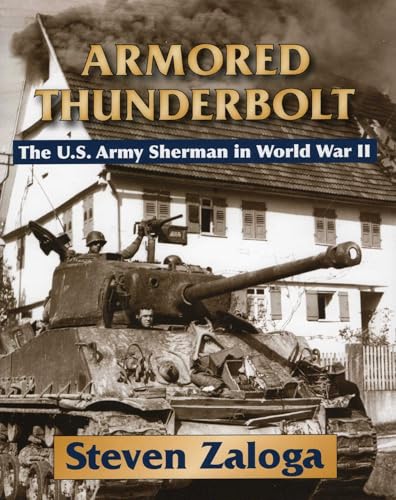
Encyclopedias such as Tank: The Definitive Visual History of Armored Vehicles and the World Encyclopedia of Tanks & Armoured Fighting Vehicles deliver broad coverage and high photo counts, making them useful as long-term reference material. Specialist volumes like German Heavy Armored Cars focus tightly on a small set of vehicle families, trading breadth for identification precision. Campaign and memoir titles, including Tigers in the Mud and Armored Thunderbolt, add the human and operational context that pure reference books often leave out. Many readers build a small shelf that mixes these formats rather than relying on one volume alone.
Scope: global, single-nation, or specialist
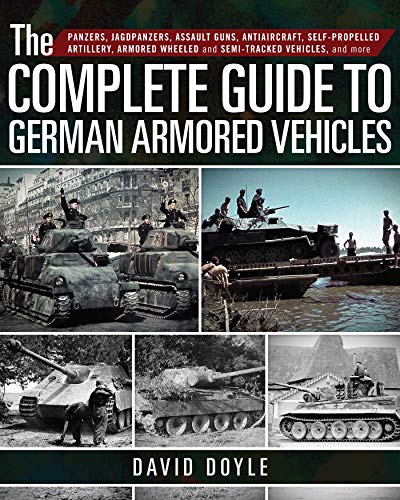
A global scope suits buyers who want to compare armor programs across countries and theaters. A single-nation focus, like The Complete Guide to German Armored Vehicles, gives deeper coverage of one national arsenal and is useful for modelers and historians tracking a specific flag. Specialist volumes such as German Heavy Armored Cars narrow further to a vehicle class or family, which is ideal for readers who already own broader references and want targeted identification material.
Vehicle range matters because armored warfare spans tanks, armored cars, self-propelled artillery, assault guns, and anti-aircraft platforms. Wide-range titles like Tanks & AFVs: More than 800 Illustrations and A Visual History of World Military Machines cover many categories in one volume, while plans books such as Axis Armored Fighting Vehicles (World War II AFV Plans) concentrate on a curated list of types supported by scale drawings.
Illustrations, photos, and technical diagrams
Photo-led encyclopedias support visual identification, while plans books support measurement and modeling. When choosing among the best armored vehicles weapons warfare history books, look at the balance between archive photographs, color profiles, cutaway diagrams, and scale drawings. Titles like the Tanks and Armored Fighting Vehicles Visual Encyclopedia and World Encyclopedia of Tanks & Armoured Fighting Vehicles lean heavily on photography, whereas AFV plans books rely on line drawings and specifications.
Historical period and theater coverage
Some titles center on a single war, such as Armored Thunderbolt, which follows American armored forces in World War II. Others span multiple eras, including A Visual History of World Military Machines and Tanks & AFVs: More than 800 Illustrations. Buyers studying a particular period should match the book’s coverage window to that period, while readers building a general reference library benefit from titles that bridge wars and theaters.
Hardcover encyclopedias such as Tank: The Definitive Visual History of Armored Vehicles and Tanks & AFVs: More than 800 Illustrations are built for repeated reference, with larger formats and heavier bindings. Paperback titles like Tigers in the Mud and Axis Armored Fighting Vehicles are easier to read cover to cover and to carry, while plans books sit comfortably on a modeling bench. Weight, trim size, and binding type are practical signals of how a book will be used.
Final recommendation
Tank: The Definitive Visual History of Armored Vehicles ranks first overall in this specification-based comparison under the published weighted criteria.
The final choice among the best armored vehicles weapons warfare history books depends on the documented features that match your intended use.
The top armored vehicles weapons warfare history books in this comparison reflect different reading goals, but Tank: The Definitive Visual History of Armored Vehicles stands out as the first overall specification-based choice because it pairs the broadest subject coverage with the highest illustration density and a hardcover DK reference format. Readers seeking a single starting volume should begin there, then add a single-nation compendium like The Complete Guide to German Armored Vehicles for deeper coverage of one nation’s arsenal, and finish with a specialist monograph such as German Heavy Armored Cars for identification depth. Together, those three titles form a layered set that covers visual reference, national scope, and specialist detail among the top armored vehicles weapons warfare history books available.
Frequently Asked Questions
What should I look for when choosing among the best armored vehicles weapons warfare history books?
Focus on subject focus, vehicle range, illustration quality, and the historical period covered. A balanced reference library often combines a broad visual encyclopedia, a single-nation compendium, and a specialist monograph so that general reference, national depth, and identification detail are all covered.
Are AFV encyclopedias better than memoirs for learning about armored warfare?
Encyclopedias and memoirs serve different purposes. Encyclopedias such as Tank: The Definitive Visual History of Armored Vehicles and the World Encyclopedia of Tanks & Armoured Fighting Vehicles provide broad coverage and identification support. Memoirs like Tigers in the Mud add crew-level perspective and operational context. Using them together produces a fuller picture of armored warfare.
Do I need a plans book if I already own an encyclopedia?
A plans book such as Axis Armored Fighting Vehicles (World War II AFV Plans) is useful when you want scale drawings and detailed specifications for modeling or scratchbuilding. Encyclopedias focus on identification and historical context, while plans books focus on measurements and proportions. Many armor enthusiasts keep both formats on hand.
Which book is best for readers focused on German armored vehicles?
The Complete Guide to German Armored Vehicles provides the widest single-nation coverage across Panzers, Jagdpanzers, assault guns, and self-propelled artillery. For readers who want to narrow further to armored cars, German Heavy Armored Cars adds detailed identification material on the Sd.Kfz. 231 through 234 families.
How do I decide between hardcover and paperback armored warfare books?
Hardcover titles like Tank: The Definitive Visual History of Armored Vehicles, The Complete Guide to German Armored Vehicles, and Tanks & AFVs: More than 800 Illustrations are well suited to long-term reference use. Paperback titles such as Tigers in the Mud and Axis Armored Fighting Vehicles are easier to read and carry, and are often the better choice when a book will be read cover to cover rather than consulted repeatedly.