Buying Guide
When you invest time in drawing or painting, the last thing you want is a cluttered pile of charcoal stubs, broken leads, and scattered markers. The right storage system protects your tools, speeds up your workflow, and makes it easier to transport everything from a corner desk to an outdoor park bench. Because the market covers soft roll-up pouches, rigid plastic cases, stackable acrylic modules, and heirloom-style wooden chests, choosing among the best art tool sketch storage boxes requires a clear understanding of how size, material, and layout interact with your habits.
Sizing and Capacity
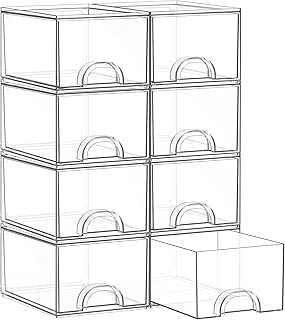
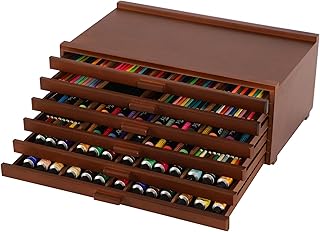
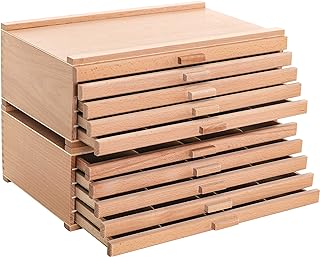
Start by gathering the supplies you use most often. A minimalist sketch kit containing a dozen graphite pencils, an eraser, and a sharpener fits comfortably in a slim pouch or single-layer case. If you work with markers, brush pens, or thick charcoal sticks, look for deeper bases or expandable interiors that prevent tips from pressing against lids. Multi-drawer wooden boxes excel when you keep dozens of pastels, colored pencils, and brushes in one place, because individual drawers let you separate delicate sticks from metal tools that might cause breakage. Before committing to a large chest, measure the surface where you plan to store it; a bulky unit can dominate a small desk and force you to stack supplies on top, defeating the purpose of organization.
Feature Tradeoffs
Soft fabric pouches offer flexibility. They squeeze into backpacks, weigh very little, and often include loops or straps that keep individual pens from migrating. The tradeoff is limited protection against crushing, and they rarely stand upright on a desk. Hard plastic cases and acrylic drawers shield against impact and moisture, but they can be heavier and may slide around unless they include rubber feet. Wooden boxes bring warmth and rigidity, yet they react to humidity and typically current Amazon listing detail more than synthetic alternatives. If you travel frequently, a case with a handle and secure latch system matters more than interior elegance. For studio work, removable trays and adjustable dividers let you reconfigure compartments as your collection evolves, whereas fixed slots lock you into a single layout.
Setup and Daily Use
Most fabric cases arrive fully assembled and require nothing more than unzipping and loading. Rigid plastic containers sometimes include removable dividers that snap into grooves; test the fit before filling them, because loose dividers slide under the weight of heavy markers and create a messy jumble inside. Wooden chests usually need a quick check of drawer alignment. If a drawer sticks, a small amount of beeswax or candle wax rubbed along the sliding edge often corrects the track without introducing oily residue that could stain paper or tools. Stackable acrylic sets should be placed on a level surface first; once you confirm the interlocking tabs seat properly, you can add additional tiers without worrying about toppling.
Maintenance and Longevity
Fabric liners accumulate graphite dust, pastel powder, and eraser debris. Shaking the pouch over a trash bin helps, but an occasional vacuum with a hose attachment keeps the interior fresh. Plastic surfaces wipe clean with a damp cloth, though avoid harsh solvents that can cloud transparent walls. Wooden boxes benefit from occasional dusting and a light application of furniture wax every few months to maintain the finish and keep drawers gliding smoothly. If you store oil pastels or oil paints inside, place a sheet of wax paper or glassine between the supplies and the wood to prevent staining. Check latches and hinges periodically; tightening a loose screw early prevents a lid from warping or a clasp from failing during transit.
Reliability Signals
A high average rating across hundreds or thousands of reviews generally indicates consistent manufacturing and accurate product descriptions. Pay attention to recurring themes in written feedback. Comments about cracked plastic, splintered wood, or stuck drawers often reveal material weaknesses that star averages alone can hide. Look for notes on whether the latch stays closed when the case is turned upside down, whether drawers open smoothly after weeks of use, and whether the stated dimensions match real-world capacity. Products that maintain strong ratings over several years tend to come from suppliers with stable quality control, whereas items with only a handful of perfect scores may reflect early enthusiasm rather than long-term durability.
How to Compare Reviews
Focus on reviews that describe specific use cases similar to yours. A student commuting by bus will value different traits than a studio painter who rarely leaves the house. Filter for mentions of the exact media you use; colored pencil artists often worry about tip breakage, while watercolor brush collectors need taller compartments. Watch for photographs showing the interior loaded with supplies, because marketing renders sometimes exaggerate capacity. If you see repeated complaints about a chemical smell upon unboxing, factor in an airing-out period before storing delicate paper inside. Finally, balance negative reviews against the overall volume; a single report of a defective unit among thousands of satisfied customers is less alarming than a pattern of the same failure across a smaller sample.
Final Recommendations
If you need one versatile solution that travels well and survives daily bumps, a deep-base plastic carrying case with a transparent lid offers the best blend of visibility and protection. For artists who work at a fixed desk and want a clean, expandable system, stackable acrylic drawers keep every pen and pastel visible while adapting to growing collections. Students and urban sketchers who carry supplies in a backpack should look at high-capacity fabric pouches that conform to tight spaces and weigh next to nothing. When aesthetics and tradition matter, a hardwood box with locking clasps and removable trays brings a sense of permanence to a studio setup. Those managing large inventories of mixed media will appreciate multi-drawer wooden chests that separate tools by type and prevent cross-contamination. Match the box to your environment, your transport habits, and the media you love, and your tools will stay ready whenever inspiration arrives.