Buying Guide
Choosing among the best arthritis pain relief medications requires more than grabbing the first bottle on the shelf. Arthritis discomfort varies by joint, severity, and personal medical history, so the ideal product matches your specific symptoms, lifestyle, and sensitivities. This guide breaks down the practical factors you should weigh before making a selection.
Oral vs. Topical: Matching the Delivery Method to Your Pain
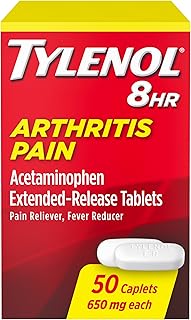
The first decision is usually between oral tablets and topical applications. Oral medications—such as acetaminophen or naproxen sodium—travel through your bloodstream to address pain systemically. They are generally the better choice when multiple joints ache at once or when you need extended coverage throughout the day. Extended-release acetaminophen caplets, for example, are formulated to maintain steady levels of active ingredient over eight hours, which can help you avoid waking up with stiffness or re-dosing during work hours.
Topical gels and creams, on the other hand, are applied directly to the skin over the affected joint. These products are ideal when pain is isolated to one or two areas, such as a single knee or your dominant hand. Because the active ingredient is absorbed locally rather than circulated broadly, topicals often produce fewer stomach-related side effects than oral NSAIDs. If you have a history of digestive sensitivity but still need anti-inflammatory relief, a topical diclofenac gel may offer a practical middle ground.
Active Ingredients and Mechanisms of Action
Not all arthritis pain relief medications work the same way. Acetaminophen primarily reduces the perception of pain and lowers fever, but it does not treat inflammation. For many people with osteoarthritis, where pain stems more from cartilage wear than from active swelling, acetaminophen provides sufficient relief and is generally easier on the stomach.
NSAIDs—both oral like naproxen sodium and topical like diclofenac—address inflammation directly. If your joints feel warm, swollen, or visibly puffy, an NSAID is often more appropriate because it targets the inflammatory process causing the discomfort. However, NSAIDs are not suitable for everyone. Those with certain kidney, heart, or gastrointestinal conditions should consult a healthcare provider before regular use.
Alternative formats, such as homeopathic tablets or essential-oil-based rubs, occupy a different category. These products appeal to users seeking non-pharmaceutical or plant-based options. While they may provide comfort for minor aches, they typically lack the clinical validation of acetaminophen or NSAID therapies. Consider them as complementary options rather than primary treatments for moderate to severe arthritis.
Sizing, Capacity, and Supply Planning
Think about how frequently you will need the product and where you will store it. Large-count bottles of extended-release tablets are convenient for daily regimens because they reduce the frequency of reorders. They also make sense for households where more than one person manages arthritis symptoms. The downside is portability; a bottle with hundreds of caplets is not ideal for a travel bag or office drawer.
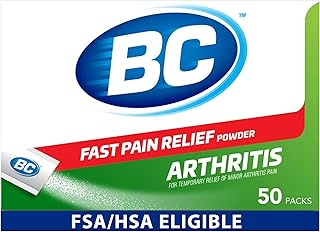
Smaller bottles of oral medication or compact tubes of topical gel offer better portability. If you split your time between home and work, or if you travel often, keeping a mid-size oral bottle at home and a small topical tube in your bag can create a flexible relief system. Powders and roll-ons also fit this portable niche, though powders require access to water and roll-ons need dry skin to absorb properly.
Some products include features designed for specific user needs. Easy-open arthritis caps are engineered for individuals with limited grip strength or finger dexterity. If you have found standard child-proof containers frustrating, this design detail can significantly improve daily usability.
Dye-free and aspirin-free formulations cater to users with allergies, asthma, or sensitivities to certain excipients. While the active ingredient remains the same, removing dyes and aspirin reduces the risk of skin reactions or cross-medication issues. If you have a history of sensitivities, checking the inactive ingredient list is just as important as checking the active one.
Setup, Application, and Routine Integration
Oral medications require little more than water and a consistent schedule. To maximize extended-release formulas, take them at the same time each day and avoid breaking or crushing the tablets, which can release the dose too quickly. Setting a phone reminder can help maintain steady plasma levels and prevent gaps in coverage.
Topicals demand a bit more technique. Clean and dry the skin over the painful joint before applying the gel. Wash your hands thoroughly afterward to avoid accidental contact with your eyes or mouth. Most topical NSAIDs need several days of consistent application before users notice full effects, so patience and routine matter. Avoid using topical gels on broken skin or under heating pads, as this can increase absorption unpredictably.
Maintenance, Storage, and Shelf Life
Store all medications in a cool, dry place away from direct sunlight. Bathrooms are often too humid for optimal storage, so a bedroom closet or kitchen cabinet usually works better. Check expiration dates periodically; expired acetaminophen or NSAIDs may lose potency and become less effective at managing pain.
For topicals, pay attention to tube integrity. If a cap cracks or the seal breaks, the product may dry out or become contaminated. Keep topical products separate from lotions or creams to avoid cross-contamination, and label them clearly if you transfer them to travel containers.
Reliability Signals and How to Compare Reviews
When evaluating arthritis pain relief medications, look beyond the star average. A product with tens of thousands of reviews and a rating above 4.5 stars generally indicates broad satisfaction and consistent manufacturing quality. Read recent reviews specifically, because formulas and packaging can change over time. Look for patterns in the feedback: if multiple users mention that a topical absorbs quickly without residue, that is a reliable signal of texture quality. Similarly, if oral tablets are repeatedly praised for consistent eight-hour coverage, the extended-release mechanism is likely performing as advertised.
Be cautious of products with very few reviews or ratings that fluctuate wildly. A small sample size may not reflect real-world reliability. Also, distinguish between reviews for general pain relief and those specifically mentioning arthritis. A medication that works well for headaches may not perform as effectively for joint stiffness, so arthritis-specific testimonials carry more weight for this category.
Final Recommendation: How to Choose Among the Ranked Products
If you need all-day coverage for widespread joint discomfort and prefer a gentle stomach profile, an extended-release acetaminophen caplet from a trusted brand is a strong starting point. For users with inflammatory flare-ups in specific joints, a topical diclofenac gel offers localized relief without systemic exposure. Those who need both portability and potency should consider a smaller oral bottle paired with a travel-sized topical tube.
If you manage arthritis pain daily and want to minimize reordering, bulk-count bottles provide convenience and peace of mind. On the other hand, if you have sensitivities to dyes or aspirin, seek out the specialized formulations that remove those additives while keeping the same active ingredient. Ultimately, the best arthritis pain relief medication for you is the one that aligns with your pain pattern, medical history, and daily routine—delivering consistent relief without adding complexity to your life.