Buying Guide
Finding the Right Fit and Sizing
Athletic outdoor sandals and slides should fit securely without pinching. Many performance models run slightly narrow or wide depending on the footbed mold, so start by checking the brand’s sizing notes and measuring your foot length against the provided chart. If you fall between sizes, look for designs with multiple adjustable straps that let you fine-tune tension across the forefoot, instep, and heel. For hiking-oriented sandals, leave a small amount of space at the toe box to accommodate natural swelling on long walks. If you plan to wear them with lightweight socks for sun protection or blister prevention, verify that the straps and upper have enough give to remain comfortable without creating pressure points.
Open-Toe, Closed-Toe, and Slide Silhouettes
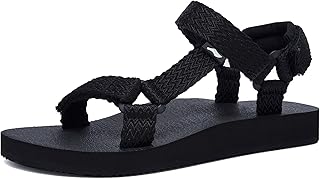
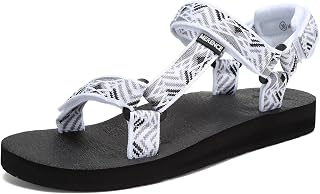
Feature tradeoffs begin with the silhouette. Open-toe sport sandals maximize breathability and drain water quickly, making them ideal for river crossings, beachcombing, and hot-weather trail sections. Closed-toe athletic sandals add a protective bumper that shields against stubbed toes on rocky terrain, though they sacrifice some ventilation. Slides prioritize convenience: you can slip them on at the campsite, by the pool, or after a gym session, but they generally offer less lateral security than strapped sandals. Think about your primary activity. If you need stability for uneven ground, choose a strapped open-toe or closed-toe model. If recovery and casual lounging dominate your routine, a cushioned slide will serve you better.
The footbed is where comfort lives or dies. Yoga-mat and EVA foam insoles provide immediate softness and shock absorption, which is excellent for walking on hard-packed trails or pavement. Cork footbeds take longer to break in, but they gradually mold to your arch and heel shape, creating a personalized fit that many wearers find supportive over years of use. Orthopedic-oriented models often feature deeper heel cups and pronounced arch ridges designed to align the ankle and reduce strain on the plantar fascia. When comparing options, consider whether you need neutral cushioning or targeted orthopedic support, and remember that a thicker midsole does not always mean better alignment if the contours do not match your foot geometry.
Break-In and First-Time Setup
Most athletic sandals require little to no assembly, but break-in periods vary. Synthetic webbing and EVA footbeds are usually comfortable right out of the box, while cork and leather-lined models may need several short walks to soften and conform. When your new sandals arrive, wear them around the house for an hour or two to test for hot spots. Adjust every strap or buckle incrementally: a strap that is too loose allows foot slide and blistering, while one that is too tight can compress nerves and cause numbness. If the sandal includes a removable insole, check whether you have enough depth to insert a custom orthotic without crowding the upper.
Traction and Outsole Design
Outsole patterns determine how confidently you can move across wet docks, dusty switchbacks, and slick river rocks. Deep multidirectional lugs bite into loose dirt and gravel, while razor-siped rubber improves grip on smooth wet surfaces. If you expect to encounter streams or boat decks frequently, look for non-marking rubber that channels water away from the foot. Closed-toe hikers often wrap the rubber up over the toe cap for added abrasion resistance, whereas slides and casual sandals typically use flatter, foam-based soles that excel on pavement and poolside tile but can struggle on muddy inclines.
Maintenance and Longevity
Regular maintenance keeps outdoor sandals performing season after season. After hikes or beach visits, rinse off mud, sand, and salt with fresh water and let the sandals air dry away from direct heat, which can warp adhesives and foam. For models with cork footbeds, occasional brushing removes debris and restores the surface texture. Check stitching and glue lines every few weeks; early separation at the toe or heel is often a sign that the pair is reaching the end of its life. Store sandals in a dry, ventilated space rather than a hot car trunk, since prolonged exposure to high temperatures can degrade midsole foams and cause outsole delamination.
Reliability Signals to Watch For
Long-term reliability shows up in small details. Reinforced stitching at stress points, metal or high-grade nylon buckles, and thick rubber toe guards all suggest a design built to last. User reviews that mention consistent performance after months of daily wear are more valuable than first-impression unboxings. Pay attention to feedback about strap durability and whether the footbed compresses over time. A sandal that retains its arch shape after heavy mileage is a better investment than one that flattens within a season.
How to Compare Reviews Effectively
When reading customer feedback, focus on reviewers who describe use cases similar to yours. A hiker evaluating a sandal on the Appalachian Trail will offer more relevant insights than a reviewer who only wore them to the grocery store. Look for recurring themes: if multiple buyers mention that a model runs narrow or that the heel strap stretches, treat those as likely truths rather than isolated opinions. Photos of long-term wear can reveal how materials age, and responses from the manufacturer about defects often indicate how seriously the brand takes quality control. Ignore extreme outliers and concentrate on patterns that align with your foot shape and intended activities.
Final Recommendation: Matching the Right Sandal to Your Routine
Choosing among these ranked models comes down to matching the design to your daily routine. If you need one versatile pair for light trails, travel, and errands, the top-ranked sport sandal with responsive cushioning and adjustable straps is the safest all-rounder. For dedicated hikers who encounter sharp rocks and rough terrain, the closed-toe option provides toe protection without adding excessive weight. Water enthusiasts and beachgoers should prioritize quick-dry uppers and drainage-friendly outsoles that perform after full submersion. If your primary goal is post-run or post-hike recovery, the cushioned slide with impact-absorbing foam will give your feet the relief they need. Finally, those managing plantar fasciitis or requiring custom orthotics will benefit most from the orthopedic models with deep heel cups and adjustable strap systems that accommodate medical inserts. By aligning silhouette, footbed type, and outsole grip with your actual activities, you will end up with a pair that earns its place in your gear rotation all summer long.