Buying Guide
Choosing among the best athletic vests for men comes down to understanding how you will actually use the layer. A vest that excels on a golf course in mild weather may frustrate you on a windy mountain trail, while a waterproof softshell can feel like overkill during a hot afternoon run. Use the sections below to match construction, fit, and features to your primary activities.
Sizing and Fit Considerations
Athletic vests should fit close to the body without compressing the chest or restricting shoulder movement. Most softshell and fleece options run true to casual jacket sizing, but if you plan to layer over hoodies or thermal base layers, consider ordering one size up. For golf and running-specific cuts, look for designs with dropped hems or slightly elongated backs that stay tucked during motion. Sleeveless golf pullovers often use a trimmer, performance-oriented fit, so check whether the brand cuts slim or relaxed before buying.
Pay attention to armhole placement. Too high, and the vest can chafe during repetitive motion; too low, and the garment loses its wind-blocking advantage. If you carry a hydration pack or running belt, verify that the vest hem falls above the hip belt to avoid bunching.
Feature Tradeoffs by Activity
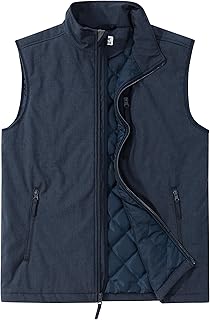
Windproof softshell vests dominate this category because they bridge multiple sports. They block core-chilling gusts during running and cycling, yet breathe well enough for hiking. The tradeoff is that most softshells are not fully waterproof; they handle light drizzle but will eventually wet through in sustained rain. If you train in unpredictable climates, prioritize a waterproof softshell with a fleece backing, accepting a slight weight penalty for the extra protection.
Fleece vests offer superior warmth and comfort for casual outdoor use and cool-weather walking, but they tend to absorb moisture rather than repel it. They are excellent for layering under a shell but less ideal as standalone pieces for high-intensity cardio where sweat buildup is a concern.
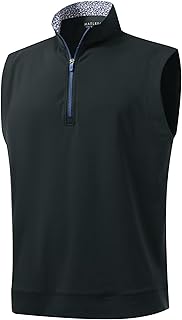
Moisture-wicking dry-fit vests behave like sleeveless performance shirts. They excel in warm weather and during indoor-to-outdoor transitions, but they provide almost no wind or water resistance. Treat them as base-layer replacements or single-layer options for mild days rather than protective outerwear.
Multi-pocket utility vests add storage for photographers, anglers, and travelers. The extra capacity is convenient, but all those pockets can add weight and trap heat. For pure running or cross-training, a minimal pocket layout is usually better.
Setup and Compatibility
Most athletic vests are ready to wear out of the package, but a few details are worth checking before you remove the tags. Test the zipper action; YKK or similarly robust zippers tend to last longer under repeated use. If the vest includes an interior phone pocket, make sure your device fits without stretching the lining. For softshell models, verify whether the fabric has any stretch. Two-way stretch improves reach in golf and climbing, while four-way stretch is ideal for running and dynamic workouts.
If you wear a fitness tracker or heart-rate monitor chest strap, confirm that the vest hem does not sit directly on top of the sensor, which can cause friction or inaccurate readings.
Maintenance and Longevity
Softshell and windproof vests usually require gentle washing in cold water and hang drying to preserve their durable water-repellent coating. Fleece vests attract pet hair and lint, so keep a lint roller handy and avoid washing them with items that shed. Dry-fit pullovers can typically handle machine drying on low heat, but repeated high-heat cycles will degrade the moisture-wicking fibers over time.
Check seams after the first few wears. Stress points at the armholes and zipper base are the first places to fail. A vest with reinforced stitching in those areas will outlast lighter options, especially if you wear it several times per week.
How to Compare Reviews
When reading feedback on athletic vests, focus on comments that mention your intended use. A five-star review from a traveler praising pocket layout may not help if you need a running layer that stays put at mile five. Look for repeated mentions of sizing accuracy, zipper quality, and wind-blocking performance. If several reviewers note that a vest runs large or small, adjust your order accordingly rather than trusting a single comment.
Be cautious of listings with very high ratings but extremely low review counts. A small sample size can skew results. Conversely, a product with thousands of reviews and a 4.4 to 4.6 average often represents a safer bet because the rating has stabilized across a broad range of body types and activities.
Final Recommendations
If you want one vest that handles the widest range of conditions, choose a windproof softshell with a streamlined athletic cut. It will serve you for running, hiking, golf, and travel without feeling too specialized. Runners dealing with cold mornings should prioritize a fleece-lined windproof option that traps heat around the core while leaving arms free to move. Golfers and cyclists will appreciate stretch fabrics and pocket layouts designed for easy access mid-activity.
For wet climates, move a waterproof softshell to the top of your list, even if it means sacrificing a small amount of breathability. If your primary need is warm-weather performance or gym-to-street versatility, a moisture-wicking dry-fit vest is the better choice. And if you carry a lot of small gear, a multi-pocket utility vest offers organization that minimal athletic cuts simply cannot match.
Start by identifying the season and intensity of your main sport, then match the fabric technology and fit to that scenario. The best athletic vests for men are the ones you forget you are wearing—light enough to stay out of the way, but protective enough to keep you comfortable from the first mile to the last.