Buying Guide
Automatic irrigation tubing is the backbone of any low-maintenance watering setup, carrying water from a faucet or timer to the emitters, misters, or sprinklers that actually hydrate your plants. The right tubing depends on the size of your garden, the type of plants you grow, and how much hands-on work you want during installation. This guide walks through the practical decisions so you can pick tubing that fits your space and stays reliable season after season.
Sizing and Capacity
Tubing diameter is the first decision to make. 1/2 inch tubing is typically used as the mainline that runs from your water source, because it handles higher flow with less pressure loss over long distances. 1/4 inch tubing is used as feeder or distribution lines that branch off the mainline and reach individual plants or small clusters. Some specialty systems use 5/16 inch tubing, which is a middle ground often paired with 360° adjustable nozzles.
Length matters just as much. Measure the rough perimeter of the area you want to water, then add extra for curves, branches, and a small amount of slack at each emitter. Kits that combine 1/2 inch and 1/4 inch tubing, such as the 240 ft and 230 ft quick-connect systems in this list, are convenient because they bundle both sizes in proportions that match typical garden layouts. If you already have a mainline and only need to extend feeders, a 100 ft or 250 ft roll of 1/4 inch tubing is often enough.
Feature Tradeoffs
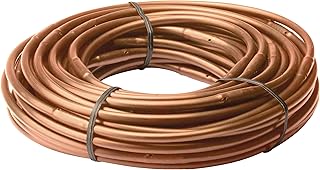
Bare supply tubing is the most flexible option. You can cut it to length, add barbed fittings, and build a custom layout that matches unusual bed shapes. The tradeoff is that you need to source emitters, connectors, stakes, and a timer separately, and you spend more time planning the run.
Complete kits trade some flexibility for convenience. They typically include adjustable nozzles, barbed fittings, stakes, and sometimes a pressure regulator. Quick-connect or fast-lock systems go further by letting you snap tubing into fittings without tools or clamps, which speeds up installation and makes it easier to reconfigure later. If you want a set-and-forget setup and do not want to learn every fitting type, a kit is usually the better starting point.
Pressure-compensating emitter tubing is a specialized option worth considering on slopes or long runs. Standard emitters can release more water near the source and less at the far end of a line. Pressure-compensating tubing keeps flow consistent across the entire run, which is useful for raised beds built on a grade or for greenhouses with many containers spread along a single line.
Installation and Setup Considerations
Before you buy, sketch a rough map of your garden and mark where the water source is, where the mainline will run, and where each feeder line needs to reach. This helps you decide whether you need more 1/2 inch mainline or more 1/4 inch distribution tubing, and whether a kit or a custom build makes more sense.
Look for tubing that is rated for UV exposure if it will sit in full sun, and check whether the material is flexible enough to route around corners without kinking. Polyethylene is the most common material and handles weather well. Quick-connect fittings are a real time-saver if you expect to disassemble the system in winter or move it to a new bed.
Pay attention to water pressure. Most residential drip systems work best between 20 and 40 psi. If your home water pressure is higher, a pressure regulator at the faucet protects emitters and tubing from blowouts. Some kits include one, but many do not, so factor that into your plan.
Maintenance and Longevity
Automatic irrigation tubing is generally low maintenance, but a few habits extend its life. Flush the mainline at the start and end of each season by removing the end cap and running water through briefly to clear sediment. Check fittings once or twice a year for slow leaks, especially at corners where tubing can shift. If you live in a climate with freezing winters, drain the system or blow it out with compressed air before the first hard freeze, because water trapped in tubing can split the walls.
Stakes and holders keep tubing from sagging into soil or being snagged by lawn equipment. Most kits include basic stakes, but adding a few extras in high-traffic areas is worth it. Replace any section that shows cracking, persistent kinks, or algae buildup inside, since these problems only get worse over time.
Reliability Signals to Look For
Strong review counts and consistent ratings are the most useful reliability signals. Listings with thousands of reviews and ratings above 4.4 tend to reflect products that have performed well across many seasons and climates. Newer products with fewer reviews can still be excellent, but they carry more uncertainty, so weigh them accordingly.
Brand reputation also matters. Established drip irrigation brands such as Rain Bird, Raindrip, and MIXC have long track records and tend to use consistent materials. Lesser-known brands can offer good value, especially in complete kits, but check that replacement fittings and emitters are easy to source if you need to expand later.
How to Compare Reviews
When reading reviews, focus on patterns rather than individual complaints. A handful of one-star reviews about shipping damage are less meaningful than repeated mentions of fittings that leak, tubing that kinks easily, or emitters that clog. Look for reviews from people with similar setups to yours, such as raised beds, greenhouses, or large lawns, because their experience is more likely to match your own.
Pay attention to reviews written after a full growing season. Early reviews often reflect first impressions, while later ones reveal how the tubing holds up to sun, heat, and repeated watering cycles. Reviews that mention easy repairs or simple reconfiguration are a good sign, because they suggest the system is forgiving and adaptable.
Final Recommendation
If you want a complete, ready-to-install system for a medium to large yard, start with a quick-connect kit that combines 1/2 inch and 1/4 inch tubing with adjustable nozzles. These kits cover the most common layouts and save significant setup time.
If you already have a mainline or want to customize a layout for unusual beds, choose a quality roll of 1/4 inch or 1/2 inch blank distribution tubing from a trusted brand, then add emitters and fittings as needed.
For slopes, long runs, or dense plantings where uniform flow matters, pressure-compensating emitter tubing is worth the small premium. Pair any of these options with a simple timer, and your automatic irrigation tubing will handle the daily watering while you focus on the rest of the garden.