Buying Guide
Choosing among the best swimming pool calcium balancers starts with confirming that the problem is low calcium hardness, not a different water-balance issue. These products are intended to raise hardness, while the listings commonly connect that correction with reduced risk of corrosion, etching, staining, scaling, or equipment damage. Test the water first, then use the product label or supplied instructions to determine the amount required for the pool volume.
Match the product to your pool system
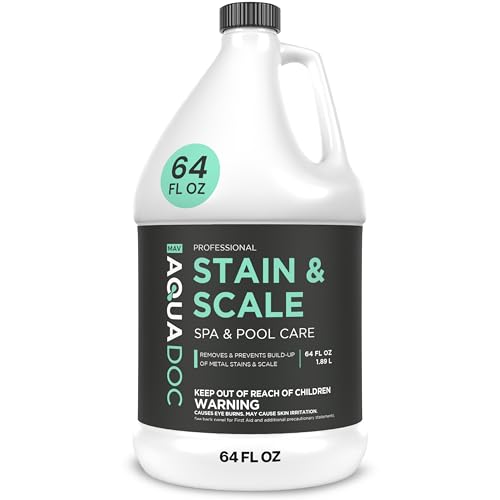
Compatibility varies in how specifically it is documented. HTH 67059 says it works with all swimming pools. GLB Calcium Hardness Up names chlorine, bromine, ozone, saltwater, and biguanide sanitizer systems. MAV AquaDoc identifies chlorine and saltwater systems and also covers in-ground and above-ground pools. Pool Time specifically lists saltwater use. These statements are useful when the pool uses a system beyond a conventional chlorine setup.
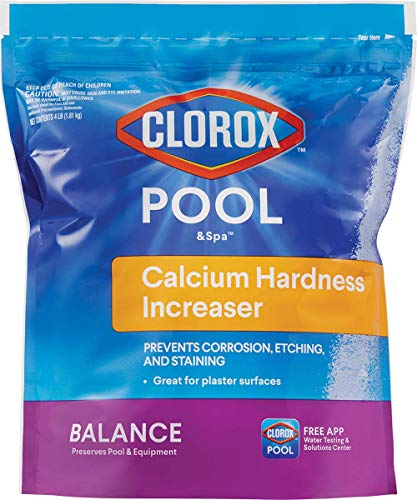
If the listing does not name your pool type or sanitizer, do not assume compatibility solely from the product name. Clorox Pool&Spa gives a more targeted compatibility note for plaster pools and soft-water areas. That makes it particularly relevant when the pool surface and local water conditions match the stated use case.
Look for a target range and a measurable dose
A target range makes the correction easier to plan, but the ranges in these listings are not identical. HTH gives 200-500 ppm, while Robelle, Puri Tech, and MAV AquaDoc list 200-400 ppm. Those figures should be treated as product-listing guidance, not as a universal substitute for the pool manufacturer’s instructions or professional water-care advice.
Dose information is equally important. In The Swim states that its listed amount raises hardness 50 ppm per 10,000 gallons. Robelle states that 8 ounces raises hardness 10 ppm per 5,000 gallons, and Leslie’s gives a 10 ppm increase per 1-1/the current price in 10,000 gallons. Puri Tech supplies a chart for pools from 2,000 to 20,000 gallons. These details help reduce guesswork, but always measure the product and account for the actual pool volume.
Consider package size before buying
Small packages can be easier to store and may suit occasional correction. Pool Time and Clorox Pool&Spa offer 4-pound formats, while MAV AquaDoc lists a 5-pound package. These sizes can be practical when the pool needs a limited adjustment or storage space is restricted.
Larger packages make more sense when the pool is large or hardness corrections are repeated. In The Swim, Robelle, Puri Tech, and Doheny’s list 25-pound options. A large bag or bucket may reduce the need for repeat purchases, but it also requires more secure, dry storage and careful handling. A mid-size choice such as Leslie’s 8-pound package or GLB’s listed package can sit between those extremes.
The selected products describe calcium chloride in several forms. Doheny’s identifies 100% granular calcium chloride, Puri Tech lists 94% calcium chloride, and MAV AquaDoc describes calcium chloride flakes. In The Swim describes fast-dissolving granules. Formula wording can help compare products, but it does not independently establish a performance advantage.
Application instructions also differ. Puri Tech says to premix in a bucket and includes a dosage chart. In The Swim describes a measure, pour, and circulate process. GLB says the product can be poured directly into the pool, while MAV AquaDoc says to add it while the circulation system is running. Follow the selected product’s instructions rather than combining directions from different brands.
Check the protection claims that matter to your pool
Low calcium hardness is commonly associated in these listings with corrosive water and damage to surfaces or equipment. Clorox Pool&Spa names corrosion, etching, and staining; HTH adds liners, metal, and plastic surfaces; Pool Time names equipment corrosion and pool-surface etching.
The best swimming pool calcium balancers are not necessarily the ones with the longest feature list. Prioritize evidence that matches your decision: a compatible system, a dose tied to pool volume, a package you can store safely, and protection claims relevant to your pool surface and equipment.
Use the label as the final authority
This comparison is based on public listing data, not hands-on testing. Product formulas, packaging, and instructions can change, and the supplied listings do not establish independent performance results. Before application, verify the current label, calculate the pool volume, follow any premixing or circulation directions, and keep pool chemicals stored according to the manufacturer’s instructions. Do not use a target range from one product as a substitute for the directions supplied with another.
Final Recommendation
HTH 67059 Calcium Hardness Up ranks first overall in this specification-based comparison under the published weighted criteria.
HTH 67059 Calcium Hardness Up is the first overall specification-based choice in this comparison.
Its all-pool compatibility claim, stated 200-500 ppm range, and broad protection description give it a balanced evidence profile. It is followed by Puri Tech for its resealable bag and gallon-range dosage chart, and In The Swim for its large package and specific volume-based dosing guidance.
For detailed volume-based planning, In The Swim and Robelle provide strong numeric dosing information. Puri Tech is especially practical when a resealable package and gallon-range chart matter. GLB and MAV AquaDoc are useful for owners who need clearly documented compatibility across different pool or sanitizer systems. Clorox Pool&Spa fits plaster pools and soft-water conditions, while Pool Time is a compact saltwater-oriented option.
Together, these products represent the top swimming pool calcium balancers for different specification-based needs rather than a single universal formula. Select by pool system, tested hardness level, required dose, and package size. The best swimming pool calcium balancers should be used as directed and verified against current label instructions.
Frequently Asked Questions
What do the best swimming pool calcium balancers do?
They raise calcium hardness in pool water. The selected listings describe this as a way to help reduce problems associated with low hardness, including corrosion, etching, staining, scaling, or equipment damage. They do not replace testing or other parts of a complete water-balancing routine.
How should I choose between a 4-pound and 25-pound package?
Base the choice on pool volume, how often corrections are needed, and available storage. A 4-pound product such as Pool Time or Clorox Pool&Spa may suit a smaller or occasional adjustment. A 25-pound product such as In The Swim, Robelle, Puri Tech, or Doheny’s may be more appropriate for repeated treatment or larger pools, provided it can be stored safely.
In The Swim provides a dose tied to a 50 ppm increase in 10,000 gallons. Robelle gives an 8-ounce amount for a 10 ppm increase in 5,000 gallons, and Leslie’s provides a 10 ppm increase per 1-1/the current price in 10,000 gallons. Puri Tech includes a chart covering 2,000-20,000 gallon pools. Always use the current product label for the final calculation.
Are these products suitable for saltwater pools?
Some selected listings explicitly say so. MAV AquaDoc names saltwater systems, GLB lists saltwater compatibility, and Pool Time specifically states that it can be used in saltwater pools. HTH says it works with all swimming pools. If saltwater compatibility is important, favor products with that detail on the current label rather than assuming it from a generic calcium chloride description.
Can I add calcium hardness increaser directly to the pool?
Application instructions differ. GLB describes direct pouring, In The Swim describes measuring, pouring, and circulating, and MAV AquaDoc says to add it while circulation is running. Puri Tech says to premix in a bucket. Follow the selected product’s instructions exactly, and do not transfer directions from one formula to another.