Buying Guide
The best ceramic garden pots bring together sturdy clay construction, a sensible drainage system, and a finish that fits your space. Whether you grow herbs on a kitchen sill or anchor a patio with large statement planters, the same fundamentals apply.
Choosing the Right Size and Set Count
Start by matching pot diameter to the root ball. A 4 to 5 inch pot suits succulents and small cacti, 5 to 7 inch pots handle herbs and medium houseplants, and 8 inch or larger pots support ornamentals, snake plants, and small shrubs.
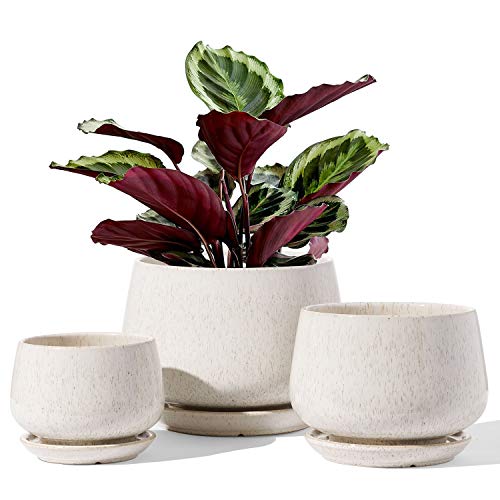
Sets that nest multiple sizes, like the LE TAUCI three-piece lines or the SOUJOY purple set, give you a clear progression from propagation to maturity. Single pots such as Deep Dream or Xiaan Jiaju work better as deliberate accent pieces where one focal plant is the goal.
Drainage Design Matters
Healthy roots need oxygen as much as water. Prioritize pots with one or more drain holes at the base, plus mesh pads to keep soil from washing out.
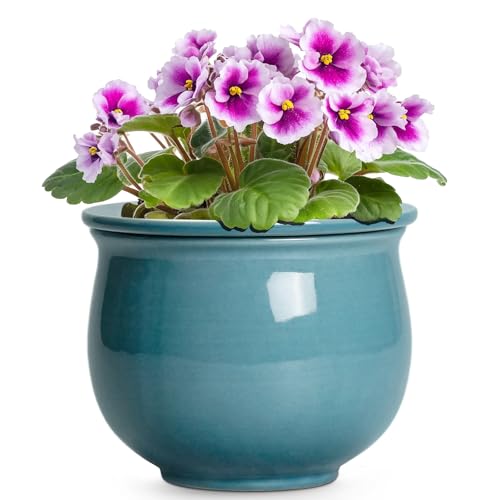
If you travel often or struggle with watering schedules, a self-watering model such as the Teagas African violet planter uses an absorbent inner pot to wick moisture upward, reducing the number of times you need to water for moisture-sensitive plants.
Material, Glaze, and Finish Quality
High-temperature fired ceramics offer long service life, resisting fading, warping, and surface chipping under sun and weather exposure.
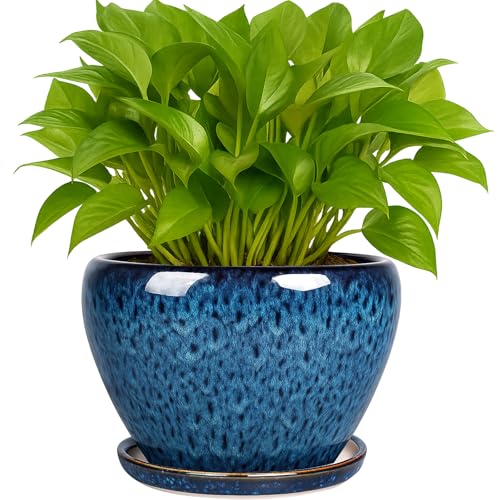
For minimalist interiors, smooth white or sage glazes like the LE TAUCI footed white set blend easily. Bold colors such as the Deep Dream peacock blue or Selamica assorted set act as accents on neutral shelves.
Indoor and Outdoor Versatility
Most fired-ceramic pots tolerate both indoor and outdoor placement, though you should still consider weight. For balconies and patios, heavier pots reduce tipping, while for renters, lighter sets simplify repositioning.
Plant Compatibility
Always pair pot depth with root depth. Shallow 4 inch pots suit succulents and cacti. Medium 5 to 6 inch pots work for herbs, African violets, and small ferns. Deep 7 to 8 inch pots are the right starting point for snake plants, peace lilies, and orchids. Pots with attached saucers, such as Hlukana and Selamica, are helpful for moisture-loving plants that need steady humidity without water leaking onto furniture.
Build Quality and Longevity
Look for high-temperature fired ceramic if you want pots that survive repeated watering cycles and seasonal outdoor exposure. Smooth interior glazes (LE TAUCI, SOUJOY) make seasonal cleaning simple, while unglazed interiors like the LE TAUCI reactive beige set help regulate moisture for sensitive plants.
Final recommendation
LE TAUCI Stripe Ceramic Garden Pots, Set of 3 (Reactive Glaze Green) ranks first overall in this specification-based comparison under the published weighted criteria.
The final choice among the best ceramic garden pots depends on the documented features that match your intended use.
Among the top ceramic garden pots in this comparison, the LE TAUCI stripe ceramic garden pot set earns the highest overall specification-based score, pairing a wide 5.5 to 8 inch size range with reactive glaze styling, large drain holes, mesh pads, and silicone plugs. It works equally well for indoor shelves and outdoor patios, and remains the most specification-aligned option for someone wanting coordinated sizes within a single purchase. For buyers chasing similar design depth in a smaller footprint, the footed LE TAUCI white set and the Hlukana trio offer comparable quality with lighter frames.
Quick Tips Before You Buy
- Always check that drain holes are unobstructed and that saucers are included, attached, or matching in size.
- Confirm interior glaze type: unglazed interiors absorb moisture, glazed interiors repel it.
- For outdoor use, heavier pots stay put in wind but require effort to reposition.
- Reactive glazes produce slight color variation, which adds character but may not suit strictly uniform displays.
Frequently Asked Questions
What size ceramic garden pot should I choose for succulents?
A 4 to 5 inch diameter is sufficient for most succulents, cacti, and small herbs.
Do the best ceramic garden pots always need drainage holes?
For most houseplants, yes. Drainage holes prevent root rot by letting excess water escape, and pairing them with a matching saucer (as on LE TAUCI and Selamica pots) protects furniture. Self-watering designs such as the Teagas African violet pot use a different system with an absorbent inner pot and an outer reservoir, so the principle of controlled moisture still applies.
Can ceramic pots stay outdoors year-round?
High-temperature fired ceramic can handle both indoor and outdoor conditions when specified by the manufacturer.
How does reactive glaze differ from solid glaze?
Each pot ends up subtly unique, which is part of the appeal. Solid glazes, like the smooth surface of the Deep Dream 6 inch pot, deliver a more uniform finish that suits minimalist displays.
Are vintage distressed ceramic pots durable for everyday use?
Yes. They resist weather and UV as well as smoother glazes, but the textured surface may collect dust more visibly, so plan for occasional wiping.