Buying Guide
Compressed drawing charcoals are bound charcoal sticks made by compressing charcoal powder with a gum or wax binder, producing denser and more controllable marks than raw vine or willow sticks. They are a strong match for artists who want deep blacks, repeatable line weight, and the ability to layer rich tones without constantly reloading. This guide walks through the specifications that actually shape performance so you can compare the best compressed drawing charcoals with confidence.
Hardness Range and Grade Spread
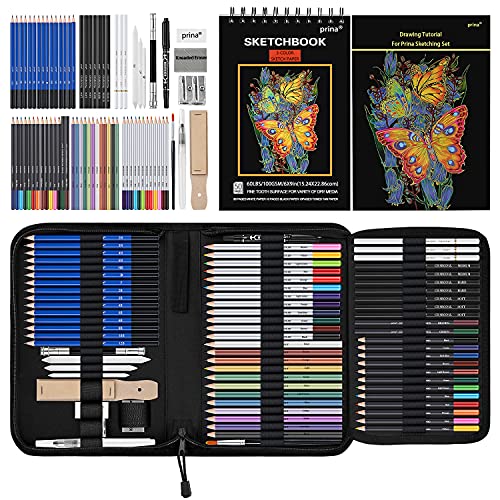
Compressed charcoal is graded much like graphite, from extra soft through hard. Soft grades lay down more pigment with less pressure, which helps with smooth blending and atmospheric backgrounds. Hard grades hold a point and support crisp outlines, crosshatching, and fine textures. Many of the top compressed drawing charcoals in this comparison document three grades, such as soft, medium, and hard, while larger kits document four grades including extra soft. If you regularly switch between broad tonal areas and detailed line work, prioritize a set that documents a clear spread across at least three grades.
Tonal Control and Black Intensity
The binder ratio in compressed charcoal affects how dark and how controllable each stroke is. Sets that document a denser black and a smooth surface, such as the Pacific Arc soft 12-pack, target artists who want maximum darkness in a single grade. Multi-grade sets like the Faber-Castell Pitt 24-piece, KALOUR 24-piece, and Dlicoda 24-piece allow you to push darkness by selecting a softer stick rather than pressing harder, which can protect paper tooth.
Compressed charcoal sticks come in square, rectangular, or round profiles. Square and rectangular sticks expose a broad flat edge that fills large areas quickly and a narrow edge for thinner lines. Round sticks feel more like a pencil in the hand and roll evenly across the page. The PANDAFLY, MyLifeUNIT, and BRING BETTER TO WORLD 12-packs document a square format with a large flat surface for shading. Round formats, like the Pacific Arc set, are documented for a comfortable grip during longer sessions.
Durability and Break Resistance
Compressed sticks can snap if dropped or pressed too hard, so durability is a real specification to check. Several products in this comparison document a high-temperature firing or cooking process, including PANDAFLY, MyLifeUNIT, Pacific Arc, and BRING BETTER TO WORLD, with the stated benefit of reduced breakage. The Faber-Castell Pitt 24-piece set documents a metal case, while KALOUR documents a sponge insert inside its gift box, both of which help protect sticks during storage and transport.
Set Completeness and Accessories
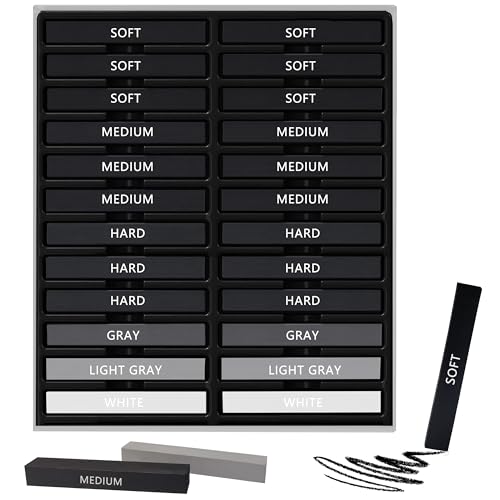
Some sets stop at the charcoal itself, while others bundle tools that broaden what you can do. The Faber-Castell Pitt 24-piece set documents a paper wiper blender and a kneadable art eraser, the KALOUR 15-piece documents paper blender stumps, and the XQIGI 8-piece documents large gray kneaded erasers. Pastel sticks in gray, light gray, and white are documented in the KALOUR 15-piece, KALOUR 24-piece, and Dlicoda 24-piece sets, which lets you extend the tonal range into highlights within the same kit.
Highlight and Tonal-Extension Capability
If you work in layers from dark to light, look for kits that include white charcoal or light pastels alongside black. White compressed charcoal lifts values and creates highlights on toned paper. Kneaded erasers, like those in the XQIGI 8-piece, also act as highlight tools by lifting charcoal from the paper surface.
Paper Compatibility and Blendability
Compressed charcoal behaves differently on smooth Bristol, mid-tooth sketching paper, and rough textured paper. Softer grades suit smoother surfaces, while harder grades keep their edge on rougher paper. Many of the products here document erasable and blendable behavior, including PANDAFLY, MyLifeUNIT, and Dlicoda. Faber-Castell Pitt compressed sticks are documented as grease and oil free, which supports consistent application on prepared surfaces.
Practical Tips for Choosing the best compressed drawing charcoals
Match the kit to your dominant technique. A multi-grade 24-piece set such as the Faber-Castell Pitt 24-piece or the Dlicoda 24-piece covers most studio needs. A focused 12-pack with three grades, such as the PANDAFLY, Aenir, or BRING BETTER TO WORLD sets, fits travel and classroom use. If you want highlights without buying a second kit, choose a set that documents white charcoal or light pastels. Look for documented durability features like high-temperature firing, metal cases, or sponge inserts if you carry your supplies.
Final Recommendation
Faber-Castell 24-Piece Pitt Charcoal Set ranks first overall in this specification-based comparison under the published weighted criteria.
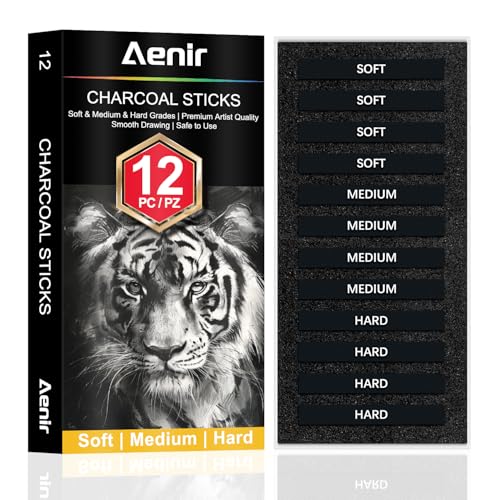
The Faber-Castell 24-Piece Pitt Charcoal Set is the first overall specification-based choice among the best compressed drawing charcoals, because it documents the widest combination of compressed and natural charcoal grades in pencil and stick form, alongside a kneadable eraser and a paper wiper blender in a metal case. Among the top compressed drawing charcoals for tonal range in a single box, the Dlicoda 24-Piece Compressed Charcoal and Pastel Kit stands out by documenting three charcoal grades plus gray, light gray, and white pastel sticks, while the KALOUR 24-Piece Pro Charcoal Drawing Set offers a similar charcoal-plus-pastel combination with a documented emphasis on hard and medium grades for line work. If you want a smaller pro kit, the KALOUR 15-Piece Pro Charcoal and Pastel Set documents blending stumps, and if you want a straightforward three-grade charcoal set, the PANDAFLY 12-Pack and the Aenir 12-Piece both document a balanced 4-4-4 split across soft, medium, and hard.
Frequently Asked Questions
Among the best compressed drawing charcoals, how do compressed charcoal sticks differ from vine or willow charcoal?
Compressed charcoal sticks are made by binding charcoal powder with a gum or wax, which makes the marks denser, darker, and more controllable than raw vine or willow sticks. Vine and willow charcoal is best for light blocking and initial layouts, while compressed charcoal is best for finished darks and detailed shading.
Can I use compressed charcoal for highlights as well as dark areas?
Yes, but you need a white or light variant.
What is the best way to store compressed charcoal sticks so they do not break?
Choose sets that document protective packaging such as the Faber-Castell Pitt 24-piece metal case or the KALOUR gift box with sponge insert. Keeping sticks in a stable case and avoiding pressure on them during transport reduces snapping. Breaking long sticks into shorter segments before use, as documented in the Aenir 12-piece description, can also reduce the chance of breakage during sketching.
Do I need blending stumps or can I blend with my fingers?
Both work, but tools give more control. The KALOUR 15-Piece documents paper blender stumps, and the Faber-Castell Pitt 24-Piece documents a paper wiper blender, both of which help lift and spread charcoal without disturbing the paper tooth. Fingers can smudge softer grades, although oils from skin may affect how the charcoal lays down.