Buying Guide
Choosing among the best copper coffee makers starts with the brewing method, not the color. In this comparison, copper can mean a polished exterior finish, a copper-colored coating over stainless steel, or a genuine copper brewing vessel. Those are materially different designs, so the first question is how you make coffee and how much you normally serve.
Choose the brewing method first
For conventional full-pot coffee, the Cuisinart DCC-3200CPAMZ and Ninja DCM201CP are the most automation-focused options. Both are 14-cup drip machines, but their controls differ. The Cuisinart documents 24-hour programmability, brew-strength control, a 1–4-cup setting, self-cleaning, adjustable warming, and auto shutoff. The Ninja adds Classic and Rich brew styles, a small-batch function, a freshness timer, a removable reservoir, and three warming settings.
Electric percolators provide a different experience. The Euro Cuisine PER04 is a 4-cup model with a brewing indicator, glass knob, keep-warm function, and dripless gooseneck spout. The Mixpresso is also compact, with 32 ounces of listed capacity, an indicator light, keep-warm function, removable filter basket, and cool-touch handle. The Moss & Stone is the larger percolator choice, listing a 54-ounce capacity and removable power cord. Percolators cycle hot water through coffee grounds, so select one when that brewing style is specifically appealing rather than assuming it works like a drip machine.
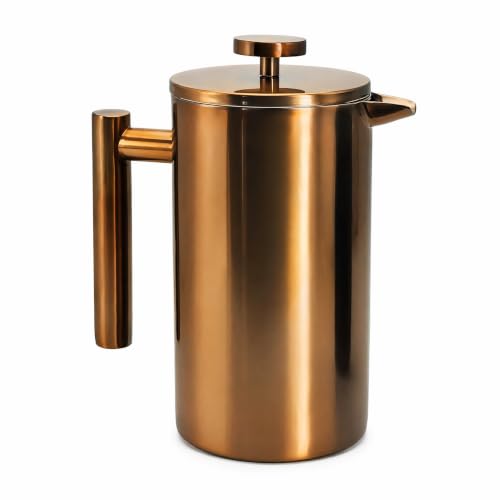
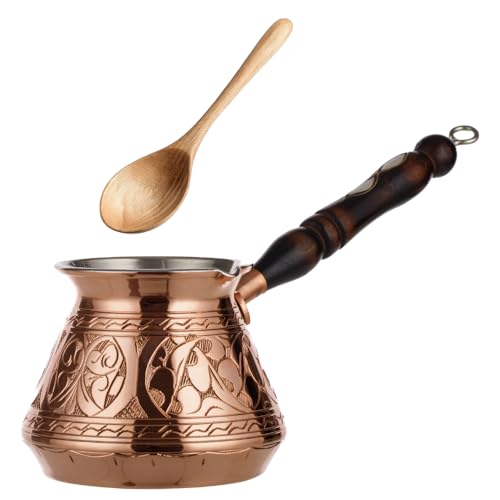
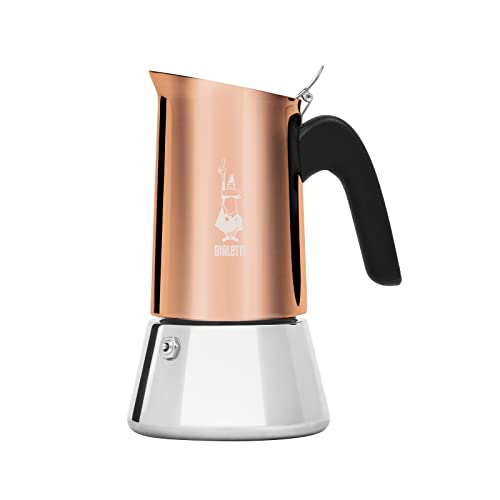
Manual brewers divide into presses and stovetop pots. The Bodum Chambord is a traditional French press with a glass carafe and stainless-steel plunger. The YJX French press uses a double-wall stainless-steel body and multilayer filtration, making it the insulated alternative. For concentrated stovetop coffee, the Bialetti New Venus is an induction-ready stainless-steel model with a copper-silver finish. The YJX and DEMMEX pots are Turkish-style cezves, with pure or lined copper construction and much smaller serving capacities.
Match capacity to your routine
Listed cup counts are not directly comparable across brewing methods. The Cuisinart and Ninja are designed for large carafes, while the Bodum and YJX press provide roughly a liter or 34 ounces. The Euro Cuisine and Mixpresso target smaller electric batches. The DEMMEX 9-fluid-ounce pot is listed for three Turkish coffee servings, and the YJX 19.6-ounce pot is a larger small-batch vessel.
Think in terms of finished servings rather than the number printed on a package. A large household or entertaining setup will generally benefit from a 14-cup drip brewer or the larger Moss & Stone percolator. A single drinker, office station, or traditional coffee routine may be better served by the Bialetti, a French press, or a cezve. Smaller vessels also heat and pour in a different way, so capacity should be considered alongside the intended ritual.
Compare copper construction with copper finish
The category includes three useful construction groups. The pure-copper YJX Turkish pot explicitly states 100% pure copper and a 1.2 mm body. The DEMMEX lists a 1 mm copper body and a food-safe tin-lined interior. These are the most direct choices when copper itself is central to the purchase.
Several other products use copper as an exterior finish. The Bialetti New Venus is specified as 18/10 stainless steel with a copper-silver color. The Bodum combines borosilicate glass with a stainless-steel frame and copper color. The YJX French press has a double-wall stainless-steel body with a copper finish, while the electric machines similarly document stainless-steel construction or copper finishes. This does not make them inferior; it simply means the appearance and the brewing material are not the same thing.
Consider control and serving details
Programmability matters most for drip machines. The Cuisinart and Ninja both support delayed brewing, while the Ninja also provides a removable water reservoir and freshness timer. For electric percolators, look for serving features instead. The Euro Cuisine has a dripless gooseneck spout and detachable cord; the Mixpresso lists a cool-touch handle and indicator light; the Moss & Stone lists a removable cord.
Manual makers trade automation for direct control. The Bialetti instructions describe filling the pot with ground coffee, closing it, heating it, and turning off the heat when it begins to gurgle. The Turkish pots require close attention to stovetop brewing, but the supplied evidence supports that traditional use rather than automatic operation. Handles also matter: the YJX pot uses wood, DEMMEX uses wood, and the French presses document ergonomic or comfortable grip designs.
Review cleaning and filtering requirements
Reusable filtration is a recurring advantage in the best copper coffee makers. The Cuisinart includes a permanent gold-tone filter, the Euro Cuisine uses a reusable filter, and the French presses use stainless-steel mesh systems. The Bodum is described as easy to clean, while the YJX French press is designed around removable multilayer mesh filtration.
Care varies substantially. Bialetti specifies rinsing components with water and avoiding detergent or the dishwasher. Mixpresso recommends hand washing to preserve the finish. DEMMEX documents an easy-to-clean tin-lined interior, while the glass Bodum carafe should be handled with appropriate care. Before buying, check whether your preferred routine allows hand washing, removable parts, or dishwasher-safe components.
Final recommendation
Cuisinart DCC-3200CPAMZ 14-Cup Copper Coffeemaker ranks first overall in this specification-based comparison under the published weighted criteria.
The final choice among the best copper coffee makers depends on the documented features that match your intended use.
Cuisinart DCC-3200CPAMZ is the highest-scoring returned product and the first overall specification-based choice for large, programmable drip batches. It combines capacity, scheduling, strength control, a smaller-batch setting, warming adjustment, and a permanent filter. The Ninja DCM201CP is the better alternative when two brew styles, a removable reservoir, and a freshness timer matter more.
Among the top copper coffee makers for electric percolation, the Euro Cuisine PER04 is the most feature-complete small option, while the Moss & Stone suits larger groups and the Mixpresso fits compact stations. Choose the Bodum Chambord for a classic glass French press or the YJX press for insulated stainless steel. For true copper stovetop preparation, the YJX pure-copper pot and DEMMEX lined cezve are the most direct matches. The Bialetti New Venus is the better fit for a compact stovetop brewer that must work across common hob types.
Frequently Asked Questions
What are the best copper coffee makers for a large household?
The Cuisinart DCC-3200CPAMZ and Ninja DCM201CP are the clearest large-household choices because both list 14-cup carafes. The Moss & Stone also documents a 54-ounce percolator capacity, but it uses a different brewing method and has fewer documented controls.
Are copper coffee makers made entirely from copper?
No. The supplied products show several constructions. The YJX Turkish pot states that it is made from 100% pure copper, and DEMMEX lists a 1 mm copper body. By contrast, the Bialetti New Venus is stainless steel with a copper-silver finish, and the Bodum combines glass and stainless steel with copper color.
Which copper coffee maker works on induction?
The Bialetti New Venus is the selected model explicitly described as suitable for all types of hobs, including induction. The YJX Turkish pot is specified for gas stoves, while DEMMEX is specified for gas and electric stovetops. Verify the cooktop guidance for any model before use.
Is a French press a good alternative to a drip machine?
It can be, if you prefer manual brewing and do not need scheduling or automatic warming. The Bodum offers a glass 1-liter format with a stainless-steel plunger, while the YJX press offers a 34-ounce insulated stainless-steel body and multilayer filtration. Neither provides the programmable controls documented on the Cuisinart or Ninja.
How should a copper coffee maker be cleaned?
Follow the individual listing rather than applying one rule to every design. Bialetti specifies rinsing with water and avoiding detergent or the dishwasher. Mixpresso recommends hand washing, while the Euro Cuisine listing identifies dishwasher-safe components. Copper pots, lined interiors, glass carafes, and electric bases each have different care needs.