Buying Guide
Choosing among the best dairy-free omega-3 supplements starts with identifying the source of the fatty acids. The selected products use three documented approaches: algae oil, plant oils such as flaxseed, and a children’s gummy based on flaxseed-derived ALA. Algae formulas are the most common option in this comparison and are described as providing DHA, EPA, DPA, or a combination. ALA appears in flaxseed-based products. These forms are not interchangeable on the label, so compare the actual nutrient names and amounts rather than relying on the front-of-bottle omega-3 total.
Algae oil versus flaxseed oil
Algae oil is the dominant design among the selected softgels. Micro Ingredients lists DHA and DPA from algal oil and adds flaxseed oil and ALA. Youtheory identifies EPA and DHA from algae oil, while Sapling gives separate DHA and EPA amounts. Freshfield lists DHA and DPA per softgel. These products are useful for shoppers who want the listing to identify long-chain omega-3 forms directly.
Flaxseed-derived ALA is a different design. MARYRUTH’S uses ALA in a pectin gummy for children, and Purity Products includes flaxseed oil within a wider omega 3-6-9 blend. ALA is still an omega-3 fatty acid, but the supplied listings do not present it as DHA or EPA. Read the source and fatty-acid line together before selecting a formula.
Check the amount per serving
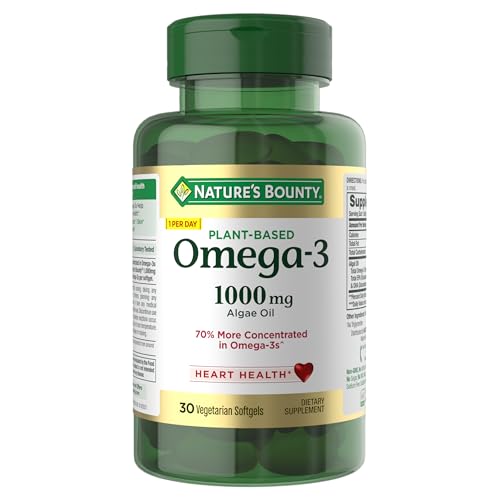
Serving information varies considerably. Nature’s Bounty lists 520 mg of omega-3 fatty acids and 510 mg of EPA and DHA in one softgel. Sapling lists 550 mg total omega-3s, including 300 mg DHA and 150 mg EPA per serving. Micro Ingredients uses a three-softgel serving and provides 500 mg DHA, 100 mg DPA, and 40 mg ALA. Freshfield states 225 mg DHA and 35 mg DPA per softgel and describes one or two capsules per day.
A larger number on the package does not automatically explain the nutrient profile. Look for whether the amount refers to oil, total omega-3, or a specific fatty acid. Carlyle, for example, lists 250 mg of omega-3 fatty acids per softgel and identifies algae-derived DHA, but the supplied evidence does not give a separate DHA amount. Dorado Nutrition identifies DHA and EPA without supplying their quantities. This distinction matters when comparing labels.
Most selected products are softgels, including Micro Ingredients, Youtheory, Sapling, AMANDEAN, Freshfield, Dorado Nutrition, Nature’s Bounty, and Carlyle. Softgels may suit adults who prefer a compact capsule format, but serving sizes range from one to three softgels in the supplied evidence. Confirm the serving direction on the current label before using a product.
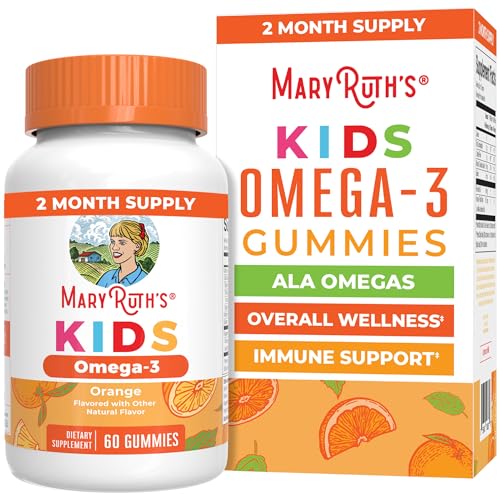
MARYRUTH’S is the only selected gummy. Its pectin-based, orange-flavored design is intended for children ages four and older, and the listing gives a one-gummy-per-day direction or advice to follow a physician or healthcare professional. It may be a better format for a child who does not use capsules, but the listing does not state the amount of ALA per gummy.
Review dietary statements carefully
Vegan wording is a strong indicator of a dairy-free design, but explicit statements are still useful. Micro Ingredients says the formula is made without dairy, while Carlyle specifically lists milk and lactose among its exclusions. MARYRUTH’S states dairy-free and also identifies the product as nut-free and gluten-free. The other algae products are described as vegan or plant-based, which supports dairy-free selection, although their supplied evidence may not list every excluded ingredient.
Capsule materials can also matter. AMANDEAN describes a tapioca-based softgel, and MARYRUTH’S identifies pectin rather than gelatin. Micro Ingredients and several other formulas mention carrageenan-free construction. These details help shoppers screen for a particular dietary or formulation preference, but they do not by themselves establish the amount or type of omega-3.
Look for quality and sourcing details
The listings document different forms of quality information. Micro Ingredients says its products must pass third-party lab tests. Freshfield describes independent testing for purity, potency, and heavy metals and says a certificate of analysis is available on request. Dorado Nutrition states that its capsules are made in a GMP-certified facility and independently tested. Youtheory cites a GMP-certified facility and third-party testing, while Sapling identifies a GMP-certified and FDA-registered bottling facility.
Sourcing details can also help distinguish formulas. Sapling says its algae is grown in the United States. Dorado Nutrition states that it is manufactured in the USA from globally sourced ingredients. AMANDEAN says its marine algae is grown in the USA. These statements describe the supplied listing evidence; they are not a substitute for checking the current package, certificate, or manufacturer instructions.
Purity Products is a blend designed around omega 3-6-9, with flaxseed, olive, borage, pomegranate, and sacha inchi oils. That broad ingredient approach may appeal to someone specifically seeking several fatty-acid types. By contrast, Sapling, Youtheory, Freshfield, and Nature’s Bounty focus their descriptions on algae-derived omega-3s and document DHA, EPA, or both. Choose based on whether you want a focused omega-3 label or a multi-oil formula.
Final Recommendation
Micro Ingredients Vegan Omega 3 Algae Oil ranks first overall in this specification-based comparison under the published weighted criteria.
Micro Ingredients Vegan Omega 3 Algae Oil is the first overall specification-based choice among these best dairy-free omega-3 supplements. Its listing gives the clearest combination of source, nutrient breadth, serving details, and dietary exclusions: 500 mg DHA, 100 mg DPA, 40 mg ALA, and 80 mg flaxseed oil per three-softgel serving, plus explicit dairy-free and fish-free positioning.
Youtheory is a strong alternative when a listed 770 mg plant-based omega-3 total and algae-derived EPA and DHA are more important than separate fatty-acid quantities. Sapling is another clear choice for shoppers who want individual DHA and EPA figures. Freshfield adds per-softgel DHA and DPA information with testing details. Nature’s Bounty stands out for its one-softgel format and stated EPA/DHA total, while Carlyle offers especially direct milk and lactose exclusions.
The top dairy-free omega-3 supplements are not identical: some provide DHA and EPA from algae, some emphasize ALA or additional fatty acids, and one is a children’s gummy. Compare the nutrient line, source, serving size, dietary statements, and documented testing before choosing. These are specification-based observations from public listing data, not hands-on test results.
Frequently Asked Questions
Among the best dairy-free omega-3 supplements, are algae omega-3 supplements dairy-free?
The selected algae products are described as vegan or plant-based, which supports a dairy-free fit. Micro Ingredients explicitly states that its formula is made without dairy, and Carlyle lists milk and lactose among its exclusions. For products with only vegan wording, check the current package and manufacturer information if cross-contact details are important.
What is the difference between DHA, EPA, DPA, and ALA?
They are different omega-3 fatty acids. The selected listings identify DHA and EPA in algae formulas such as Sapling, Youtheory, and Nature’s Bounty. Micro Ingredients and Freshfield also document DPA. MARYRUTH’S uses ALA from flaxseed, while Purity Products includes ALA-containing plant oils in its omega 3-6-9 blend. Compare the specific fatty acid and amount shown on the label.
Which selected product has a one-softgel serving?
Nature’s Bounty Plant-Based Omega 3 lists a one-softgel daily dose and states 520 mg of omega-3 fatty acids, including 510 mg of EPA and DHA. Carlyle lists 250 mg of omega-3 fatty acids in each vegan softgel, but its supplied evidence does not state a daily serving direction. Always follow the product’s current label.
Is there a dairy-free omega-3 gummy for children?
MARYRUTH’S Vegan Omega 3 Gummies for Kids is the selected chewable option. Its listing describes vegan, pectin-based orange gummies for ages four and older and states that the formula is dairy-free. It uses flaxseed-derived ALA, and the supplied evidence does not provide the amount of ALA per gummy.
Which product documents third-party testing?
Micro Ingredients, Youtheory, Freshfield, and Dorado Nutrition all include testing or GMP-related statements in the supplied evidence. Freshfield specifically mentions independent testing for purity, potency, and heavy metals. Micro Ingredients says its products must pass third-party lab tests. Verify the current label or manufacturer documentation for the exact batch and testing scope.