Buying Guide
Finding the best dry hair growth shampoos in 2026 starts with understanding that dry hair and thinning hair often overlap, so a formula has to handle both. The picks above are all rinse-out shampoos rather than aerosol dry sprays, which means they cleanse the scalp and lengths while delivering moisture and growth actives in one step.
Dry hair tends to have a compromised cuticle, which lets moisture escape and makes strands more prone to snapping. Pair that with shedding or thinning, and the result is hair that looks flat, feels rough, and breaks before it can grow long. Shampoos that lean heavily on harsh cleansers tend to make the dryness worse, while thickening formulas without enough hydration can leave hair feeling straw-like. The best dry hair growth shampoos thread the needle by combining strengthening actives with oils or proteins that replenish the strand.
Key Ingredients to Look For
A few ingredient categories appear again and again in the top dry hair growth shampoos above. Knowing them helps you compare options at a glance.
Growth-Supporting Actives
Biotin, rosemary extract, peptides, saw palmetto, and Panax ginseng are the most common growth actives in this category. Biotin focuses on keratin infrastructure, rosemary supports scalp circulation, and peptides reinforce the strand at the surface. Saw palmetto and ginseng often appear in formulas that target thinning specifically.
Moisturizing Oils and Butters
Look for argan oil, coconut oil, batana oil, jojoba oil, babassu seed oil, glycerin, or squalane. These ingredients replace the lipids that dry hair is missing and help the shampoo leave the hair softer than it went in. Glycerin in particular is a humectant, pulling water toward the strand.
Strength-Building Proteins
Hydrolyzed keratin and rice protein are two options that physically fill gaps in the cuticle. They are especially relevant for brittle, breakage-prone textures that also feel dry.
Gentle Cleansers
Sulfate-free or low-lather formulas are common across the best dry hair growth shampoos because they clean the scalp without stripping the oils that protect the lengths.
Liquid rinse-out shampoos dominate this category, but they come in different packaging and sizes that affect routine design.
Sets vs Single Bottles
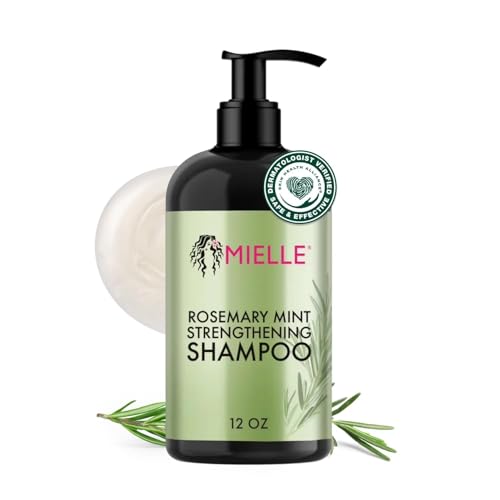
Single bottles like Mielle, RootStim, and OGX give you flexibility to mix with your existing conditioner.
Bottle Size and Frequency of Use
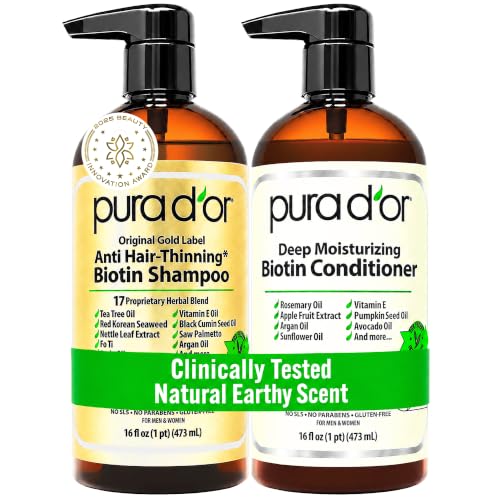
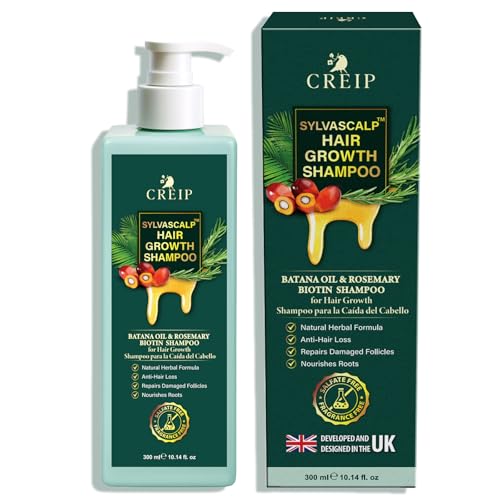
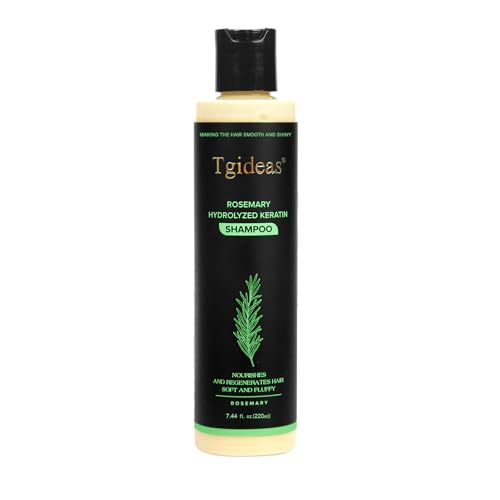
Larger 12 to 16 fl oz bottles, including Dove Derma Scalp, PURA D’OR, and OGX ProGrowth, tend to fit daily or frequent washers. Smaller 7 to 10 fl oz sizes, like Tgideas and Creip, suit occasional washers or those who rotate products.
Scalp Considerations
If your scalp is sensitive, flaky, or oily at the roots yet dry at the ends, look for formulas with soothing ingredients such as aloe vera, tea tree, or citric acid. Creip’s fragrance-free, sulfate-free base and Dove’s dermatologist-developed approach are two examples tailored to reactive scalps. For buildup-prone scalps, an exfoliating option such as OGX’s mandelic acid clarifying shampoo can clear the way for better growth-actives absorption.
Hair Type Matching
Curly, coily, and textured hair often benefits from richer oil and butter blends, which is why Mielle’s babassu and coconut oil pairing stands out for those curl types. Fine or thinning hair that still feels dry usually does better with featherweight proteins like Kitsch rice water or volumizing formulas such as Maple Holistics, since heavier oils can flatten fine strands.
Sensitivities and Clean-Beauty Preferences
Several of the dry hair growth shampoos are sulfate-free, paraben-free, or vegan. Maple Holistics leads on the vegan and clean beauty side, while Creip and PURA D’OR emphasize sulfate-free and fragrance-free profiles for sensitive users.
Building a Complete Routine
A single shampoo is rarely the whole answer for dry, thinning hair. Pairing a chosen shampoo with a hydrating conditioner, a weekly mask, and gentle heat habits will get more out of these formulas than any one product alone. Many of the sets listed above already handle the conditioning step, while single-bottle buyers can match their existing conditioner to the shampoo’s moisture profile.
Final recommendation
COOLKESI Hair Growth Shampoo and Conditioner Set ranks first overall in this specification-based comparison under the published weighted criteria.
For a specification-based comparison of the best dry hair growth shampoos, COOLKESI Hair Growth Shampoo and Conditioner Set is the top dry hair growth shampoos entry to start with, since it bundles a biotin and tripeptide shampoo with a conditioner designed around squalane, argan oil, and glycerin. Its combination of growth actives and a strong moisture system makes it a balanced default for dry, thinning textures. Buyers who want a single bottle can turn to Mielle Rosemary Mint for textured hair, PURA D’OR Gold Label for a sulfate-free botanical duo, or Dove Derma Scalp for a dermatologist-developed daily option. Sensitive scalps may prefer Creip’s fragrance-free herbal formula, while exfoliation-leaning users can pair OGX ProGrowth into the routine. Together, these picks represent some of the dry hair growth shampoos available in 2026 based on features, formulation breadth, and stated use cases.
Frequently Asked Questions
What makes a shampoo good for both dry hair and growth?
The best dry hair growth shampoos combine humectants, oils, or proteins to restore moisture with actives such as biotin, rosemary, peptides, or saw palmetto that support the growth side. A gentle, sulfate-free base helps prevent further moisture loss during washing.
Can the best dry hair growth shampoos be used every day?
Many of the formulas above, including Dove Derma Scalp, Mielle Rosemary Mint, and Tgideas Rosemary Biotin, are designed for daily use thanks to sulfate-free or gentle surfactant bases. If your scalp is reactive, start a few times per week and adjust from there.
Are sulfate-free shampoos better for dry hair?
Sulfate-free shampoos tend to preserve the natural oils on the scalp and lengths, which is helpful when dryness is a primary concern. They also tend to be kinder to color-treated hair, which is relevant if you dye or highlight your strands.
Do growth shampoos actually help thinning hair?
Shampoos do not regrow hair on their own, but formulas in this roundup can support the appearance of fuller, stronger strands by reducing breakage, calming the scalp, and supplying nutrients that the follicle uses. Consistent use alongside a broad routine typically gives the best results.
How long does it take to see results from a dry hair growth shampoo?
Most formulas position themselves over weeks of consistent use rather than overnight change. Improvements in softness and manageability often come first, with changes in shedding patterns appearing after several weeks of regular washing.