Buying Guide
This guide compares the best hair cutting shears for fine hair using documented blade precision and edge design, control for fine-hair cutting, handle ergonomics and adjustment, steel and edge-retention specification, and size, weight, and balance details.
What matters most for fine hair
The best hair cutting shears for fine hair should give the user a clean path through each section without requiring excessive force. Product listings cannot establish how a shear feels in practice, so this comparison focuses on documented blade construction, handle geometry, adjustment hardware, and size. A sharp or precision-ground edge is useful evidence, but it is not a substitute for professional sharpening and correct maintenance.
Fine hair can be visually delicate, so control is particularly important when trimming bangs, refining ends, or creating layers. A compact 5.75- to 6-inch shear may be easier to position for detail work. Longer models around 6.5 to 7 inches can provide more reach, but they may feel less nimble for small sections. The best choice depends on hand size, technique, and the type of haircut being performed.
Straight cutting versus texturizing shears
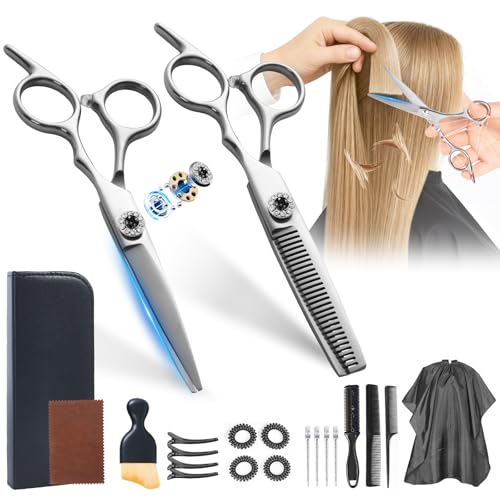
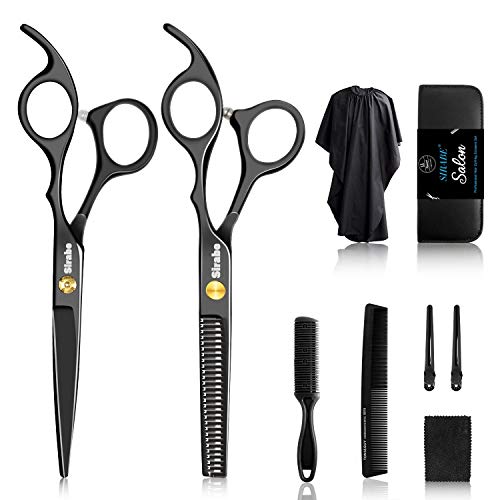
Straight cutting shears have two cutting edges and are intended for removing length, shaping outlines, and making blunt or layered cuts. The Fromm Professional Invent, FOGOSP, Fagaci ATS314, ULG 6.7-inch, Sirabe, SEIMEIKEN, Facón, and Fagaci Super models are presented as general hair cutting shears in the supplied evidence.
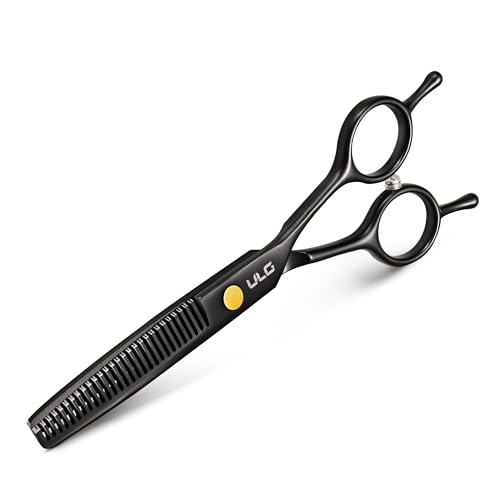
Texturizing shears use teeth on one blade to remove or blend a portion of hair rather than cutting a continuous line. The ULG 6.5-inch Thinning Shears and MISSUM Texturizing Scissors are dedicated examples in this list. They may be useful for selective refinement, but they should not be treated as replacements for straight shears when the main task is removing length. For fine hair, wider tooth spacing or a stated lower-removal design may provide more measured texturizing control.
Blade materials and edge descriptions
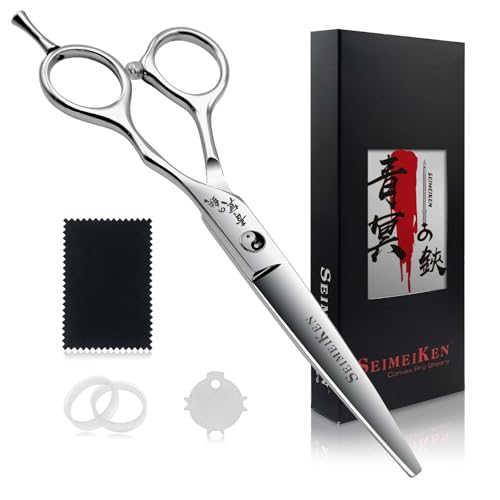
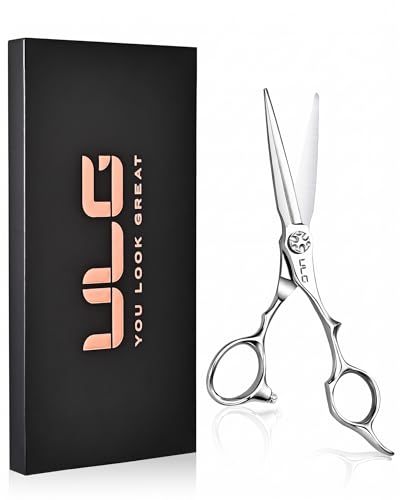
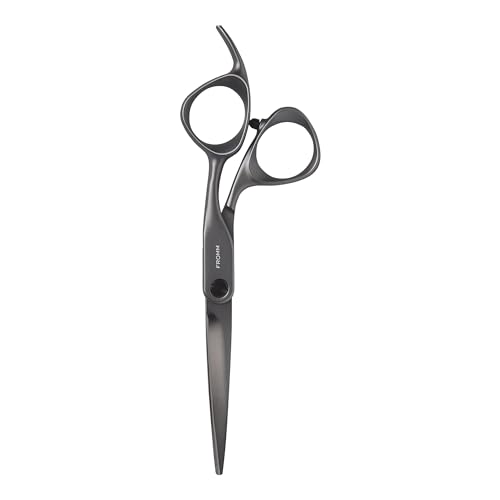
Steel information helps establish how a product is specified, though it does not independently prove service life. The FOGOSP model lists Japan VG10 cobalt steel and full CNC construction. Fromm identifies heat-treated Japanese steel and a semi-convex blade. SEIMEIKEN combines Japanese 440C steel with convex blades and gives an HRC range. The ULG 6.7-inch model also specifies Japanese 440C steel and a concave edge.
Fagaci lists ATS314 steel, sharpening, and thermal treatment. Sirabe and MISSUM identify 440C-family materials, while Facón and Fagaci Super specify Japanese stainless steel without a grade in the supplied specifications. These distinctions are useful for comparison, but avoid assuming that one steel automatically determines cutting quality. Edge geometry, sharpening, tension, and upkeep all affect how a shear is used.
Handle shape and tension adjustment
A comfortable handle can make it easier to keep the blades aligned with the section being cut. Offset handles shorten the thumb reach and may support a more neutral wrist position. Fromm documents an offset craned handle; ULG, MISSUM, and the ULG thinning model document offset designs; and SEIMEIKEN specifies a semi-offset handle. Sirabe uses a curved handle, while FOGOSP identifies a 5D ergonomic handle.
Tension adjustment is another practical specification. The ULG 6.7-inch model specifically describes a knurled screw that can be adjusted without tools. Fromm includes finger-ring inserts, and Fagaci Super says extra rings can be added. These features can help tailor grip and blade resistance, but the correct setting still depends on the user’s technique.
Choosing the right size and weight
The selected products range from 5.75 to 7 inches, with several lightweight models documenting weights near two ounces. Fromm’s 5.75-inch size, FOGOSP’s 6-inch size, and SEIMEIKEN’s 6-inch, 50-gram format may appeal to users who prioritize close control. Sirabe lists 2.21 ounces, ULG lists 2.2 ounces, MISSUM lists 2.2 ounces, and the ULG thinning model lists 2.06 ounces.
A light shear can be easier to maneuver, but weight alone does not establish balance. Finger-hole shape, handle length, pivot construction, and blade length also influence handling. Equinox lists a 6.5-inch overall length and a 3.5-ounce weight, while its 2.55-inch blade measurement gives more context than overall length alone. Compare the available dimensions with your normal working position rather than assuming that the smallest or lightest model will suit everyone.
Maintenance and safe handling
Several listings mention oiling or cleaning. Fromm recommends wiping the shear and adding oil to the screw and pivot when needed. Equinox says its shears arrive coated with lubricating oil and recommends gentle cleaning followed by drying. Follow the product’s supplied care guidance, keep the pivot free of debris, and store the shear so the blades are protected.
Sharp professional-style shears require deliberate handling. ULG’s listing specifically advises caution because the blades are very sharp. Keep fingers clear of the cutting path, close the blades when carrying the tool, and use the correct hand orientation. The ULG thinning model and ULG 6.7-inch model are identified as right-handed, so left-handed users should verify compatibility before selecting either one.
How this comparison was scored
The editorial score uses five category-specific criteria: blade precision and edge design at 30%, fine-hair control at 25%, handle ergonomics and adjustment at 20%, steel and edge-retention specification at 15%, and size, weight, and balance details at 10%. Scores reflect only the supplied listing evidence. This is not a hands-on test, and it does not summarize customer opinions. Claims such as exact service life, cut counts, or fatigue reduction were not treated as independently verified results.
Final Recommendation
SEIMEIKEN 6-inch Japanese 440C Shears ranks first overall in this specification-based comparison under the published weighted criteria.
Fromm Professional Invent is the first overall specification-based choice for the best hair cutting shears for fine hair. Its semi-convex blade, heat-treated Japanese steel, 5.75-inch size, and offset craned handle form the most balanced documented package in this comparison. FOGOSP is a close alternative for users who prioritize VG10 steel and CNC construction, while SEIMEIKEN gives detail-focused users a compact convex-blade format.
For texturizing rather than primary cutting, MISSUM and the ULG 6.5-inch Thinning Shears provide the clearest documented tooth and thinning specifications. MISSUM emphasizes wider spacing and lower removal per cut; ULG supplies a 31-tooth blade and a 2.06-ounce design. Among the top hair cutting shears for fine hair, the best match therefore depends on whether you need a straight shear for length and shape or a toothed shear for selective blending.
Frequently Asked Questions
Are straight shears or thinning shears better for fine hair?
They serve different purposes. Straight shears are intended for removing length, shaping edges, and cutting layers. Thinning shears are designed for blending or texturizing. For fine hair, start with a straight shear for the primary shape and consider a toothed model only when the intended technique calls for selective refinement. MISSUM and ULG’s 6.5-inch thinning model are the selected examples with documented texturizing designs.
What size should I choose for the best hair cutting shears for fine hair?
The selected options run from 5.75 to 7 inches. Shorter models such as Fromm’s 5.75-inch shear, FOGOSP’s 6-inch shear, and SEIMEIKEN’s 6-inch shear may offer closer positioning for detail work. Longer models may provide more reach. Hand size, blade length, and working technique matter more than a single universal size rule.
Does Japanese steel automatically make a shear better?
No. Japanese steel is one specification, not a complete performance test. The listings identify several grades and treatments, including VG10, 440C, ATS314, and unspecified Japanese stainless steel. Blade profile, sharpening, pivot adjustment, handle fit, and maintenance also affect suitability. Use the documented combination rather than relying on the material name alone.
Do these shears work for left-handed users?
Not all are identified as ambidextrous. The ULG 6.7-inch shear and ULG 6.5-inch thinning shear are specifically described as right-handed. Other selected listings do not provide a handedness specification. Left-handed users should verify the handle and blade orientation before choosing a model.
How should hair-cutting shears be maintained?
Use the care instructions supplied with the selected product. The listings commonly recommend wiping the blades, cleaning gently when needed, drying thoroughly, and applying a small amount of oil to the pivot or screw. Store the shears in a protective location, avoid using them on materials outside their documented purpose, and have sharpening handled by a qualified professional when required.