Buying Guide
Picking the best girls’ kids tricycles means focusing on specifications that match a toddler’s size, strength, and riding environment. Below is a concise comparison framework covering growth range, frame strength, wheel design, comfort, steering control, and on-board extras.
Growth Range and Stage Convertibility
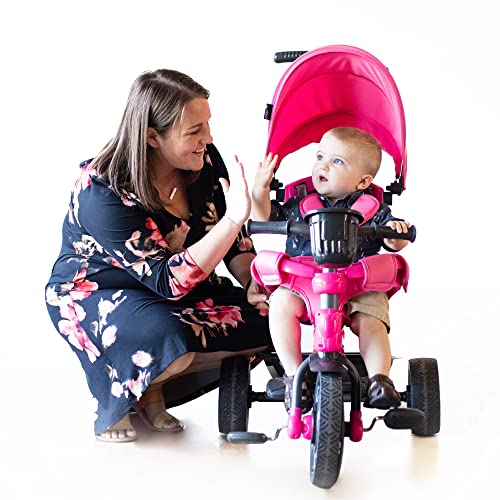
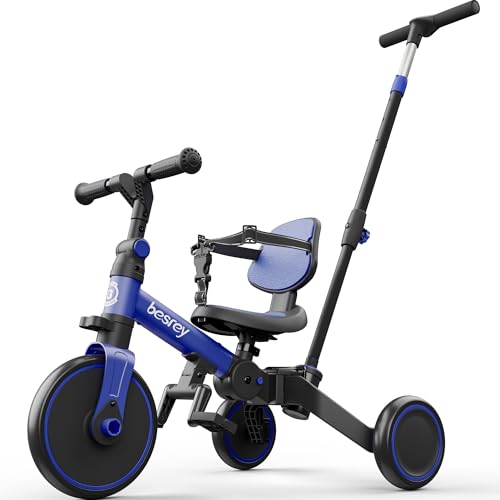
The most useful spec to check first is how a trike adapts as your child grows. Convertible designs such as the Joovy Tricycoo 4.1, SYNCFUN 5-in-1, Kkdi 5-in-1, and besrey 4-in-1 walk riders through multiple documented stages, including parent push, training trike, balance bike, and pedal trike. A wider age range typically means more years of use from a single purchase, while simpler classic trikes like the SEREED and Liberry models work best when caregivers want a straightforward pedal experience.
Frame Strength and Safety Engineering
Look at frame material, steering limits, and wheelbase. Steel or carbon steel frames such as those on the SYNCFUN, besrey 4-in-1, Kkdi Adjustable, and Qaba trikes provide higher stated weight capacities. Anti-tip features also matter: the KRIDDO trike uses a triangular frame with extended rear wheels, while the Liberry trike limits handlebar turning to 60 degrees, and the Kkdi 5-in-1 caps steering at 135 degrees. A wider wheelbase generally improves stability for riders still learning balance.
Wheel Design and Terrain Versatility
Wheel material affects ride feel and floor safety. EVA foam wheels, used on the besrey Glowing, Kkdi Adjustable, Liberry, SYNCFUN, and KRIDDO trikes, absorb shock and stay quiet indoors. Joovy’s Tricycoo 4.1 uses extra-wide front tires to roll over bumps.
Seating Comfort and Ergonomic Fit
Seat adjustability supports longer use as children grow. The Kkdi Adjustable trike offers a four-level adjustable seat with an ergonomic backrest, while the SEREED trike provides a three-position seat plus two-position handlebar. The Joovy Tricycoo 4.1 adds a machine-washable seat pad for younger riders, and the SYNCFUN trike includes a three-point harness for early stages. An ergonomic seat reduces fatigue during longer practice sessions.
Steering Control and Parent Guidance
Parent push handles and steering limits are valuable during the earliest stages. The SYNCFUN trike features a 135-degree rotatable parent handle with linked front-rear steering, and the besrey 4-in-1 extends its handle up to 41 inches for taller caregivers. Steering limiters, as seen on the Kkdi Adjustable and Liberry trikes, reduce sharp turns that can lead to falls.
On-Board Storage and Practical Extras
Storage baskets and removable accessories make outings easier.
Build Materials and Weight
Trike weight affects how caregivers lift and transport the product. Lightweight options such as the SEREED trike at 6.6 pounds and the Liberry trike at 7.7 pounds are easier to carry, while heavier steel-framed models like the Joovy Tricycoo 4.1 at 14.4 pounds tend to offer wider wheels and more frame structure. Balance portability against structural strength when choosing.
Final recommendation
Joovy Tricycoo 4.1 Kids Tricycle ranks first overall in this specification-based comparison under the published weighted criteria.
Among the best girls’ kids tricycles in this comparison, the Joovy Tricycoo 4.1 Kids Tricycle stands out as the first overall specification-based choice thanks to its four-stage convertibility, retractable canopy, and extra-wide front tire. For caregivers who want maximum versatility, the SYNCFUN 5-in-1 Kids Tricycle and Kkdi 5-in-1 Toddler Bike are strong alternatives with five riding modes. Together, these top girls’ kids tricycles cover the widest range of ages, stages, and riding environments in the 2026 lineup.
Frequently Asked Questions
What age range works best for the best girls’ kids tricycles in 2026?
Most convertibles such as the Joovy Tricycoo 4.1, SYNCFUN 5-in-1, Kkdi 5-in-1, and besrey 4-in-1 are designed for riders between 1 and 5 years old. Simpler classic trikes like the KRIDDO, Liberry, SEREED, and Qaba models target 2 to 5 year olds with a more focused age window.
Are EVA foam wheels better than hard plastic for indoor riding?
EVA foam wheels, used on the besrey Glowing, Kkdi Adjustable, Liberry, SYNCFUN, and KRIDDO trikes, absorb small bumps and reduce noise on indoor floors. Hard plastic or rubber tires may roll faster but can be louder and may mark some surfaces.
Do convertible trikes really replace balance bikes?
Convertibles such as the SYNCFUN 5-in-1 and Kkdi 5-in-1 include balance bike stages within their multi-mode design. A dedicated balance bike can still offer a simpler, lighter setup, but convertibles reduce the need to buy a separate balance bike later.
How important is steering limit for early riders?
Steering limits, such as the 60-degree limit on the Liberry trike and the 135-degree limits on the SYNCFUN, Kkdi Adjustable, and Kkdi 5-in-1 models, reduce sharp turns that can tip a trike. For riders under 2 years old, a steering limiter is a helpful safety specification.
Which trikes include on-board storage for snacks and toys?
The Joovy Tricycoo 4.1 uses a rear storage bin with a front cup holder instead, while the Qaba trike combines a basket with a mudguard for cleaner outings.