Buying Guide
Shopping for the best gluten-free protein powder blends means comparing what is actually inside the tub rather than relying on packaging claims. The ten specification-driven options in this guide were grouped by protein source, amino acid completeness, certifications, ingredient transparency, and how each blend is designed to mix and perform.
Understanding Protein Source and Amino Acid Completeness
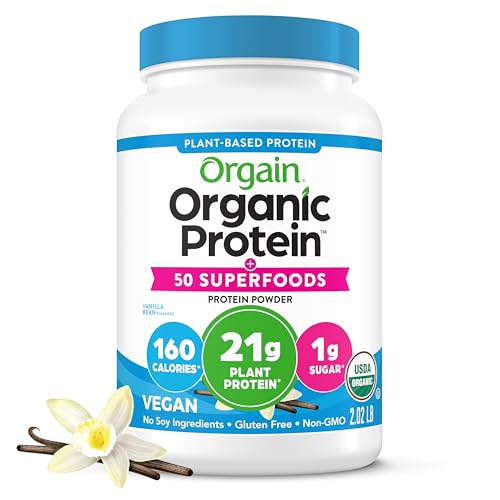
Plant blends in this guide, including Garden of Life Vegan Protein Powder, Orgain Organic Vegan Protein + Superfoods Powder, and Owyn Only What You Need Pro Elite High Protein Powder, list all 9 essential amino acids through combinations of pea, brown rice, chia, hemp, pumpkin seed, and mung bean proteins. Multi-source blends tend to score higher on amino acid completeness than single-source isolates, although options like Orgain Perfect Blend Protein Powder still document completeness from a simpler pea and brown rice base.
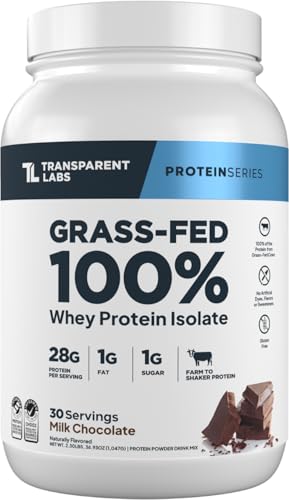
For buyers who prefer a non-plant option, Isopure Zero Carb 100% Pure Whey Isolate Protein Powder provides 25g of whey isolate per serving with zero carbs and a documented lactose-free and gluten-free label.
Evaluating Dietary Certifications
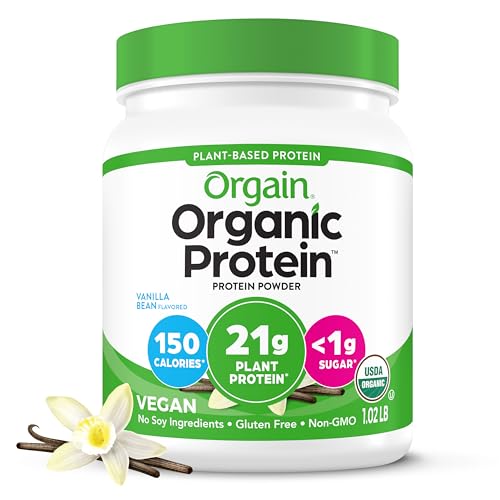
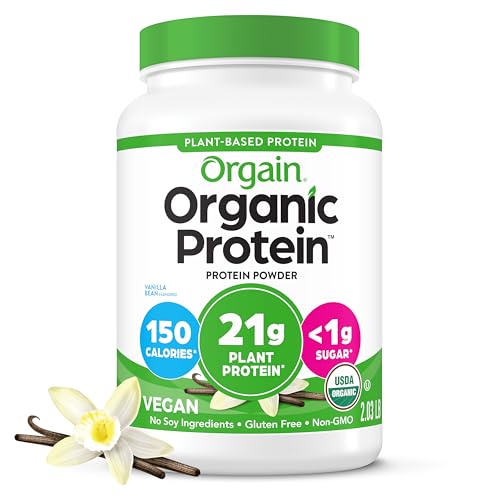
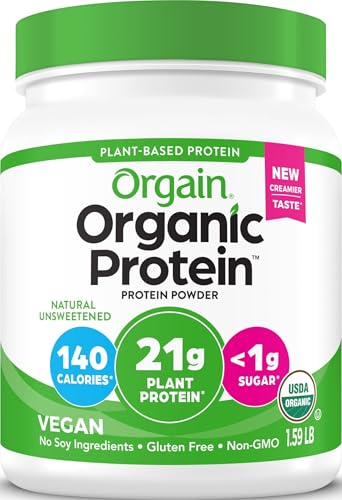
Gluten-free status is the baseline for every product in this guide, but the depth of third-party verification varies. Garden of Life Vegan Protein Powder lists NSF Certified Gluten Free alongside USDA Organic and Non-GMO Project Verified, while Orgain Organic Vegan Protein + Superfoods Powder and Orgain Organic Vegan 21g Protein Powder add vegan, kosher, and Non-GMO certifications without soy ingredients.
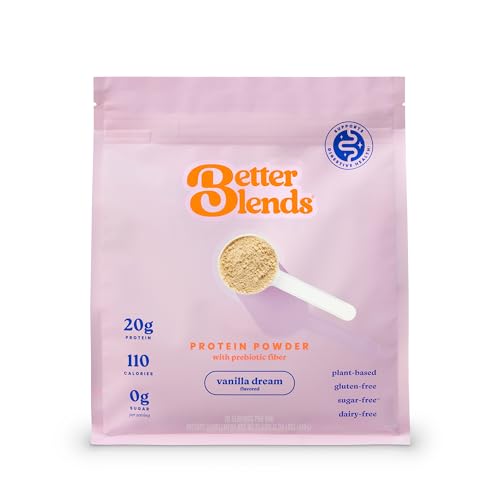
Owyn Only What You Need Pro Elite High Protein Powder lists vegan, gluten-free, dairy-free, soy-free, Non-GMO Project Verified, and kosher certifications, while Better Blends Gut-Friendly Protein Powder carries a certified low FODMAP designation for sensitive-stomach buyers alongside its gluten-free label.
Reading the Ingredient List
Shorter labels tend to indicate fewer processing aids and additives. Orgain Perfect Blend Protein Powder uses just six named ingredients, including monk fruit extract in place of stevia or sugar alcohols, while Truvani Organic Plant Based Protein Powder uses organic pea, pumpkin seed, and chia seed protein with no stevia, soy, wheat, dairy, or artificial sweeteners.
By contrast, blends such as Garden of Life Vegan Protein Powder and Orgain Organic Vegan Protein + Superfoods Powder include additional functional ingredients, including digestive enzymes, probiotics, prebiotic fiber, or a 50-supercfood blend, which lengthens the label but adds documented functionality.
Functional Additives That Matter
Functional additives differ across the list. Garden of Life Vegan Protein Powder adds digestive enzymes and Bacillus subtilis DE111 probiotics, Owyn Only What You Need Pro Elite High Protein Powder lists 2 billion CFU probiotics with omega 3 and a greens blend of kale, spinach, and broccoli, and Better Blends Gut-Friendly Protein Powder combines prebiotic potato fiber with L-glutamine and slippery elm bark.
Sunwarrior Warrior Blend Plant-Based Protein pairs its plant protein sources with medium-chain triglycerides from coconut, while Truvani Organic Plant Based Protein Powder focuses on a clean base without probiotics or greens.
Several blends explicitly describe mixing behavior. Owyn Only What You Need Pro Elite High Protein Powder lists a smooth taste profile for shakes and smoothies, Truvani Organic Plant Based Protein Powder is designed to avoid chalkiness in an 8 to 12 oz shaker, and Garden of Life Vegan Protein Powder markets a silky-smooth texture with 1g total net carbs.
Pack sizes range from 10 servings in Orgain Organic Vegan Protein Powder, 1.02 lb, up to larger 2 lb and 4 lb containers across other options, allowing buyers to match format to household usage.
Recipe Versatility Beyond the Shaker
Many of these blends are designed for more than a basic shake. Garden of Life Vegan Protein Powder lists oats and baked goods applications alongside shakes, Orgain Organic Vegan Protein + Superfoods Powder and Orgain Organic Vegan 21g Protein Powder call out overnight oats, cookies, and brownies, and Owyn Only What You Need Pro Elite High Protein Powder markets itself for active, on-the-go users.
Better Blends Gut-Friendly Protein Powder is described as mixing into shakes, smoothies, and recipes, while Sunwarrior Warrior Blend Plant-Based Protein supports smoothie bowls and baking use.
Final recommendation
Garden of Life Vegan Protein Powder, Vanilla ranks first overall in this specification-based comparison under the published weighted criteria.
The final choice among the best gluten-free protein powder blends depends on the documented features that match your intended use.
For a specification-based first overall choice, Garden of Life Vegan Protein Powder, Vanilla stands out as the top gluten-free protein powder blends pick, combining the highest plant protein per serving in the list with the broadest third-party certification stack, including NSF Certified Gluten Free, USDA Organic, and Non-GMO Project Verified, plus digestive enzymes and probiotics.
Among top gluten-free protein powder blends with a stricter ingredient cap, Orgain Perfect Blend Protein Powder is a strong minimalist pick with just six named ingredients and 20g protein. For buyers wanting the highest vegan protein per serving, Owyn Only What You Need Pro Elite High Protein Powder lists 30g plant protein with zero sugar, and for sensitive stomachs the low FODMAP certification on Better Blends Gut-Friendly Protein Powder is the differentiator. Truvani Organic Plant Based Protein Powder and Sunwarrior Warrior Blend Plant-Based Protein round out the gluten-free protein powder blends for shoppers prioritizing a short organic label or a hemp-enhanced amino acid profile, while Isopure Zero Carb 100% Pure Whey Isolate Protein Powder is the whey isolate option for users needing a non-plant alternative that is gluten free and lactose free.
Frequently Asked Questions
What should I check first when comparing the best gluten-free protein powder blends?
Start with the protein source and the amino acid completeness claim, then confirm a recognized gluten-free certification such as NSF Certified Gluten Free or an explicit gluten-free label, and review the ingredient list for allergens and additives.
Are plant-based gluten-free protein powder blends complete proteins?
Several blends in this guide, including Garden of Life Vegan Protein Powder, Orgain Organic Vegan Protein + Superfoods Powder, Owyn Only What You Need Pro Elite High Protein Powder, and Sunwarrior Warrior Blend Plant-Based Protein, list all 9 essential amino acids through multi-source combinations of pea, brown rice, chia, hemp, pumpkin seed, and mung bean proteins.
Which of the best gluten-free protein powder blends has the shortest ingredient list?
Orgain Perfect Blend Protein Powder lists only six named ingredients, including organic pea protein, organic brown rice protein, organic agave inulin fiber, organic natural flavor, organic monk fruit extract, and sea salt, making it the most minimalist option in this list.
Is there a gluten-free protein powder designed for sensitive stomachs?
Better Blends Gut-Friendly Protein Powder is certified low FODMAP and is formulated without dairy, gluten, soy, gums, sugar alcohols, artificial dyes, and unnecessary fillers, while adding prebiotic potato fiber, L-glutamine, and slippery elm bark.
Do any of the best gluten-free protein powder blends include probiotics or digestive enzymes?
Yes. Garden of Life Vegan Protein Powder lists digestive enzymes and Bacillus subtilis DE111 probiotics, while Owyn Only What You Need Pro Elite High Protein Powder lists 2 billion CFU probiotics per serving alongside omega 3 and a greens blend of kale, spinach, and broccoli.