Buying Guide
Choosing the best gluten-free stevia sugar substitutes starts with understanding how each format fits into your routine. Packets dissolve quickly into hot or cold drinks, granular options measure cup-for-cup for baking, and liquid concentrates give you precise control over sweetness in recipes and beverages. The picks below cover each of these formats, so you can match the product to the way you actually sweeten food and drinks.
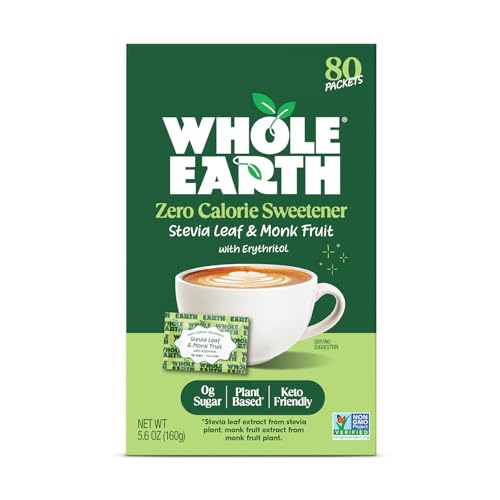
Stevia sweeteners come in three primary formats: single-serve packets, spoonable or pourable granular, and highly concentrated liquids. Packets like Stevia In The Raw and Whole Earth Nature Sweet prioritize convenience for coffee, tea, and on-the-go drinks. Granular options such as Truvia 16-ounce bag and Swerve Ultimate focus on cup-for-cup baking behavior.
How to Read the Ingredient List
Look for the source of sweetness first. Products that list stevia leaf extract, sometimes paired with monk fruit, erythritol, chicory root fiber, or dextrose and maltodextrin, all qualify as stevia-based sweeteners. The bulking agent affects taste and texture. Dextrose or maltodextrin bulking agents can carry trace carbs, erythritol is a sugar alcohol that some digestive systems find sensitive, and chicory root fiber contributes a mild aftertaste.
Gluten-Free and Dietary Certifications
Most stevia sweeteners on the market are naturally gluten free, but certification matters for stricter kitchens. Beyond gluten, look for non-GMO Project verification, USDA Organic certification, vegan suitability, kosher status, and diabetic or low-glycemic positioning. The labels above stack these credentials in different combinations, so align them with how restrictive your pantry needs to be.
Cup-for-Cup Baking Versus Single-Serve Sweetening
If you bake frequently, granular products that explicitly measure cup-for-cup like sugar and brown in recipes are particularly useful. Swerve Ultimate documents browning and caramelization, while Truvia’s 16-ounce bag also advertises cup-for-cup behavior. For everyday beverage sweetening, packets such as NOW BetterStevia or Whole Earth Nature Sweet give consistent sweetness per serving. Liquids work well in recipes that benefit from even dispersion, like custards, smoothies, and salad dressings.
Clean-Label Considerations
Clean-label shoppers may prefer stevia products that avoid erythritol and artificial additives. Stevia In The Raw keeps its formula simple with stevia extract and a dextrose or maltodextrin bulking agent, while brands such as Truvia, Swerve, Whole Earth, and Sukrin Gold rely on erythritol as a primary bulking agent for baking behavior.
Package Count and Storage
Think about how often you sweeten drinks versus how often you bake. Packet boxes like the 100-count Stevia In The Raw and 80-count Whole Earth Nature Sweet favor daily coffee and tea drinkers. Bulk granular bags such as the 48-ounce Swerve and the 16-ounce Truvia suit frequent bakers.
Matching Sweetener to Lifestyle
Keto and low-carb kitchens often lean on erythritol-based blends such as Truvia, Swerve, and Sukrin Gold for their non-glycemic positioning. Diabetic-friendly kitchens can rely on any of the listed products thanks to their documented low-glycemic claims, but reading individual ingredient lists remains important.
Final Recommendation
Stevia In The Raw Zero Calorie Packets, 100-Count ranks first overall in this specification-based comparison under the published weighted criteria.
If you want a single specification-based choice that combines documented gluten-free, vegan, USDA Organic, and non-GMO credentials with a generous packet count, Stevia In The Raw Zero Calorie Packets stand out as a strong starting point among the best gluten-free stevia sugar substitutes. Pair it with a granular option like Swerve Ultimate Sugar Replacement Granular for baking and a concentrated liquid such as Pyure Liquid Stevia Extract for precise, clean-label sweetening, and you will have covered packet, granular, and liquid formats from one short list of the top gluten-free stevia sugar substitutes.
Frequently Asked Questions
Among the best gluten-free stevia sugar substitutes, are stevia sweeteners naturally gluten free?
Most stevia sweeteners are naturally gluten free because the sweet compounds come from the leaves of the stevia plant. However, certification matters if your kitchen is highly sensitive, since some products add bulking agents like erythritol, dextrose, or maltodextrin.
Can you use stevia sweeteners for baking cup-for-cup like sugar?
Granular stevia blends, especially those that include erythritol as a bulking agent, are designed to replace sugar cup-for-cup. Swerve Ultimate and Truvia 16-ounce bag both document cup-for-cup behavior and browning, while Sukrin Gold handles the brown sugar niche. Packet and liquid formats, like NOW BetterStevia packets and Pyure liquid drops, are better suited to beverages and recipes where small amounts of sweetener are dispersed evenly.
Do all stevia sweeteners contain erythritol?
No. Some stevia sweeteners pair stevia extract with dextrose or maltodextrin, such as Stevia In The Raw, or use chicory root fiber, as in Truvia. Others rely on erythritol as the main bulking agent, including Whole Earth Nature Sweet, Swerve, and Sukrin Gold.
Single-serve packets are the most travel-friendly format because they are pre-measured and individually wrapped. Stevia In The Raw 50-count and 100-count packets, NOW BetterStevia 75-count packets, Whole Earth Nature Sweet 80-count packets, and Truvia 140-count packets all fit this use case. Liquid bottles are compact but require more careful dosing on the go.
How do stevia and monk fruit blends compare with pure stevia?
Stevia and monk fruit blends, such as Whole Earth Nature Sweet, combine two plant-based sweeteners to round out the flavor profile, often with erythritol as a bulking agent. The choice depends on whether you prefer blended sweetness or a single-botanical formula within the best gluten-free stevia sugar substitutes on the market.