Buying Guide
Choosing among the best gluten-free turmeric supplements starts with a few specification checks that separate a thoughtful formula from a generic capsule. Turmeric root on its own is poorly absorbed, so the most useful supplements pair a standardized curcuminoid extract with an absorption helper and confirm the gluten-free status with clear labeling or third-party certification.
Standardized Curcuminoid Percentage
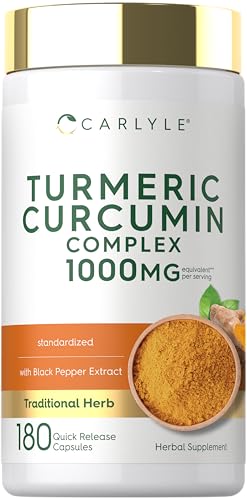
The single most important specification on a turmeric label is the curcuminoid standardization. Whole turmeric powder delivers only a small percentage of curcuminoids, so products that list a 95% curcuminoid extract pack far more of the active compounds into each capsule. Micro Ingredients Turmeric Curcumin 1,000mg and Qunol Turmeric + Black Pepper & Ginger both publish 95% standardization numbers, while Garden of Life Organics Extra Strength Turmeric and Life Extension Curcumin Elite publish equivalent extract percentages on their label language. By contrast, plain turmeric root capsules without a standardization claim deliver less of the active compounds per serving.
Absorption Helper Ingredients
A high curcuminoid percentage means little if the body cannot absorb it. The most common helper is black pepper extract, often called BioPerine, and many of the products above pair turmeric with ginger for additional botanical support. Micro Ingredients Turmeric Curcumin 1,000mg uses black pepper, MCT oil, ginger, bee propolis, and fat-soluble vitamin C together. Life Extension Curcumin Elite uses a fenugreek-derived fiber system instead. Micro Ingredients Turmeric Curcumin Softgels pair 95% curcuminoids with MCT oil. Looking for at least one named absorption helper is a quick way to filter the best gluten-free turmeric supplements from weaker entries.
Gluten-Free Certification and Labeling
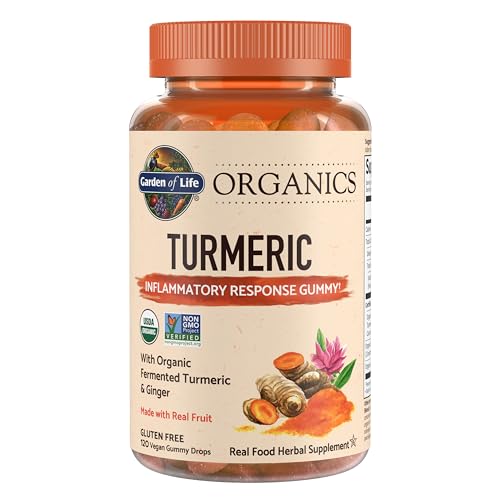
Gluten-free status can be confirmed in two ways. Some brands carry a third-party mark such as NSF Certified Gluten-Free, which appears on Garden of Life Organics Extra Strength Turmeric and Garden of Life Organics Turmeric Gummies. For shared manufacturing environments, a third-party mark adds an extra layer of verification.
Turmeric supplements arrive in capsules, softgels, gummies, tablets, and powders, so the format should match your routine. Capsules and softgels, like Micro Ingredients Turmeric Curcumin Softgels and Qunol Turmeric + Black Pepper & Ginger, suit users who want a high milligram load per dose. Gummies such as Nature’s Nutrition Turmeric Curcumin Gummies and Garden of Life Organics Turmeric Gummies suit users who prefer chewables. Purity markers like third-party lab testing, USP verification on Nature Made Turmeric Curcumin, and Non-GMO Project Verified labels add further specification support.
Additional Bioactive Compounds
A few supplements include supporting ingredients beyond curcumin, ginger, and black pepper. Micro Ingredients Turmeric Curcumin 1,000mg adds bee propolis and fat-soluble vitamin C. Garden of Life Organics Extra Strength Turmeric and Garden of Life Organics Turmeric Gummies include plant-based probiotics alongside turmeric. These extras can matter for buyers who want a layered formula rather than a single-ingredient capsule.
Final recommendation
Micro Ingredients Turmeric Curcumin 1,000mg 120 Capsules ranks first overall in this specification-based comparison under the published weighted criteria.
The final choice among the best gluten-free turmeric supplements depends on the documented features that match your intended use.
For buyers who want the top gluten-free turmeric supplements based purely on specification, Micro Ingredients Turmeric Curcumin 1,000mg stands at the front of this list thanks to its 95% standardized curcuminoid extract, six-ingredient bioavailability stack, and third-party lab testing. Qunol Turmeric + Black Pepper & Ginger and Life Extension Curcumin Elite are excellent alternatives if you want a high-milligram capsule or a fenugreek-fiber absorption system. Garden of Life Organics Extra Strength Turmeric is a strong pick when third-party gluten-free and organic certifications matter most. The remaining products round out the top gluten-free turmeric supplements with varied formats, capsule counts, and supporting botanicals so you can match a supplement to your daily routine.
Frequently Asked Questions
What specification makes a turmeric supplement genuinely gluten-free?
Look for either a third-party certification such as NSF Certified Gluten-Free or an explicit free-of statement listing gluten, wheat, and related allergens. Both approaches appear on products in this guide.
Most do, because black pepper extract improves curcumin absorption. A few use alternative systems such as MCT oil carriers or fenugreek-derived fibers, which are also documented absorption helpers.
Is a higher curcuminoid percentage always better?
A higher standardized curcuminoid percentage means more of the active compounds per dose, but it should still be paired with an absorption helper. A 95% standardized extract plus black pepper extract is a strong combination to look for.
Should I choose capsules, softgels, or gummies for a turmeric supplement?
Capsules and softgels typically deliver more curcuminoids per serving and suit users who want a high milligram load. Gummies suit users who prefer chewables and are willing to take a lower per-serving curcuminoid amount in exchange for taste and convenience.
Are turmeric powders a good fit for the best gluten-free turmeric supplements?
Powdered turmeric can work if it lists a standardized curcuminoid percentage and an absorption helper, but the powders in this guide lean toward capsules and gummies, which is where the clearest standardization claims appear.