Buying Guide
The best hypoallergenic eyeshadow comparison should begin with the evidence used to describe a formula as suitable for sensitive eyes. A product may use the word hypoallergenic, or it may document allergy testing, ophthalmologist testing, fragrance-free formulation, or suitability for contact lens wearers. Those details are not interchangeable, so consider which type of documentation matters most to your routine.
Start with the sensitivity documentation
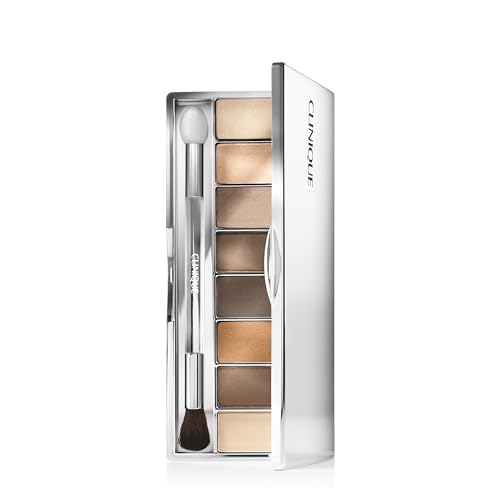
Clinique provides the most extensive documentation among the selected products. Its All About Shadow palette, quad, duo, and single are described as ophthalmologist tested, allergy tested, fragrance free, and safe for contact lens wearers. That combination gives shoppers several clearly stated factors to compare in one listing.
The Almay Hazel Eyes palette is labeled hypoallergenic and ophthalmologist tested, with fragrance-free and contact-lens-wearer suitability also stated. Sandstone Scandinavia documents a hypoallergenic and allergy-tested formula for sensitive eyes and contact lens wearers, and identifies the shadow as fragrance free. These products make their sensitivity positioning more specific than a general gentle-skin statement.
Other listings use different evidence. Physicians Formula describes its palette as made for sensitive skin and hypoallergenic. Neutrogena identifies its product as ophthalmologist tested and suitable for sensitive skin around the eyes. Marcelle identifies its quintet as hypoallergenic and fragrance free. When comparing the best hypoallergenic eyeshadow for your needs, read the exact language rather than assuming every product has undergone the same testing.
Palettes are useful when you want several coordinated colors in one compact. Clinique’s eight-shade palette offers the widest documented shade selection in this group, while the Almay Hazel Eyes palette provides a curated color story with a primer base. Physicians Formula supplies a matte blushed-nude palette, and Marcelle offers five colors including a liner shade.
A quad or duo narrows the choices while preserving coordination. Clinique’s Pink Chocolate quad contains four complementary shades, and the Ivory Bisque/Bronze Satin duo is explicitly arranged for a base-and-contour approach. These formats may be easier to plan around than a larger palette because the shades are already paired or grouped.
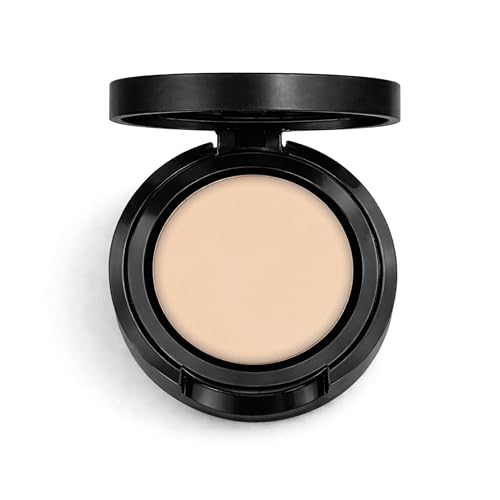
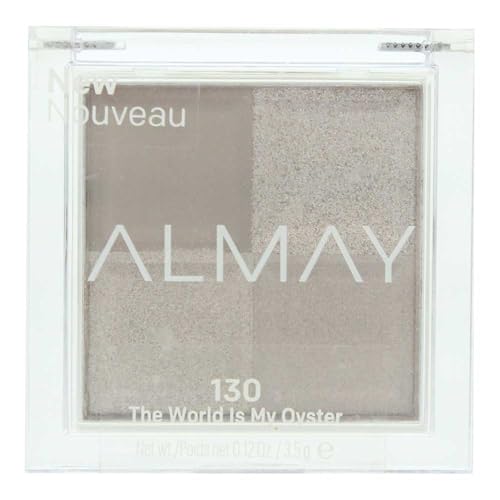
Singles serve a different purpose. The Clinique French Vanilla shadow is a matte, buildable neutral, while Sandstone’s White-ish shade is a specialized matte accent. Almay’s The World Is My Oyster uses one color across matte, metallic, satin, and glitter finishes, making it a different kind of single. If you prefer a focused routine, compare finish and shade function before choosing.
Compare powder and cream-to-powder designs
Most selected products are powder shadows. Powder formats appear in the Clinique, Almay, Sandstone, Marcelle, and Physicians Formula listings, with descriptions ranging from silky and velvety to finely milled and blendable. The Physicians Formula palette is specifically described as liquid to powder, but its finished look is soft matte.
Neutrogena takes a different approach with a lightweight cream-to-powder eyeshadow and built-in primer. The listing says it glides onto the eyelid and can be applied with the wand for bold metallic color or blended for a more diffused wash. This format may appeal to people who prefer direct application and a single coordinated finish.
The best hypoallergenic eyeshadow format is therefore a practical decision, not just a formula label. A palette supports shade mixing, a single supports precision and repetition, and an integrated primer can combine two steps in one product. The supplied listings document these design differences, but they do not establish that one format works better for every person.
Check finishes and shade roles
Finish variety affects how much you can do with a product. Clinique’s palette, quad, and duo are described as buildable and layerable, while Almay’s single explicitly lists matte, metallic, satin, and glitter finishes. Physicians Formula focuses on soft matte blushed nudes. Sandstone’s White-ish shade is matte, and Neutrogena’s Soft Pearl is metallic.
Think about the role you need first. A matte neutral can provide a base or soft definition. A metallic cream-to-powder can create a more reflective lid look. A liner shade, as included in Marcelle’s quintet, can add definition without requiring a separate shadow color. A multi-finish single may be useful when you want one color family but several surface effects.
Some listings provide specific formulation information. Physicians Formula names monoi, murumuru, cupuacu, and tucuma butters and describes the formula as nourishing and moisturizing. Neutrogena identifies pro-vitamin B5. Almay lists a primer base enriched with antioxidant vitamin E and says its palette is made without parabens, phthalates, SLS, mineral oil, DMDM hydantoin, formaldehydes, and triclosan.
Additional formulation details appear in the other listings. Sandstone identifies a vegan, cruelty-free formula without fragrance. Burt’s Bees is not included in this ranking, so it is not part of this guide’s product comparison. Stay with the selected products when comparing specifications, and remember that a listed exclusion or ingredient does not predict an individual reaction.
Consider application and wear claims carefully
Application descriptions are useful for matching a product to your technique. Clinique describes silky textures that glide, layer, and blend. Almay describes smooth gliding application. Sandstone describes a finely milled texture, and Physicians Formula says its palette can be applied with a brush or fingers. Neutrogena supports wand application followed by blending.
Wear language is also product-specific. Clinique states crease- and fade-resistant wear, Neutrogena describes long wear and a primer intended to prevent creasing and smudging, and Marcelle lists a long-lasting formula. These are public listing claims, not independent test results. They can help organize a comparison, but they should not be treated as a guarantee for every eyelid or environment.
How to narrow the list
For the most detailed eye-safety documentation, start with the Clinique products. For a primer-enriched palette, consider Almay Hazel Eyes. For a matte palette with named butter ingredients, Physicians Formula is the relevant match. Sandstone fits a shopper seeking a fragrance-free matte single, while Neutrogena is the cream-to-powder option with an integrated primer.
If you want a narrow shade system, compare the Clinique duo, quad, or single. If you want finish variety in one color, Almay’s four-finish single is distinctive. Marcelle is the selected option with a five-color layout and a liner shade. The right choice depends on the combination of documentation, format, finish, and application style that best matches your own requirements.
Final Recommendation
Clinique All About Shadow Palette, A Nude Honey Mood ranks first overall in this specification-based comparison under the published weighted criteria.
The final choice among the best hypoallergenic eyeshadow depends on the documented features that match your intended use.
Clinique All About Shadow Eye Shadow Palette in A Nude Honey Mood is the highest-scoring returned product and the first overall specification-based choice. Its eight shades, buildable powder design, silky application, and detailed allergy, ophthalmologist, fragrance-free, and contact-lens documentation give it the broadest evidence-supported profile in this comparison.
Choose the Clinique Pink Chocolate Quad if you want four coordinated shades, or the Ivory Bisque/Bronze Satin Duo for a deliberately paired base-and-contour format. Almay Hazel Eyes is the better match for a primer-enriched palette, while Sandstone Scandinavia suits a fragrance-free matte single. For a cream-to-powder design, Neutrogena provides the clearest documented option. The top hypoallergenic eyeshadow is ultimately the one whose documented formula and format align with your eye-area preferences.
Frequently Asked Questions
What makes the best hypoallergenic eyeshadow comparison useful for sensitive eyes?
Look for specific listing evidence such as hypoallergenic labeling, allergy testing, ophthalmologist testing, fragrance-free formulation, or stated suitability for contact lens wearers. These details describe different aspects of product positioning, so compare the exact claims instead of treating them as identical.
Is a powder or cream-to-powder shadow better for sensitive eyes?
The supplied evidence does not establish that one design is universally better. Powder options in this comparison include Clinique, Almay, Sandstone, Physicians Formula, and Marcelle. Neutrogena documents a cream-to-powder format with an integrated primer. Choose based on the application method and finish you prefer, then review the product’s own sensitivity documentation.
Which selected product has the most shades?
Clinique All About Shadow Eye Shadow Palette in A Nude Honey Mood is listed with eight buildable shades. The Clinique Pink Chocolate product is a four-shade quad, the Clinique Ivory Bisque/Bronze Satin product is a two-shade duo, and Marcelle’s Plum Perfect product contains five colors including a liner shade.
Which option offers several finishes in one shade?
Almay The World Is My Oyster is listed with matte, metallic, satin, and glitter finishes in one shade. That gives it a different kind of versatility from a multi-shade palette. The listing describes the texture as velvety smooth and positions it for everyday wear.
Does fragrance-free mean a product cannot cause irritation?
No. Fragrance-free is one formulation detail, not a guarantee of individual tolerance. Several selected products document fragrance-free formulas, including the Clinique products, Almay products, Sandstone, and Marcelle. Review the full ingredient information available with the product and follow advice from a qualified medical professional when needed.