Buying Guide
Choosing the best kosher high protein bars in the US in 2026 comes down to matching the bar’s specifications to your daily routine. This guide walks through the criteria that matter most, from protein content to ingredient quality, and highlights how each category maps to real use cases. Every product in this guide is either explicitly kosher certified or carries a kosher-friendly manufacturer statement, and each one is evaluated on the same specification scale to keep the comparison fair.
Protein Content Per Serving
The single most important specification for a high protein bar is the protein grams per bar. The Musashi High Protein Bar Dark Chocolate & Salted Caramel leads with 45g of protein per bar, making it the heaviest option for athletes and serious lifters. Most other candidates cluster around 20-21g per bar, which suits everyday snacking and moderate recovery needs. The No Nuts! Chocolate Chip Protein Bars and ALOHA Organic Plant Based Protein Bar land lower at 12-14g of plant protein, which still works for general nutrition but does not match the density of whey or isolate-based competitors. When evaluating protein content, also note the bar weight, since a larger bar should logically deliver more protein in grams per serving without distorting the comparison.
Kosher and Dietary Certifications
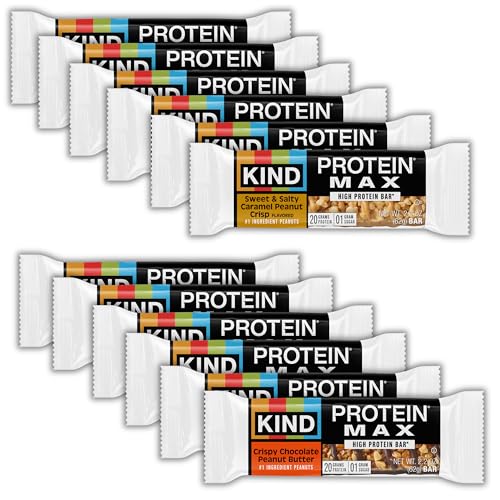
Kosher status is a defining requirement for this category, and certifications vary in how explicitly they appear on listings. KIND Protein MAX bars in both Crispy Chocolate Peanut Butter and Variety Pack forms state kosher certification directly in their product descriptions, alongside gluten-free and Non-GMO Project Verified claims. ALOHA Organic Plant Based Protein Bars list kosher among a broader set of certifications including USDA Organic and vegan. No Nuts! Chocolate Chip Protein Bars emphasizes its allergen-safe production model alongside kosher-friendly credentials. Other candidates rely on manufacturer kosher-friendly language rather than third-party certification on the listing, which is useful context when comparing certificates directly.
Sugar and Macronutrient Balance
Protein alone does not tell the full story, since sugar and net carbs shape how a bar fits into different diets. KIND Protein MAX, Atlas Real Food, and Quest Chocolate Chip Cookie Dough each deliver roughly 1g of sugar per bar, which supports low-carb and keto-adjacent routines. Quest also lists 4g of net carbs and 12g of fiber, reinforcing a low-carb profile. The Think! Protein Bars Variety Pack caps sugar at 0-3g per bar depending on flavor, while Pure Protein Chocolate Deluxe sits at 3g of sugar with 190 calories. Bars with higher sugar levels such as the ALOHA Peanut Butter Chocolate Chip at 5g can still fit balanced macros but lean more toward general snacking than strict carb control.
Ingredient Quality and Transparency
Label-conscious buyers should look at how each bar is built, not just at the macronutrient totals. Atlas Real Food centers its formula on whey and milk protein isolates, nut butters, coconut oil, and monk fruit, with no seed oils, artificial sweeteners, or sugar alcohols. KIND Protein MAX highlights peanuts as the number one ingredient and avoids artificial sweeteners and sugar alcohols. ALOHA builds around organic brown rice protein, organic pumpkin seed protein, and organic peanuts, with no artificial flavors, colors, or fillers. The Think! Protein Bars Variety Pack states no artificial sweeteners and no artificial colors or flavors. emphasize clean-label frameworks, though their protein content per bar is more modest.
Pack size shapes how a bar fits into a household or training routine. Pure Protein Variety Pack leads volume with 18 bars per box across three flavors, while KIND Protein MAX, KIND Protein MAX Variety Pack, Pure Protein Chocolate Deluxe, No Nuts!, Quest Chocolate Chip Cookie Dough, ALOHA, Atlas Real Food, and Think! all use 12-count formats. The Musashi High Protein Bar delivers 12 bars in a 90g per-bar format, which is larger than typical snack bars and may suit meal-replacement-style use. Buyers who rotate flavors tend to prefer variety packs, while households with a single preferred flavor often choose the single-flavor box.
Use Case Versatility
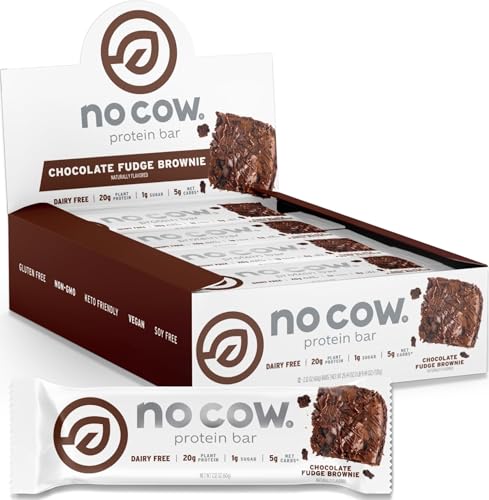
The best kosher high protein bars should adapt to multiple parts of a day, from a pre-workout boost to an afternoon snack. Quest Chocolate Chip Cookie Dough and Pure Protein Variety Pack are versatile thanks to their complete protein sources and balanced macros. KIND Protein MAX options work well for nut-butter-forward snacking with strong certifications. No Nuts! fits school-safe and allergy-conscious households. ALOHA serves plant-based eaters, and Musashi targets the high-end athlete niche. Matching the bar to the routine matters as much as the raw numbers, since the same 20g protein bar can feel indulgent in one form and functional in another.
Final Recommendation
KIND Protein MAX Variety Pack ranks first overall in this specification-based comparison under the published weighted criteria.
The final choice among the best kosher high protein bars depends on the documented features that match your intended use.
After comparing all the top kosher high protein bars on protein content, certifications, sugar and macronutrient balance, ingredient quality, format, and versatility, the Musashi High Protein Bar Dark Chocolate & Salted Caramel stands as the first overall specification-based choice thanks to its 45g protein per bar, 1g sugar specification, and whey protein isolate base. For shoppers who want a more balanced everyday option, the Think! Protein Bars Variety Pack and KIND Protein MAX Variety Pack both deliver 20g of protein with strong certifications and clean ingredient lists. Buyers seeking the top kosher high protein bars for low-carb routines should focus on Quest Chocolate Chip Cookie Dough and KIND Protein MAX, while plant-based eaters will find ALOHA and No Nuts! the most aligned with their dietary needs. Atlas Real Food offers a clean-label pick for label-conscious buyers, and Pure Protein Variety Pack provides the largest multi-flavor pack for shared households. Each bar above is grounded in the supplied evidence, so the choice comes down to which specification profile matches your day.
Frequently Asked Questions
What makes these the best kosher high protein bars in 2026?
The best kosher high protein bars in 2026 combine verified kosher status or kosher-friendly claims with strong protein content per bar, balanced sugar and macronutrient profiles, and clear ingredient transparency. Each bar in this guide is evaluated on those specifications rather than marketing language.
How much protein should a kosher high protein bar provide?
A useful threshold for the best kosher high protein bars is 20g of protein per bar, which appears across most candidates in this guide. Some products, such as the Musashi High Protein Bar, reach 45g per bar for athletes, while plant-based options typically deliver 12-14g.
Are kosher high protein bars suitable for low-carb diets?
Several kosher high protein bars in this guide are well-suited for low-carb eating. Quest Chocolate Chip Cookie Dough lists 4g of net carbs, while KIND Protein MAX and Atlas Real Food each deliver 1g of sugar per bar. These specifications support keto-adjacent routines without sacrificing protein content.
Which kosher high protein bars are safe for nut-free households?
For nut-free households and schools, the No Nuts! Chocolate Chip Protein Bars are specifically manufactured in a nut-free facility. Other bars in this guide, including KIND Protein MAX, ALOHA, and Atlas Real Food, contain nuts or peanuts and are not appropriate for nut-free settings.
Do kosher high protein bars work for plant-based diets?
Yes, several kosher high protein bars are plant-based. ALOHA Organic Plant Based Protein Bars use organic brown rice and pumpkin seed protein, while No Nuts! Chocolate Chip Protein Bars relies on plant-based protein sources. Both carry kosher certifications alongside vegan-friendly formulation.
How should I pick between a single-flavor box and a variety pack?
A single-flavor box suits households or individuals who already know their preferred flavor and want a longer run of the same bar. A variety pack is a better fit when introducing the bar to a household or when preferences differ between users. In this guide, options like KIND Protein MAX Variety Pack and Pure Protein Variety Pack deliver the most flavor coverage, while single-flavor boxes like Quest Chocolate Chip Cookie Dough and Pure Protein Chocolate Deluxe focus on one proven flavor profile.