Buying Guide
Finding the best limited ingredient wet dog food in US 2026 comes down to how a recipe is actually built, not how it is marketed. A genuine limited ingredient formula restricts both the number of proteins and the number of carbohydrate sources while excluding common dietary triggers. Below is a practical framework for comparing the top limited ingredient wet dog food options on real specifications.
Identify the Protein Structure
The single most important specification on any limited ingredient wet food is the protein source statement. Look for phrases such as “number one ingredient” or “primary animal protein source” that tie the recipe back to one named animal such as salmon, lamb, turkey, duck, or rabbit. Among the products in this comparison, several formulas anchor themselves on a single named protein, which supports a predictable rotation plan and helps minimize the variables in a sensitive dog’s diet. For owners considering the best limited ingredient wet dog food for dogs with multiple sensitivities, formulas such as the Instinct rabbit recipe and the Blue Buffalo Basics duck recipe stand out for their clearly stated single-protein approach.
Review the Exclusion List
Beyond the protein itself, the second specification to check is what the formula leaves out. Strong limited ingredient recipes explicitly exclude grain, corn, wheat, soy, dairy, eggs, and artificial colors or preservatives. Some products go further by excluding multiple animal proteins, which is useful for dogs with layered sensitivities. Documented exclusion lists are more meaningful than vague marketing claims, so prioritize formulas whose listing pages name the specific items removed. This is where the best limited ingredient wet dog food options typically separate themselves from standard sensitive-stomach recipes.
Wet dog food is not one-size-fits-all when it comes to age. Adult dogs can use most limited ingredient recipes, but puppies often need higher calorie density, while seniors benefit from added joint-support nutrients such as glucosamine and chondroitin. The Blue Buffalo Basics senior turkey recipe documents both joint-support ingredients and a senior-specific profile, making it a useful reference point for older dogs. For households with mixed ages, an all-life-stage recipe like the Evanger’s duck and sweet potato formula can simplify multi-dog feeding.
Format affects how a wet food fits into daily feeding. Larger 12.5 oz or 13 oz cans work well for medium to large adult dogs and for kibble toppers that need to cover multiple meals. Smaller 3.5 oz cans are useful for small breeds that need portion control without sacrificing the limited ingredient structure. Pouch toppers, such as the Blue Buffalo Basics salmon topper, add a third option that fits into dry-food enhancement routines for picky eaters. The best limited ingredient wet dog food lineup usually includes a mix of these formats, so the right choice depends on how you actually feed.
Look for Sensitivity Support Features
Manufacturers often include add-ons aimed at sensitive dogs, such as omega fatty acids for skin and coat, pumpkin for digestion, or single-source protein statements that help with elimination diets. While these are not the core of a limited ingredient recipe, they can meaningfully support a sensitive routine when they are documented in the product listing. When two recipes appear similar in protein and exclusion scope, these sensitivity features are the tiebreaker that often defines the best limited ingredient wet dog food selection for a specific dog.
Final recommendation
Instinct Limited Ingredient Diet Wet Dog Food Rabbit 13.2 oz, 6 Count ranks first overall in this specification-based comparison under the published weighted criteria.
The final choice among the best limited ingredient wet dog food depends on the documented features that match your intended use.
For a specification-first comparison, the Instinct Limited Ingredient Diet Rabbit formula is the first overall specification-based choice, combining a clearly identified single animal protein, one of the broadest documented exclusion lists in this category, and a complete nutrition profile suitable for both small and large dogs. As one of the top limited ingredient wet dog food entries, it pairs raw-inspired loaf texture with the flexibility to serve as a full meal or kibble topper, making it adaptable across feeding routines.
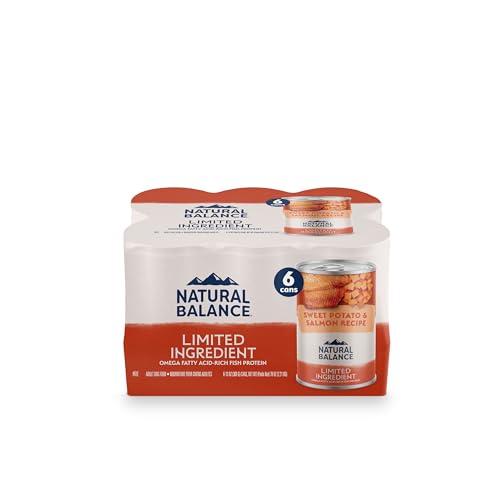
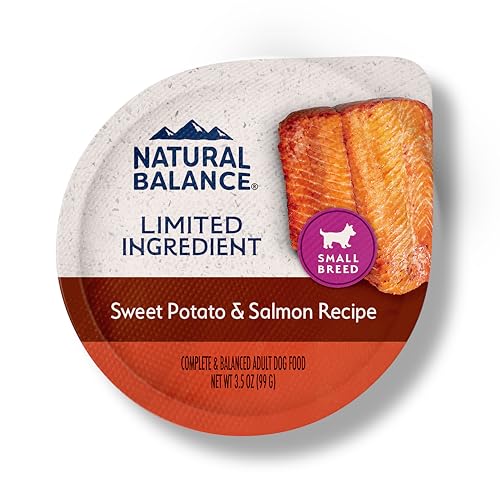
For owners who need portion control for small breeds, the Natural Balance 3.5 oz salmon and sweet potato pack delivers the same restricted ingredient structure in a smaller can. For households with senior dogs, the Blue Buffalo Basics turkey recipe brings joint-support nutrients into the limited ingredient framework. And for owners who prefer a pouch topper format, the Blue Buffalo Basics salmon pouch adds flexibility for picky eaters and multi-pet homes. Together, these selections form a strong set of limited ingredient wet dog food options for 2026.
Frequently Asked Questions
What makes the best limited ingredient wet dog food different from regular sensitive-stomach food?
The limited ingredient wet dog food recipes typically restrict the recipe to one named animal protein and a small number of supporting ingredients, while sensitive-stomach foods may still include multiple proteins and broader carbohydrate blends. The narrower ingredient scope is what defines the category.
How do I choose the right limited ingredient wet dog food for a senior dog?
Look for senior-specific formulations that add joint-support nutrients such as glucosamine and chondroitin on top of a restricted ingredient list. Senior-targeted options such as the Blue Buffalo Basics turkey recipe document both the joint ingredients and the limited ingredient framework.
Are small breed dogs better served by smaller cans in the limited ingredient category?
Smaller cans and pouches help with portion control and reduce the need to refrigerate partial servings, which matters for dogs that eat less per meal. The Natural Balance 3.5 oz salmon pack and the Blue Buffalo Basics salmon pouch are designed with that smaller portion in mind without dropping the limited ingredient promise.
Can I rotate proteins within a limited ingredient wet dog food routine?
Yes, rotating between several documented single-protein recipes is a common approach for keeping a limited ingredient plan interesting while still controlling variables. Products such as the Zignature salmon formula are explicitly positioned as rotational-diet options within the limited ingredient category.
How important is the exclusion list when comparing limited ingredient wet dog food?
The exclusion list is one of the most useful specification checkpoints, because it tells you which common triggers the manufacturer has removed from the recipe. Formulas with longer, clearly named exclusion lists, such as the Instinct rabbit formula, often give owners more confidence when managing dogs with layered sensitivities.