Buying Guide
The best low-fat cold breakfast cereals are not all built the same. Some use flakes, some use shredded wheat or wheat biscuits, and others add fruit, clusters, or cinnamon. The supplied listings support comparison through stated fat claims, whole-grain amounts, fiber descriptions, ingredient notes, and serving suggestions. They do not establish taste, texture after soaking, or performance in a hands-on test.
Start with the type of low-fat evidence
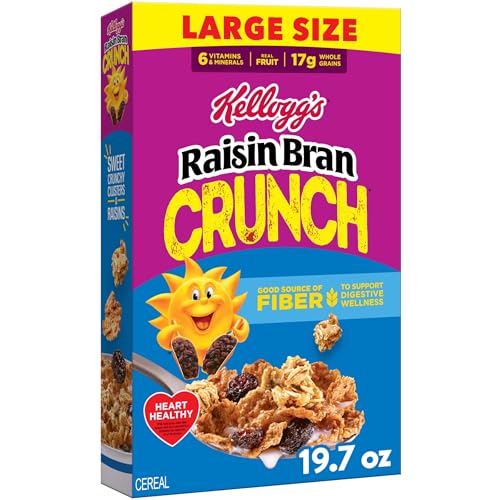
A direct label claim is the clearest starting point. Multi Grain Cheerios lists 1.5g of fat per serving and describes itself as low in fat. Kashi Cinnamon Harvest, Kashi Berry Fruitful, Kellogg’s Raisin Bran Crunch, and Kellogg’s Special K Red Berries also use low-fat language in their supplied descriptions. These products receive stronger category-fit consideration because the listing directly addresses the requested attribute.
Other cereals in the selection are included because their descriptions document related dietary characteristics and a naturally lean cereal design, but the evidence should not be treated as an unstated nutrition fact. Post Wheat n Bran, Weetabix, Fiber One Honey Clusters, Kellogg’s Raisin Bran, and Original Cheerios are compared using their supplied grain, fiber, ingredient, and serving information.
Compare whole-grain documentation
Whole grains are a major point of separation. Kashi Cinnamon Harvest lists 52g per serving, and Kashi Berry Fruitful lists 51g. Weetabix is made with 100% whole-grain wheat, while Original Cheerios uses 100% whole-grain oats. Multi Grain Cheerios supplies 28g, Kellogg’s Raisin Bran lists 28g, and Fiber One Honey Clusters lists 31g. These details are more useful than simply assuming that a brown-colored cereal is whole grain.
Post Wheat n Bran is a shredded-wheat-and-bran choice. Kellogg’s Special K Red Berries lists whole grain as the first ingredient and provides 15g per serving. When comparing labels, look for the exact amount or percentage supplied by the manufacturer and distinguish a whole-grain statement from a general wellness phrase.
Use fiber claims to narrow the list
Fiber can help distinguish a plain flake from a bran or shredded-wheat option. Fiber One Honey Clusters lists 36% of the daily value of fiber per serving. Kashi Berry Fruitful provides 6g, while Post Wheat n Bran is described as an excellent source of fiber. Kellogg’s Raisin Bran lists 26% of the daily value, and the Raisin Bran Crunch listing identifies it as a good source.
Weetabix also lists a good source of fiber, while Original Cheerios and Multi Grain Cheerios provide fiber as part of their broader nutrition descriptions. Because the supplied evidence uses different ways to express fiber, compare grams, daily-value percentages, and qualitative claims carefully rather than treating them as identical measurements.
Consider ingredients and dietary details
Dietary requirements can quickly remove otherwise suitable choices. Both Kashi cereals are described as organic, vegan, Non-GMO Project Verified, and Kosher Pareve, but both contain wheat. Original Cheerios and Multi Grain Cheerios are identified as gluten free. The Kashi cereals and Weetabix contain wheat-based ingredients or formats. People managing allergies should verify the current package information.
Ingredient simplicity also varies. Kashi Cinnamon Harvest is made with four organic ingredients, while Raisin Bran products add real fruit, Fiber One adds honey clusters, and Special K adds strawberries to wheat and rice flakes. These differences affect flavor direction and texture variety, even though the supplied data cannot verify personal taste.
Shredded wheat and biscuit cereals create a different cold-bowl experience from rings or flakes. Kashi Cinnamon Harvest, Kashi Berry Fruitful, Post Wheat n Bran, and Weetabix represent the biscuit or shredded-wheat side. Original Cheerios and Multi Grain Cheerios use ring shapes. Raisin Bran, Raisin Bran Crunch, Special K, and Fiber One use flake-based formats, with some adding raisins, clusters, or fruit.
Serving flexibility is another practical distinction. Several listings mention milk, yogurt, fruit, nuts, trail mix, cereal bars, or dry snacking. Those suggestions show documented intended uses, not tested outcomes. If you prefer a cereal that can also act as a topping, look for products whose listing specifically names yogurt or snack applications.
Read the package and serving details
Pack size and packaging shape are specification details rather than quality scores. The selection includes boxes from 14 to 28.5 ounces and smaller Kashi and Fiber One packages. A conventional box may fit a pantry easily, while package size can affect how often you restock.
Final Recommendation
Kashi Cinnamon Harvest ranks first overall in this specification-based comparison under the published weighted criteria.
The final choice among the best low-fat cold breakfast cereals depends on the documented features that match your intended use.
Kashi Cinnamon Harvest is the highest-scoring returned product and the first overall specification-based choice. Its explicit low-fat positioning, 52g of whole grains, excellent fiber claim, four organic ingredients, and documented dietary certifications create the most specification-aligned evidence combination in this comparison. Kashi Berry Fruitful is a close alternative with berries and 6g of fiber per serving.
For a plain grain profile, Post Wheat n Bran and Weetabix offer shredded-wheat or biscuit formats with strong whole-grain and fiber documentation. Multi Grain Cheerios is the clearest pick when a numeric low-fat statement and gluten-free specification matter. Fiber One Honey Clusters, Kellogg’s Raisin Bran, Kellogg’s Raisin Bran Crunch, and Kellogg’s Special K Red Berries add fruit, bran, or clusters. Together, these are the top low-fat cold breakfast cereals in this specification-based set, but the right choice still depends on the label details and format you prefer.
Frequently Asked Questions
What makes the best low-fat cold breakfast cereals different from one another?
The main differences are the evidence behind the low-fat positioning, whole-grain amount, fiber claim, ingredients, and cereal shape. Kashi cereals emphasize organic wheat biscuits and high whole-grain amounts. Cheerios products emphasize oat or multigrain rings and gluten-free details. Bran cereals add raisins or bran flakes, while Special K and Fiber One introduce fruit or clusters.
Are all cereals in this comparison explicitly labeled low fat?
No. Some listings use direct low-fat language, including Kashi Cinnamon Harvest, Kashi Berry Fruitful, Multi Grain Cheerios, Kellogg’s Raisin Bran Crunch, and Kellogg’s Special K Red Berries. Other selected products were included based on supplied whole-grain, fiber, ingredient, and cereal-format evidence. Always check the current nutrition panel for the product you select.
Which selected cereals document gluten-free status?
Original Cheerios and Multi Grain Cheerios are described as gluten free in their supplied listings. The Kashi, Weetabix, Post Wheat n Bran, Raisin Bran, Fiber One, and Special K entries contain wheat-related descriptions or do not provide the same gluten-free statement. People managing celiac disease or an allergy should verify the package and manufacturer information.
Which choices have the most specification-aligned documented whole-grain amounts?
Kashi Cinnamon Harvest lists 52g per serving, and Kashi Berry Fruitful lists 51g. Fiber One Honey Clusters lists 31g, while Original Cheerios lists 34g of whole grain in its description and Multi Grain Cheerios lists 28g. Weetabix provides a 100% whole-grain wheat statement. These figures use the supplied listing language and may not be directly interchangeable without checking serving sizes.
Can these cereals be used with yogurt or fruit?
Yes, where the listing specifically documents those uses. Weetabix mentions yogurt, fruit, and nuts; Kashi cereals mention serving ideas involving yogurt or fruit; Fiber One Honey Clusters mentions yogurt and trail mix; and several other listings describe yogurt toppings or snack applications. Those are stated serving suggestions, not hands-on performance findings.