Buying Guide
The best men’s facial sunscreens are not defined by one specification alone. A useful comparison starts with the labeled SPF and broad-spectrum language, then checks whether the texture, ingredients, and application format fit the way you will use the product. The selections above include mineral and non-mineral formulas, moisturizer-sunscreen hybrids, serum textures, and designs intended for facial hair or active outdoor use.
Start with the protection label
SPF is the clearest comparison point in this category. ATWATER and Kiehl’s provide SPF 50+ claims, while Eucerin, Particle, and Seaweed Bath Co. document SPF 50. Blu Atlas, CeraVe, La Roche-Posay, Cardon, and Stryx use SPF 30; Oars + Alps lists SPF 37. The number should be considered alongside the broad-spectrum statement. Particle identifies several UV filters, while ATWATER and Blu Atlas specify zinc oxide mineral protection.
A higher labeled SPF may appeal to people who spend more time outdoors, but the practical choice also depends on whether the formula is comfortable enough for regular facial use. Reapplication instructions matter when you swim, sweat, or towel off. Among the selected products, ATWATER and Blu Atlas document water and sweat resistance for up to 80 minutes. The other formulas are better discussed as daily facial products because the supplied evidence does not establish the same resistance claim.
Choose mineral or non-mineral protection
Mineral formulas use an active such as zinc oxide. ATWATER documents 17% zinc oxide, while Blu Atlas identifies zinc oxide as its mineral base. Mineral protection may be appealing if you specifically want a zinc-based formula, but finish details are important because some mineral products can leave visible residue. Both selected mineral products state that they apply without a white cast, with Blu Atlas describing a sheer finish and ATWATER describing an invisible finish on most skin tones.
Particle lists homosalate, octisalate, avobenzone, and octocrylene instead. Its key distinction is transparency, with the listing directly describing a clear finish that works around beards and clothing. Kiehl’s, Eucerin, and several moisturizer products also emphasize invisible or no-white-cast wear. The supplied listings establish formula descriptions, not independent performance testing, so treat these as specification-based distinctions rather than verified wear results.
Match the finish to your routine
A sunscreen can be technically suitable yet inconvenient if it feels too heavy or leaves unwanted shine. Look for the finish language that matches your routine. Eucerin describes an invisible, lightweight, non-greasy lotion. Cardon is water-based and oil-free, while Oars + Alps is oil-free and non-greasy. Stryx adds a mattifying primer function and says it helps reduce shine, making it especially relevant for grooming routines where a less glossy finish is preferred.
Kiehl’s uses a serum-style format and describes a lightweight, hydrating texture that layers under makeup. CeraVe and La Roche-Posay are moisturizer formats, so they may suit a morning routine that already includes a hydration step. Particle’s clear, beard-friendly positioning is more specific than a general no-cast claim. If you have facial hair, spread the product evenly across exposed skin rather than treating the beard as a substitute for application.
Consider barrier and hydration ingredients
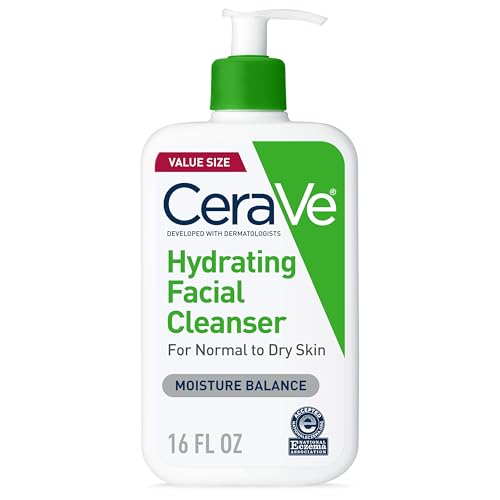
The skin-support category separates simple UV products from formulas designed to combine sun care with moisturization. CeraVe lists three essential ceramides, hyaluronic acid, and niacinamide. La Roche-Posay includes ceramide-3, niacinamide, and glycerin. Those ingredient details make both products logical considerations for routines focused on maintaining moisture and supporting the skin barrier.
Kiehl’s highlights collagen peptide and hydration, while Eucerin includes hyaluronic acid and five antioxidants. ATWATER lists vitamin C, green tea, and pomegranate extracts, and Oars + Alps lists hyaluronic acid, vitamins E and B5, and alpine caribou moss. These are documented formula features; they should not be read as proof of a particular cosmetic result. Cardon uses cactus extract and chia seed oil, and Stryx combines hyaluronic acid, aloe vera, and green tea.
People with sensitive or blemish-prone skin may want to prioritize the clearest compatibility statements. CeraVe, La Roche-Posay, ATWATER, and Eucerin provide useful details such as fragrance-free, non-comedogenic, hypoallergenic, or sensitive-skin positioning. Kiehl’s describes its product as non-comedogenic and appropriate for acne-prone skin. These specifications can help narrow the field, but individual tolerance still varies.
Not every selected product supplies the same information. Particle documents a beard-friendly, non-greasy formula but does not provide fragrance-free or non-comedogenic claims in the supplied listing. Cardon describes a zinc-free, oil-free formula and no white cast, while Stryx describes an oil-free formula suitable for sensitive skin. When a detail is absent, do not assume the product has that characteristic.
Use the application directions as part of the decision
Apply facial sunscreen as the final morning skincare layer unless the product directions indicate another placement. Kiehl’s specifically describes layering under makeup, while CeraVe says to use its lotion as the last step in a morning routine.
For outdoor activity, prioritize a product with an explicit water or sweat-resistance statement, such as ATWATER or Blu Atlas, and follow the reapplication directions on the package. For commuting or office routines, finish, layering, and skin compatibility may matter more than active-use features. The best men’s facial sunscreens are the ones whose documented design aligns with those daily conditions.
Final recommendation
Kiehl’s Better Screen UV Serum SPF 50+ ranks first overall in this specification-based comparison under the published weighted criteria.
Kiehl’s Better Screen UV Serum SPF 50+ is the highest-scoring product in this specification-based comparison.
The final choice among the best men’s facial sunscreens depends on the documented features that match your intended use.
Kiehl’s Better Screen UV Serum SPF 50+ is the first overall specification-based choice. It combines SPF 50+, a lightweight serum format, no-white-cast positioning, and stated suitability for oily and acne-prone skin. It also supports layering under makeup, giving it a well-rounded profile for daily facial use.
For active outdoor use, ATWATER Mineral Face Sunscreen SPF 50+ combines mineral protection with 17% zinc oxide, an invisible-finish claim, non-comedogenic positioning, and water and sweat resistance for up to 80 minutes. For a skincare-focused alternative, Eucerin Sun Age Defense Face SPF 50 offers five antioxidants and an invisible finish. Those seeking barrier-focused moisturization should compare CeraVe AM Facial Moisturizer SPF 30 with La Roche-Posay Toleriane Double Repair UV SPF 30. For a beard-friendly clear format, Particle Invisible Sunscreen SPF 40 is the most specifically documented choice.
Together, these top men’s facial sunscreens cover the main specification differences: mineral versus non-mineral protection, SPF 30 through SPF 50+, moisturizer and serum formats, clear or invisible finishes, and formulas with varying levels of skin-compatibility detail. Choose by the features you can verify and use consistently rather than by a single headline claim.
Frequently Asked Questions
What should I look for in the best men’s facial sunscreens?
Start with broad-spectrum protection and the SPF level, then check finish, formula suitability, and whether the product fits your routine. If you spend time sweating or swimming, look for an explicit water or sweat-resistance statement. ATWATER and Blu Atlas provide that detail in their listings, while CeraVe, La Roche-Posay, Eucerin, and Kiehl’s provide more extensive facial and skin-compatibility information.
Are mineral facial sunscreens suitable for men?
Yes. Mineral protection is a formula type rather than a gender-specific feature. ATWATER uses 17% zinc oxide, and Blu Atlas also documents a zinc oxide mineral base. Both listings describe an invisible or sheer finish without a white cast. If you prefer mineral protection, compare the active ingredient, finish description, skin-support ingredients, and any resistance claims.
Which selected sunscreen may suit sensitive skin?
CeraVe, La Roche-Posay, ATWATER, Eucerin, Kiehl’s, and Stryx provide the clearest sensitive-skin or compatibility details in the supplied evidence. CeraVe and La Roche-Posay list fragrance-free and non-comedogenic characteristics, while ATWATER lists fragrance-free and non-comedogenic positioning. Stryx describes its formula as suitable for sensitive skin. Individual skin responses can differ, so introduce any new product carefully.
Can a facial sunscreen replace a separate morning moisturizer?
Several selected products are explicitly designed as moisturizer-sunscreen combinations. Cardon, CeraVe, La Roche-Posay, Oars + Alps, and Stryx all describe hydration alongside facial SPF. Whether one step is enough depends on your skin and routine. Kiehl’s also presents its product as a hydrating serum, while Eucerin includes hyaluronic acid. The listings support combination use, but they do not establish that every person can omit a separate moisturizer.
Which facial sunscreen is most suitable for a beard?
Particle Invisible Sunscreen SPF 40 is the clearest match because its listing specifically describes a beard-friendly, transparent, non-greasy formula. Apply it evenly to exposed facial skin and follow the product directions. The other selected products may still be usable with facial hair, but the supplied evidence does not make the same beard-specific claim.