Buying Guide
Choosing the best natural maple syrup starts with separating pure maple syrup from broadly labeled table syrups. In this comparison, the selected products identify maple grade, purity, organic status, regional sourcing, flavor, or packaging details that help explain what is being offered. The listings do not all provide the same level of detail, so the most useful approach is to compare the evidence category by category rather than assume that every amber or dark bottle has the same profile.
Confirm the syrup is pure maple syrup
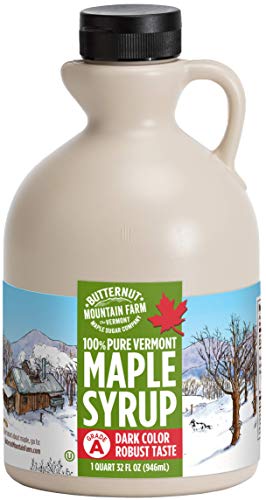
Look for direct wording such as “100% pure maple syrup” or “pure maple syrup.” Runamok, Crown Maple, Barred Woods, Hidden Springs, Maple Valley, and Sapsquatch make that identity explicit in their supplied descriptions. Butternut Mountain Farm likewise describes its product as 100% pure Vermont maple syrup. These statements are more informative than a generic reference to a maple-flavored table product.
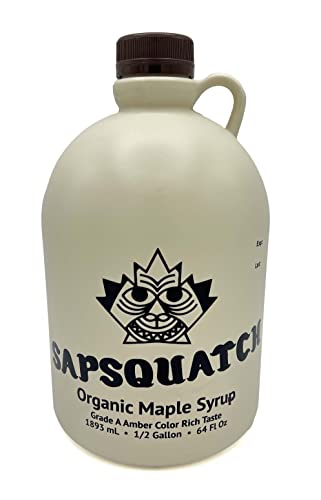
Additive information can also matter. Sapsquatch specifically says its syrup has no preservatives, artificial flavors, colors, or other additives. For the products ranked here, purity and additive wording was considered alongside the full title and specification information, not treated as a substitute for it.
Use grade and color to choose a flavor direction
The familiar practical distinction is between amber and dark syrup. Amber products in this selection include Runamok Sugarmaker’s Cut, Barred Woods Amber, Hidden Springs, and Sapsquatch. Their supplied descriptions use terms such as rich, amber, and amber rich. These are useful starting points for shoppers who want a balanced maple profile for pancakes, waffles, oatmeal, or general kitchen use.
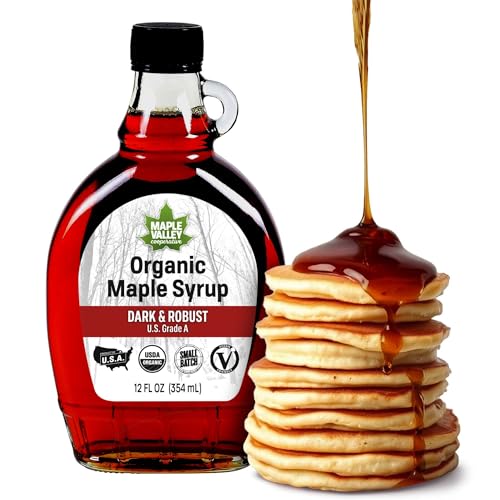
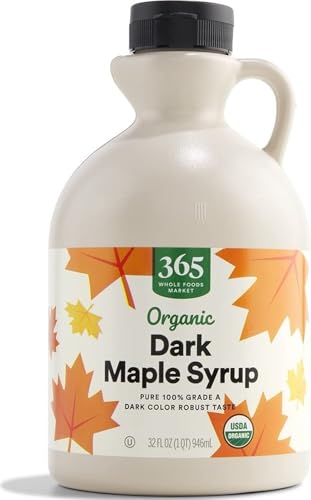
Dark products are described with more assertive language. Butternut Mountain Farm calls its Grade A dark color syrup robust and hearty, while 365, NOW Foods, Maple Valley, Crown Maple, and Barred Woods Dark identify dark or robust characteristics. The listings connect these products with cooking, baking, marinades, cocktails, or savory dishes. That does not establish a measured flavor result, but it does provide practical guidance from the product descriptions themselves.
Grade labels may also appear with updated terminology. Butternut Mountain Farm notes that its dark robust product was previously called Grade B, and NOW Foods similarly explains that its Grade A dark color product was formerly Grade B. When comparing bottles, read the current color and taste description instead of relying only on an older grade reference.
Check organic and dietary documentation
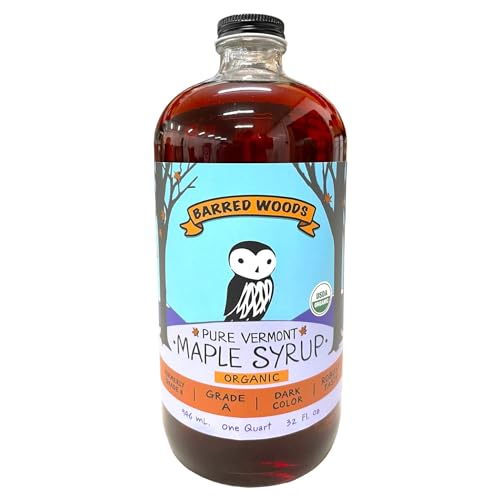
Organic claims vary in specificity. Runamok, Maple Valley, Crown Maple, Sapsquatch, Hidden Springs, Barred Woods, 365, and NOW Foods provide organic-related information in their listings. Some identify USDA certification, while Hidden Springs names Vermont Organic Farmers and Barred Woods identifies USDA and Northeast Organic Farming Association of Vermont certification. These details help distinguish a stated certification from a general natural-sounding description.
Several products also list dietary classifications. NOW Foods includes Non-GMO Project Verified, kosher, vegan, corn-free, and soy-free information. 365 lists USDA organic, vegan, and kosher status for its dark syrup. Maple Valley lists vegan, gluten-free, and kosher characteristics, while Crown Maple identifies gluten-free, non-GMO, and vegan attributes. Treat these as documented listing details rather than universal assumptions about every maple syrup.
Consider where and how the syrup is sourced
Regional sourcing adds useful context when it is actually stated. Butternut Mountain Farm identifies Vermont sourcing and discusses forest sustainability and farm-to-table traceability. Runamok describes partnerships with family-owned Vermont sugarmakers. Hidden Springs says its syrup comes from organic family farms in Vermont, while Barred Woods identifies northern Vermont and production from its trees. Crown Maple provides a different regional profile, describing estate production in Dutchess County, New York. Sapsquatch identifies Pennsylvania hardwood forests and says the product is made in the USA.
These statements can help shoppers choose between a Vermont producer, a New York estate, or a Pennsylvania forest source. They should not be read as proof that one region automatically tastes better. The comparison rewards specific sourcing information because it makes the product easier to understand and compare.
Match the bottle size and material to your routine
The selected formats range from 12-fluid-ounce bottles to a 64-fluid-ounce half-gallon. Smaller bottles such as Crown Maple, Maple Valley, and Barred Woods Amber can suit households that want a manageable quantity or prefer rotating among flavor styles. Medium formats such as NOW Foods and Runamok offer more syrup for regular breakfast and recipe use without moving to a large jug.
The 32-fluid-ounce options from Butternut Mountain Farm, 365, Hidden Springs, and Barred Woods Dark are better aligned with repeated cooking or larger households. Sapsquatch goes further with a 64-fluid-ounce format. That can be useful when maple syrup is a frequent ingredient, though the size may be unnecessary for occasional use.
Packaging is another documented distinction. Runamok, Maple Valley, and Barred Woods Dark specify glass bottles. Barred Woods Amber and Hidden Springs specify BPA-free plastic jugs, while Butternut Mountain Farm identifies an easy-pour format. Glass may appeal to shoppers who prefer that material, while a jug can be easier to manage when the product is used often. The evidence supports these format differences, but not claims about durability or pouring performance beyond the stated packaging descriptions.
How the ranking was calculated
The editorial ranking uses five category-specific criteria: purity and additive information, certification and dietary fit, grade and flavor detail, sourcing and traceability, and format and kitchen use. Purity receives the largest weight because the requested category centers on natural, pure maple identity. Certification, flavor detail, sourcing, and practical format complete the comparison. Each selected product scored at least 7.0 on the weighted editorial calculation. This is a specification-based comparison using public listing data, not a hands-on test and not a summary of customer opinions.
Final Recommendation
Barred Woods Organic Vermont Amber Maple Syrup ranks first overall in this specification-based comparison under the published weighted criteria.
Runamok Sugarmaker’s Cut is the first overall specification-based choice because it combines Grade A amber detail, organic certification, Vermont family-sugarmaker sourcing, glass packaging, and broad culinary uses. It is a well-rounded choice for shoppers who want the best natural maple syrup with unusually complete listing evidence.
For a darker and more forceful profile, Butternut Mountain Farm and 365 Organic Grade A Dark Maple Syrup provide clear robust-flavor descriptions, with Butternut adding Vermont sourcing and an easy-pour format. NOW Foods is particularly useful when dietary classifications are central to the decision. Crown Maple stands out for estate production in New York, while Maple Valley and Barred Woods Dark document glass packaging alongside dark syrup profiles.
Amber-focused shoppers can compare Barred Woods Amber, Hidden Springs, and Sapsquatch. Barred Woods gives the most specific organic Vermont producer detail in the smaller jug, Hidden Springs pairs Vermont family-farm sourcing with a 32-fluid-ounce format, and Sapsquatch offers the largest selected package with a stated no-additives description. These distinctions make it easier to choose among the top natural maple syrup options according to flavor direction, sourcing, certifications, and household usage.
Frequently Asked Questions
What makes the best natural maple syrup different from a table syrup?
The selected products identify pure maple syrup directly, often with Grade A color and taste information. A table syrup may use broader labeling, so check the listing for explicit pure maple wording and any stated additive information. Sapsquatch, Crown Maple, Barred Woods, Runamok, Hidden Springs, Maple Valley, Butternut Mountain Farm, 365, and NOW Foods provide this type of evidence in the supplied data.
Is amber or dark maple syrup better for pancakes?
Neither color is automatically better. The listings describe amber syrups as rich or amber rich and dark syrups as robust or hearty. Amber may appeal to shoppers seeking a more general breakfast profile, while dark products are repeatedly described for stronger flavor, cooking, or baking. Runamok and Barred Woods Amber document amber profiles; Butternut Mountain Farm, 365, NOW Foods, Maple Valley, Crown Maple, and Barred Woods Dark document dark profiles.
Which selected syrup has the clearest organic documentation?
Several products provide clear organic details. Runamok, 365, Maple Valley, Crown Maple, Sapsquatch, Hidden Springs, Barred Woods, and NOW Foods identify organic status in their listings. NOW Foods provides the broadest set of additional dietary classifications, while Barred Woods and Hidden Springs provide specific Vermont certification or farm-origin information.
Does bottle material matter for maple syrup?
It can be a practical preference. Runamok, Maple Valley, and Barred Woods Dark specify glass bottles. Barred Woods Amber and Hidden Springs specify BPA-free plastic jugs, and Butternut Mountain Farm identifies an easy-pour format. Choose based on the documented material, size, and handling style that fits your kitchen; the supplied data does not establish comparative durability or pouring results.
Which best natural maple syrup option is suited to frequent cooking?
Large formats and explicit cooking descriptions are useful signals. Butternut Mountain Farm, 365 Dark, Hidden Springs, and Sapsquatch provide larger formats, while Butternut, Runamok, Crown Maple, Maple Valley, and Barred Woods Dark describe cooking or baking uses. Sapsquatch offers the largest selected format, while Butternut provides particularly detailed guidance for table use and cooking.