Buying Guide
Choosing the best organic dried apricots in 2026 is less about brand familiarity and more about reading the label for what really matters: how the fruit was grown, how it was dried, and how it is packed. The picks in this guide all carry organic certification, but they differ meaningfully in origin, processing, and format. Understanding a few key dimensions makes it easier to match a bag to your snacking and cooking habits.
Organic Certification and Clean Labels
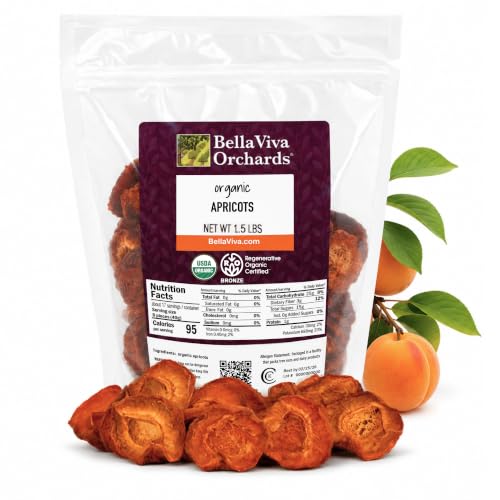
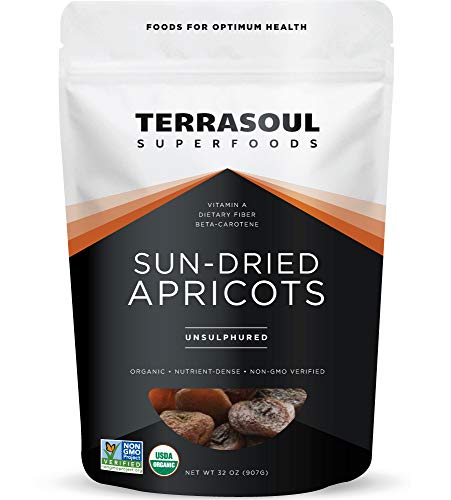
USDA Organic (or equivalent) certification is the foundation, but several picks stack additional certifications that tighten the ingredient discipline. Bella Viva pairs USDA Organic with Regenerative Organic certification, while Terrasoul Superfoods adds Non-GMO, raw, gluten-free, and vegan claims. 365 by Whole Foods Market goes a step further with a retailer-led standard that prohibits over 100 undesirable ingredients. When the best organic dried apricots also minimize additives, sugar, and sulfur dioxide, the label tends to be short and easy to read.
Drying Method and Sulfite Status
The two most common drying methods for organic apricots are traditional sun-drying and dehydrator-based drying, both of which can be unsulfured. Unsulfured means no sulfur dioxide is used to preserve a bright orange color, so the fruit naturally ranges from golden to deep brown. Happy Village, Lila Bazaar, Biomey, Yupik, and Terrasoul explicitly document unsulfured or sulfite-free status. If you prefer a softer, juicier chew, sun-dried Turkish options (Bella Viva excepted) are typically described that way, while raw-style options like Terrasoul may feel firmer.
Sourcing and Origin
Apricot origin affects flavor. Turkish apricots from regions like Malatya (Happy Village) and Izmir (Sunny Fruit) are the most common and tend toward a sweet, slightly tangy profile. California-grown apricots from Bella Viva are documented as brighter and more intensely tangy than Turkish varieties. Sourcing transparency matters: listings that name a specific region, cooperative, or estate generally offer more accountability than generic “Turkish” claims.
Packaging and Freshness
Organic dried fruit loses texture quickly if it is not sealed well. Resealable bags appear on most picks here, including Nature’s Eats (10 oz), Lila Bazaar (2 lb), Happy Village (2.5 lb), Biomey (2 lb), and Bella Viva (1.5 lb). Portion-control packs from Sunny Fruit trade resealability for grab-and-go convenience, which suits lunchboxes and travel more than pantry storage. Storage guidance generally points to cool, dry conditions, sometimes with refrigeration for opened larger bags.
Dietary Versatility and Allergen Profile
Most of the best organic dried apricots in this guide check the gluten-free and vegan boxes, and many add Non-GMO or kosher certifications. Yupik and Terrasoul are particularly strong on stacked certifications, while Sunny Fruit’s portion pack variant adds halal. Sunny Fruit’s 8.8 oz bag and Sunny Fruit portion packs are documented as nut free, which helps in shared kitchens and school settings. Check each listing for the specific dietary marks you need.
Format ranges from single-serve portion packs to 2.5 lb bulk bags. Sunny Fruit offers both a single 8.8 oz bag and a 30-pack portion configuration so you can choose between pantry storage and lunchbox convenience.
Final Recommendation
Bella Viva Organic California Dried Apricots, 1.5 lb ranks first overall in this specification-based comparison under the published weighted criteria.
The final choice among the best organic dried apricots depends on the documented features that match your intended use.
If you want a single specification-based pick that documents the highest certification tier, named US sourcing, and a clean one-ingredient label, Bella Viva Organic Dried California Apricots is the first overall specification-based choice in this guide. Its USDA Organic plus Regenerative Organic certifications, estate orchard in California’s Central Valley, and unsulfured single-ingredient list set it apart from the rest of the pool. For buyers who prefer the traditional Turkish sweet-tangy profile in a larger format, Happy Village Organic Turkish Dried Apricots is the most specification-aligned runner-up because of its named small-farmer cooperative and unsulfured processing, while 365 by Whole Foods Market Organic Turkish Apricots is a strong everyday alternative with a retailer-led ingredient standard. Together, these top organic dried apricots cover the three most common use cases: traceable single-origin, small-farmer cooperative bulk, and trusted pantry staple.
Frequently Asked Questions
What makes the best organic dried apricots different from regular dried apricots?
The best organic dried apricots are grown without synthetic pesticides or fertilizers and are processed without sulfur dioxide in most cases. That means the fruit relies on natural sugars and traditional drying for its flavor and color, which often produces a deeper golden-to-brown hue and a more pronounced tangy-sweet taste. Regular dried apricots may use sulfur dioxide to lock in a bright orange color and extend shelf life, which is why organic and unsulfured options tend to look darker in the bag.
Are unsulfured organic dried apricots safe to eat every day?
Unsulfured organic dried apricots are widely eaten as a daily snack and baking ingredient. They concentrate the natural sugars and nutrients of fresh apricots, so portion size matters if you watch carbohydrate or sugar intake. For most people, a small handful as part of a balanced diet is a reasonable approach, and the picks in this guide are all formulated with no added sugar to keep the ingredient list simple.
How should I store organic dried apricots after opening?
Most resealable bags in this category (Nature’s Eats, Lila Bazaar, Happy Village, Biomey, and Bella Viva) are designed to keep fruit fresh for several weeks when sealed and stored in a cool, dry pantry. After opening, transferring the fruit to an airtight container can extend chewiness, and refrigeration is sometimes recommended for larger 2 lb or 2.5 lb bags if you use them slowly. Portion-control packs like Sunny Fruit’s lunchbox format reduce the need for re-sealing because each serving is its own small bag.
Which origin should I choose: Turkish or California?
Turkish organic apricots from regions like Malatya and Izmir are the traditional choice and lean sweet with a soft, juicy chew. California organic apricots, as documented by Bella Viva, are described as brighter and more tangy with a similar chewy texture. If you want the classic sweet Turkish profile, picks like Happy Village, Lila Bazaar, or Biomey are solid. If you want a more intense tangy-sweet taste with US farm traceability, Bella Viva is the standout single-origin option.
Do organic dried apricots work for baking and trail mixes?
Yes, and the larger bulk formats are designed with that in mind. Yupik (2.2 lb), Lila Bazaar (2 lb), Biomey (2 lb), and Happy Village (2.5 lb) all document baking, oatmeal, trail mix, or recipe use. For recipes that need pre-measured amounts, single-bag picks like 365 by Whole Foods Market (8 oz) or Sunny Fruit (8.8 oz) may be easier to finish before texture changes. Chopped apricots from any of these picks can be folded into granola bars, added to stuffing, or simmered into sauces and chutneys.