Buying Guide
This guide compares the best organic sunflower seeds using documented organic & non-gmo certification, processing & form, dietary credential breadth, intended use fit, package format & sizing, and ingredient purity & additive profile.
What makes a sunflower seed truly organic
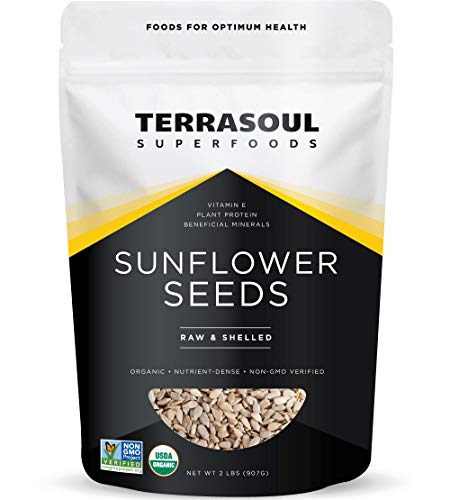
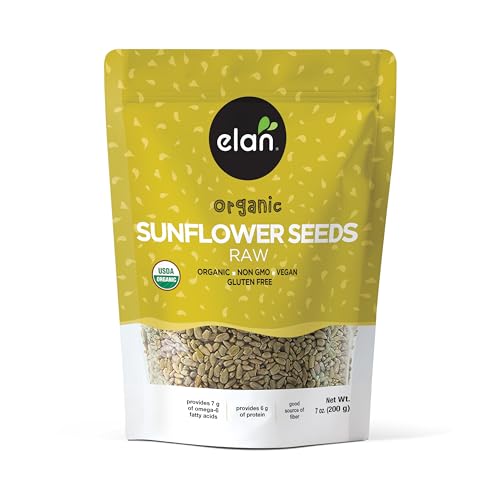
Organic certification is the foundation when choosing the best organic sunflower seeds. The most specification-aligned documentation in this set comes from USDA Organic, and a few brands pair it with Non-GMO Project-style language or third-party gluten-free verification. Anthony’s highlights batch testing for gluten-free status, Elan points to both USDA and Ecocert seals, and Micro Ingredients includes a third-party lab-test step in its process description. Each of those layers helps you trust the label without leaning on taste alone.
Hulled versus unhelled and raw versus roasted
Processing changes how seeds fit into your routine. Hulled kernels like NOW Foods, Terrasoul, Yupik, Anthony’s, Elan, Micro Ingredients, and the 365 by Whole Foods Market bag drop directly into recipes and smoothies. The 365 option is roasted, which gives a deeper flavor without added salt, while everything else in the hulled set is raw. Unhelled seeds, such as the go Raw sprouted sunflower seeds, arrive with their shells intact and a sea-salt seasoning. Sprouting is a separate process that the brand documents as a soaking and drying step.
Reading dietary credentials
Sunflower seeds cross many diet patterns, so credential breadth matters. The Yupik and Terrasoul bags carry the widest mix of vegan, gluten-free, and kosher labels. Go Raw extends that with Whole30-friendly and nut-free positioning. Micro Ingredients narrows the free-from list to soy, dairy, gluten, and tree nuts. If your kitchen needs to satisfy multiple restrictions, start with the brands whose listings show three or more credentials side by side.
Matching seeds to recipes and snacks
Use fit depends on how often you cook. Bakers and smoothie makers usually prefer shelled raw kernels in 2-pound or larger formats, so the Terrasoul 2-pound bag, the Yupik 2.2-pound bag, and the Micro Ingredients 4-pound pouch lead for volume. Smaller bags like the Elan 7.1-ounce pouch or the 365 by Whole Foods Market 12-ounce bag suit occasional snackers. For salads and bowls, raw hulled seeds from NOW Foods, Anthony’s, or Yupik sprinkle cleanly without extra prep. For trail mixes and lunchbox snacks, the go Raw sprouted seed adds texture and a touch of sea salt.
Packaging, storage, and freshness signals
Package format affects how seeds stay fresh. Rigid pouches and resealable bags help limit air exposure, while flat pouches like the Micro Ingredients 4-pound bag may be easier to decant into jars. Several listings advise storing seeds in a cool, dry place, and Elan repeats that note on its packaging description. None of the products in this set rely on refrigeration in their listings, so a pantry or cupboard with stable temperature is enough.
Sourcing and origin claims
A few listings include origin language. NOW Foods states that its sunflower seeds are grown in the USA and packaged by a family-owned company. Anthony’s notes that its product is packed in California. The Terrasoul and Yupik listings do not name the country of origin in the specification fields, so if you prefer to know where the seeds come from, the NOW Foods and Anthony’s listings give that information directly.
Final recommendation
Terrasoul Superfoods Organic Hulled Sunflower Seeds, 2 lb ranks first overall in this specification-based comparison under the published weighted criteria.
The final choice among the best organic sunflower seeds depends on the documented features that match your intended use.
After weighing organic depth, processing form, dietary credentials, intended use, packaging, and ingredient purity, NOW Foods Certified Organic Hulled Sunflower Seeds stands out as the first overall specification-based choice thanks to its USA-grown organic status, raw hulled form, and mid-size package. Among the top organic sunflower seeds, larger formats such as Terrasoul Superfoods Organic Hulled Sunflower Seeds in 2 pounds and the Micro Ingredients 4-pound pouch are strong picks for high-volume bakers, while the Elan and 365 by Whole Foods Market bags cover smaller households. The go Raw sprouted seed gives a different texture for snackers, and the Yupik 2.2-pound bag supports cooks who do not need an organic seal on every batch.
Frequently Asked Questions
Do the best organic sunflower seeds need to be hulled?
Hulling depends on how you plan to use them. Hulled kernels from NOW Foods, Terrasoul, Yupik, Anthony’s, Elan, Micro Ingredients, and 365 by Whole Foods Market drop straight into baked goods and smoothies. Unhelled seeds like the go Raw sprouted sunflower seeds keep their shells, which adds crunch but also extra prep.
What is the difference between raw and roasted organic sunflower seeds?
Raw seeds are dried without added heat beyond what is needed for hulling and storage. Roasted seeds, such as the 365 by Whole Foods Market kernels, go through a higher-heat step that deepens flavor. Both can be organic, but raw forms typically pair with more dietary credentials in this set.
Are sprouted sunflower seeds different from regular sunflower seeds?
Sprouted seeds go through a soaking and drying step before packaging. Go Raw documents that process and highlights vitamins E and B6 along with magnesium, selenium, manganese, and copper. Sprouting may change texture and how the body breaks down the seed, but the brand’s claims are the only evidence in this comparison.
Which bag size fits a small household?
Small households often choose 7 to 16 ounce bags. The Elan 7.1-ounce pouch, 365 by Whole Foods Market 12-ounce bag, go Raw 14-ounce bag, NOW Foods 16-ounce bag, and Terrasoul 16-ounce bag all fit that range. Larger 2-pound and 4-pound options suit bakers and smoothie makers who use seeds weekly.
How should organic sunflower seeds be stored?
Multiple listings, including Elan and Yupik, recommend a cool, dry place away from direct sunlight. A sealed pouch or jar in a pantry or cupboard is enough for the products in this guide, and refrigeration is not required by any of the brands listed.