Buying Guide
The best picnic dinner plates should match the food, transport method, group size, and cleanup plan rather than simply looking like ordinary dinnerware. The products in this comparison fall into two broad groups: reusable plates made from polypropylene, melamine, or wheat-straw fiber, and disposable plates made from paper or compostable plant fibers.
Choose reusable or disposable plates
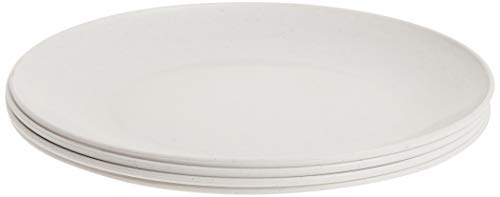
Reusable plates make sense when you picnic often and can carry the plates home for washing. Nordic Ware uses polypropylene and is listed as top-rack dishwasher safe. Yopay, PUPOPIK, MIYOPESI, and TP also provide reusable formats with stacking or lightweight designs. These options can reduce the need to buy replacements for every outing, but they add washing and storage responsibilities.
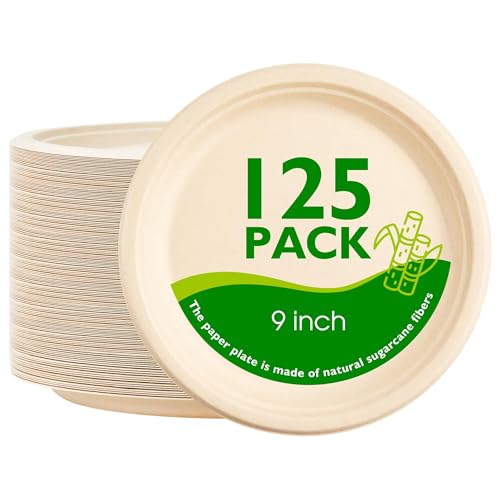
Disposable plates are useful when the event involves many guests or when returning with dirty dishes is inconvenient. PACKINNO, DaYammi, and Vplus use plant-fiber or bagasse materials, while Dixie Ultra uses heavy-duty paper. Their larger packs suit parties, BBQs, camping groups, and community events. Compostable or biodegradable descriptions do not mean the plates belong in every household compost bin, so check local facility requirements before disposal.
A 9-inch plate is relatively compact and can work well for lighter meals, snacks, salads, sandwiches, and modest portions. PUPOPIK and PACKINNO document this size. A 10-inch plate provides a familiar dinner footprint without the larger storage demands of oversized shapes; Nordic Ware and Dixie Ultra are examples.
For generous servings, look at the 10.5- and 11-inch options from TP, Yopay, and MIYOPESI. DaYammi and Vplus use 12-inch oval formats that provide particularly broad coverage. Oval plates can help separate larger portions or barbecue foods, but their shape may be less convenient to stack in a standard round container.
Consider heat and care instructions
Care labels differ substantially. Nordic Ware, Yopay, and PUPOPIK list microwave compatibility, while TP, Amazon Basics melamine, and other melamine options specifically limit or exclude microwave use. Never assume that a reusable plate is microwave safe merely because it is suitable for hot food. Follow the product’s stated instructions.
Dishwasher compatibility is another important distinction. Nordic Ware, Yopay, PUPOPIK, TP, and Amazon Basics melamine provide dishwasher-related guidance. For disposable plates, microwave safety is documented for PACKINNO, DaYammi, Vplus, and Dixie Ultra. Freezer safety is specifically listed for DaYammi and Vplus. These specifications are useful if food is prepared in advance, but they do not replace checking the packaging instructions.
Evaluate outdoor durability
Picnic plates need to carry food while being moved across grass, tables, or blankets. Melamine and polypropylene designs are reusable alternatives to ceramic, and several listings describe them as resistant to cracking, chipping, or shattering. Wheat-straw products emphasize lightweight and unbreakable construction. The exact feel and rigidity are not independently tested here, so treat those statements as listing-based specifications rather than hands-on performance findings.
For disposable use, look for evidence about sogginess, leaks, bending, and cutting. PACKINNO, DaYammi, Vplus, and Dixie Ultra document some combination of these traits. This matters for saucy pasta, BBQ, salads with dressing, and meals that require a knife. A plate described only as decorative or standard paper may be better suited to lighter foods.
Plan pack size and transport
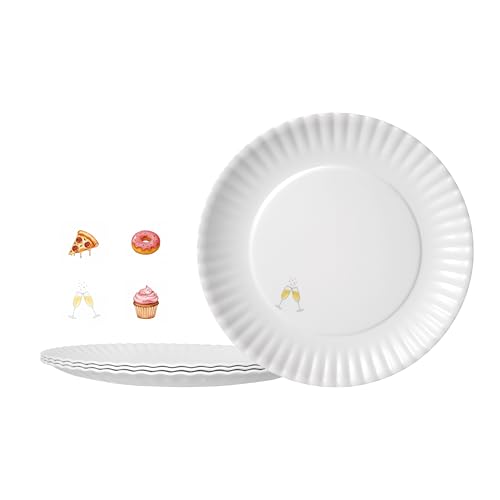
Pack quantity should reflect the number of diners, plus a small allowance for seconds or replacements. Four-piece reusable sets from Nordic Ware, PUPOPIK, and TP are convenient for a small household or couple, while Yopay’s eight-piece set and MIYOPESI’s six-piece set cover more diners. LIYH was not selected because its set combines dinner and dessert plates, but that format illustrates why checking the contents matters when you need dinner plates specifically.
Bulk disposable sets are more practical for large gatherings. PACKINNO and Vplus provide 125 plates, while Dixie Ultra provides 100. DaYammi supplies 60. These quantities reduce the risk of running out, though they require more storage and may be excessive for a short outing. Use a rigid tote or flat container to prevent paper plates from bending before the picnic begins.
Think about materials and restrictions
Material affects care, disposal, and the overall picnic experience. Polypropylene and wheat-straw fiber options are positioned as lightweight reusable choices. Melamine can offer a more dinnerware-like format, but the selected melamine products are not microwave safe. Paper and bagasse plates simplify cleanup, but their environmental claims depend on local disposal conditions.
Also check whether the plate is BPA-free, PFAS-free, or made without plastic and wax coatings when those details matter to your household. Such statements appear in the supplied listings for several selected products, but this comparison does not independently verify them.
Final Recommendation
Dixie Ultra 10-Inch Paper Plates ranks first overall in this specification-based comparison under the published weighted criteria.
Nordic Ware Polypropylene Plates are the first overall specification-based choice among the best picnic dinner plates because they combine a 10-inch dinner size, reusable polypropylene construction, microwave and top-rack dishwasher compatibility, and stated resistance to chipping, cracking, and shattering. For a larger group, Yopay offers eight lightweight 11-inch plates with microwave and dishwasher safety. For disposable events, PACKINNO provides a large compostable bagasse pack, while Dixie Ultra is a practical heavy-duty paper alternative.
The top picnic dinner plates depend on whether you prioritize repeated use, maximum serving space, or fast cleanup. Choose PUPOPIK for a compact microwave-safe set, MIYOPESI for roomy reusable melamine, DaYammi or Vplus for large oval compostable formats, and TP for a colorful party setting. Always verify current care instructions and disposal requirements before use.
Frequently Asked Questions
What are the best picnic dinner plates for repeated use?
Nordic Ware, Yopay, PUPOPIK, MIYOPESI, and TP are the most specification-aligned reusable choices in this comparison. Nordic Ware is polypropylene, Yopay and PUPOPIK use wheat-straw-based materials, and MIYOPESI and TP use melamine. Compare pack size and care instructions with your normal picnic routine.
Are melamine plates suitable for microwave reheating?
The selected melamine listings do not establish general microwave safety. TP explicitly says its plates are not microwaveable, and Amazon Basics melamine also says not to microwave. MIYOPESI describes use with warm and cool foods but does not state microwave safety. Use only the care instructions supplied for the specific product.
Which plates are best for messy picnic foods?
Dixie Ultra, PACKINNO, DaYammi, and Vplus provide the clearest evidence for messy foods. Their listings mention combinations of soak, oil, leak, sogginess, bending, or cut resistance. This makes them more suitable for saucy meals, BBQ foods, and salads than a basic light paper plate, although the claims are based on public listing data rather than independent testing.
Are compostable picnic plates accepted in every compost bin?
No. PACKINNO, DaYammi, and Vplus describe compostable or biodegradable plant-fiber construction, but disposal rules vary. Some products require commercial composting facilities, and Dixie Ultra’s listing specifically notes a California exception. Check local guidance instead of placing these plates automatically in household compost.
What plate size works for a full picnic dinner?
Ten inches is a useful middle ground for ordinary dinner portions. Eleven-inch plates from Yopay and MIYOPESI provide more room, while DaYammi and Vplus offer 12-inch oval surfaces for generous servings. Nine-inch plates such as PUPOPIK and PACKINNO are more compact and may suit lighter portions or snacks.