Buying Guide
The best plush bedding duvet cover sets are easiest to compare when you separate the decorative surface from the practical construction. These products are covers rather than complete comforters: most selected listings include one duvet cover and two pillowcases or shams, while the insert is not included. Check the dimensions of your existing insert before ordering, especially when a listing uses terms such as Full/Queen or gives a nonstandard pillowcase measurement.
Choose the plush surface and reverse
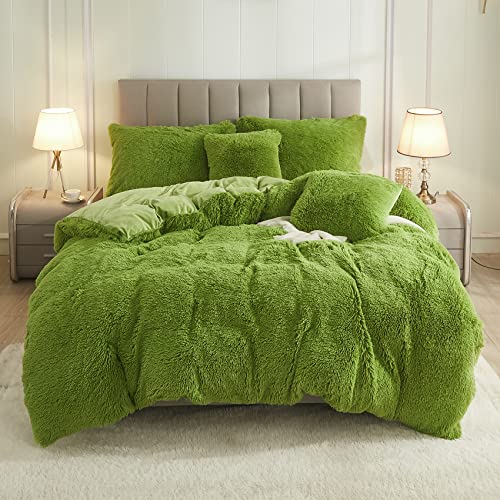
Most of the selected sets use a two-sided design. A shaggy faux-fur, rabbit-fur, or long-plush face supplies the visual texture, while crystal velvet, milk velvet, or brushed microfiber forms the reverse. That arrangement can be useful if you want a softer-feeling surface against the body or a less textured side for a different look.
The listings differ in how precisely they describe the face. JELLYMONI provides 750 GSM faux rabbit fur and a 230 GSM milk-velvet lining. FOPPA lists 330 GSM shaggy fabric and a 280 GSM velvet reverse. Those figures can help you compare the documented material construction, but they do not independently prove warmth, softness, or long-term durability. EMME, Uhamho, and Lotus Karen describe additional fabric characteristics, including resistance to fading, wrinkles, pilling, or pet claws; treat these as manufacturer-provided claims rather than test results.
Match the set to your bed
Queen is the most common format in this comparison, with several covers listed around 90 by 90 inches. King examples include 104 by 90 inches, as shown by JELLYMONI and MEGO. For a Full bed, Lotus Karen supplies an 80-by-90-inch cover, and for a Twin, Uhamho lists a 66-by-90-inch cover.
Pillowcase dimensions vary more than the cover dimensions. Confirm whether you need pillowcases, shams, or an extra decorative cover.
Prioritize insert control
A hidden zipper is standard across the selected products and makes it easier to insert or remove a duvet. Internal ties help keep the insert from shifting. More ties may provide more attachment points, but the supplied evidence does not establish a tested performance difference.
When a listing does not state the tie count, do not assume it has the same arrangement as another brand. Gusuhome documents a zipper but does not specify the number of ties in the supplied details. That is a small but relevant distinction if your insert tends to move or bunch.
Read the care instructions closely
Nearly every selected plush cover calls for cold washing on a gentle cycle, turning the cover inside out, and drying with low or very low heat. Several listings warn against bleach and ironing. Uhamho, Gusuhome, Lotus Karen, and FOPPA also caution against hang drying or recommend shaking the cover to restore fluffiness. These instructions reflect the pile and shape of plush fabrics, so laundering may require more attention than a plain cotton cover.
MEGO adds dry-cleaning as an option and recommends low or no heat. SUCSES advises washing before first use to reduce cutting debris, while ERLOXO identifies its fabric as OEKO-TEX Standard 100 certified. Certification and care guidance are useful specification details, but neither replaces checking the current product label.
Select a design that fits the room
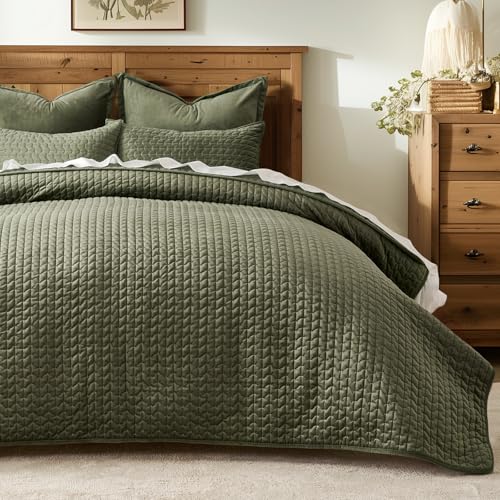
Solid colors offer the easiest coordination. ERLOXO and FOPPA provide pink options, Gusuhome uses avocado green, and MEGO lists sage green. LIFEREVO’s rainbow option and Lotus Karen’s stated solid and tie-dye range provide additional color flexibility.
Think about whether the plush face is intended to be the room’s focal point or a quieter texture layered with existing pillows and throws. A patterned or long-pile cover may dominate a small room, while a solid velvet-backed option can be easier to coordinate. This is a design judgment rather than a performance claim.
Account for what is not included
A duvet cover set does not automatically include a comforter, duvet insert, or pillows. ERLOXO, FOPPA, and JELLYMONI explicitly state that the insert or comforter is not included; other listings describe the cover format in similar terms. Confirm the package contents before buying and compare the cover dimensions with your insert. If you want a ready-to-use bed, budget separately for the insert and verify its fill weight and dimensions.
Final Recommendation
LIFEREVO Faux Rabbit Fur Rainbow Set ranks first overall in this specification-based comparison under the published weighted criteria.
LIFEREVO Faux Rabbit Fur Rainbow Set is the highest-scoring returned product and the first overall specification-based choice among the best plush bedding duvet cover sets. Its documented synthetic rabbit fur, puffed texture, eight ties, hidden zipper, three size groups, and multiple colors create the most specification-aligned all-around specification profile in this comparison.
MEGO is the better fit when eight internal ties matter most, while Uhamho is the most specification-aligned option for shoppers comparing detailed Twin, Queen, and King dimensions. Choose Lotus Karen for extensive color variety, JELLYMONI for a high-density King design, or EMME if the listing’s pet-aware fabric claim is relevant to your household. FOPPA and ERLOXO suit pink Queen rooms, Gusuhome offers dual-use flexibility, and SUCSES brings a vivid Full-size teen-room design. Together, these top plush bedding duvet cover sets cover the main choices: pile, reverse texture, closure, tie count, size, care, and appearance.
Frequently Asked Questions
Among the best plush bedding duvet cover sets, are plush duvet cover sets sold with the comforter insert?
Usually not in the selected examples. These products are covers designed to go over an existing duvet, quilt, or comforter insert. ERLOXO, FOPPA, and JELLYMONI explicitly say the insert or comforter is not included. Check the package description for the exact product you select.
What is the difference between faux fur and velvet-backed plush bedding?
Faux fur or shaggy plush generally describes the textured face, while velvet, crystal velvet, milk velvet, or brushed microfiber describes the smoother reverse. Many of the best plush bedding duvet cover sets use both surfaces, giving the cover a decorative side and a softer, less textured side. The listing terms describe construction; they do not provide an independent softness test.
How should a plush duvet cover be washed?
The selected listings commonly recommend turning the cover inside out, machine washing cold on a gentle cycle, avoiding bleach and ironing, and tumble drying on low or very low heat. Some advise drying flat, avoiding hang drying, or shaking the cover to restore the pile. Always follow the care label supplied with the specific set.
How many ties should a duvet cover have?
Four corner ties are common in the selected products, while MEGO and JELLYMONI specify eight. More attachment points can offer more places to connect an insert, but the supplied evidence does not prove that one tie count performs better in every bed. Match the ties to the loops on your insert where possible.
Which size should I choose for a Queen bed?
Start with the cover dimensions rather than relying only on the size label. Many selected Queen covers measure about 90 by 90 inches, while pillowcase dimensions can vary. Compare the listing’s cover and case measurements with your insert and pillows, particularly when the product is labeled Full/Queen or uses unusually sized shams.