Buying Guide
Political freedom is a category that spans classical liberal theory, memoir, civil-liberties documentation, and contemporary constitutional argument. The best political freedom books are typically chosen by readers who want a clear link between abstract principles and real institutional questions, so the editorial comparison below groups titles by the kind of freedom they emphasize: legal-constitutional, economic, psychological, or lived experience.
Defining Your Interest in Political Freedom
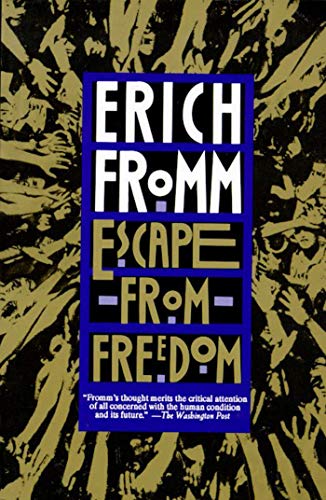
Before selecting a title, decide which dimension of freedom matters most. Readers focused on the institutional architecture of liberty will gravitate toward the legal and constitutional tradition represented by The Constitution of Liberty: The Definitive Edition and Capitalism and Freedom. Those interested in the lived experience of political struggle will find Long Walk to Freedom a strong primary-source narrative. Readers who want to understand how citizens psychologically relate to freedom may prefer Escape from Freedom. A category-specific comparison is more useful than a generic ranking because each of these books addresses a distinct question.
Classical-Liberal and Constitutional Foundations
Titles in this cluster treat freedom as a matter of rules, property, and limited government. The Constitution of Liberty: The Definitive Edition offers a 688-page Collected Works treatment from the University of Chicago Press. Capitalism and Freedom condenses the economic-political argument into shorter, classroom-friendly chapters. The Indispensable Milton Friedman curates the same tradition through an essay anthology, while One Generation Away brings the constitutional conversation into the current US context. Readers building a core liberty library often start with at least one foundational treatise alongside a contemporary application.
Memoir and Lived Political Experience
Memoir-style entries bring political freedom out of the abstract and into personal narrative. Long Walk to Freedom documents Nelson Mandela’s decades of activism and imprisonment, providing an unusually detailed first-person account of how political freedom is negotiated and contested. Memoir works complement theoretical titles because they illustrate how legal arguments about liberty operate against the realities of state power.
Civil Liberties and State Power
Readers concerned with the relationship between government surveillance and political rights can look to titles such as Cointelpro, which documents FBI counterintelligence programs targeting political activists. Pairing such investigative works with broader theoretical titles helps readers connect historical episodes of state action to ongoing debates about constitutional limits.
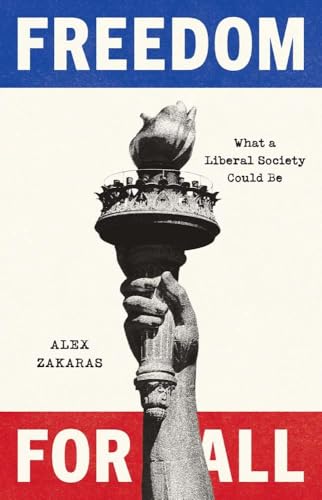
Recent releases address specific components of political freedom in current debate. The Indispensable Right narrows the conversation to free speech, while One Generation Away focuses on US civic restoration. Freedom for All, a 2025 Yale University Press hardcover, revisits liberal theory in light of contemporary critique. These newer titles serve readers who want to anchor classical arguments in present-day institutional questions.
Readability and Structural Considerations
Page count, chapter structure, and binding influence how a book is used. Paperback reissues such as Capitalism and Freedom and Escape from Freedom suit readers who want portable, classroom-friendly formats. Hardcover editions like The Constitution of Liberty: The Definitive Edition and Freedom for All are typically chosen for reference libraries. Theoretical density, chapter length, and use of primary documents are practical factors when comparing titles across the category.
Pairing Titles for Deeper Study
Readers building a deeper study list often pair a classical treatise with a contemporary application and a memoir. For example, The Constitution of Liberty: The Definitive Edition paired with One Generation Away and Long Walk to Freedom covers theoretical, contemporary, and experiential angles on liberty. Such combinations reflect how the best political freedom books are typically read in dialogue rather than in isolation, which is one reason curated top political freedom books lists often group titles by tradition rather than by single-criterion rank.
Final Recommendation
The Constitution of Liberty: The Definitive Edition ranks first overall in this specification-based comparison under the published weighted criteria.
The final choice among the best political freedom books depends on the documented features that match your intended use.
The Constitution of Liberty: The Definitive Edition is the first overall specification-based choice in this comparison, owing to its Collected Works treatment, expansive scope across law and economics, and the authority of the University of Chicago Press imprint. For readers seeking a shorter entry point, Capitalism and Freedom offers a compact pairing of economic and political liberty. Memoir readers should consider Long Walk to Freedom as a primary-source counterweight, and those exploring contemporary US debates can pair One Generation Away with The Indispensable Right. Together these selections reflect the range of top political freedom books covered in this guide.
Frequently Asked Questions
What makes a book one of the best political freedom books in 2026?
A useful definition combines editorial focus on liberty, rights, or limited government with scholarly provenance and structural accessibility. The best political freedom books typically engage directly with how freedom is defined, constrained, or expanded in law, economics, or lived experience.
Which book should I read first when exploring political freedom?
Readers new to the category often start with a concise classical argument such as Capitalism and Freedom, then move to a longer foundational work like The Constitution of Liberty: The Definitive Edition. Pairing a theoretical text with a memoir such as Long Walk to Freedom can help anchor abstract concepts in historical reality.
Are older titles still relevant among the political freedom books?
Yes. Mid-century works such as Escape from Freedom and Capitalism and Freedom remain widely cited because their core arguments about liberty, markets, and authoritarianism continue to inform contemporary debate. Relevance is judged by argumentative content rather than publication date alone.
How do I choose between a memoir and a theoretical text?
The choice depends on whether you want primary narrative evidence or systematic argument. Memoirs like Long Walk to Freedom show political freedom as a lived process, while theoretical titles such as Freedom for All or The Constitution of Liberty: The Definitive Edition build structured frameworks. Many readers combine both kinds of titles.
Do hardcover editions matter for political freedom books?
Hardcover editions such as Freedom for All or The Indispensable Milton Friedman are often chosen for reference libraries because of durability and shelf presence. Paperback reissues of classic titles tend to be more portable for classroom or casual reading. The choice depends on whether the book will be reread or carried frequently.