Buying Guide
Choosing best portion dinner plates starts with deciding whether you want physical compartments, printed guidance, or an adjustable system. The selected products fall into those three useful design families. Divided plates create a physical boundary between foods. Visual plates use flat marked areas to show food-group proportions without raised walls. Adjustable plates add a mechanism intended to change the target portions.
Choose the portion layout first
Three-section designs are common in this comparison. These are suitable when you want a simple repeatable meal pattern. The exact labeling varies, so read the product description carefully if a particular food-group split matters.
Four-section plates offer a different approach. The Health Beet Choose MyPlate model documents separate areas for fruits, vegetables, grains, and protein. AIYoo instead describes one main section and three side sections. That distinction matters: one is explicitly organized around four food groups, while the other is organized around serving separation and flexibility.
Compare physical separation with visual guidance
Raised compartments can help keep foods from touching and may make scooping easier. Uba specifically documents high partitions and side edges, while the WBXZIXN ceramic model and Sweese describe edges intended to help contain food. This style may be useful for diners who prefer distinct foods or want to reduce cross-flavor mixing.
Flat visual plates take up less visual space within the eating surface and can present nutrition guidance without deep walls. Health Beet’s four-section model is the clearest example because its areas are explicitly tied to fruits, vegetables, grains, and protein. A flat design may be less suitable if you need strong physical separation, but it can be easier to treat like a conventional dinner plate.
Match material to the setting
Polypropylene and other reusable plastic designs are prominent in the group. Health Beet, CrazyTerra, and AIYoo document reusable construction, while several products describe their materials as BPA-free. Plastic-style plates are generally positioned for lightweight household, school, travel, camping, or picnic use in the supplied listings. Confirm the exact care instructions for the model you select rather than assuming all plastics share the same heat limits.
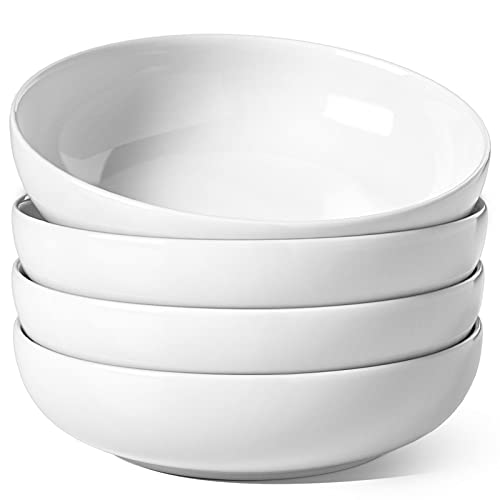
Porcelain and ceramic options provide a more traditional dinnerware presentation. Sweese, Uba, and WBXZIXN document porcelain or ceramic construction, with white finishes and stackable designs. They may suit a dining room or everyday table where appearance is important. The trade-off is that ceramic and porcelain can be less convenient to carry than lightweight plastic or stainless steel, and the supplied evidence does not establish drop resistance.
Stainless steel is another documented design type in the candidate pool, represented by AIYoo’s three-compartment plate. It is described as rust-resistant, shatterproof, dishwasher safe, and suitable for camping or travel. Because it is not among the ten selected products, it is not included in the final comparison; shoppers specifically seeking metal should verify current specifications separately.
Check size, depth, and pack quantity
Most selected round plates measure about 9 to 10 inches. That range can be easier to fit in ordinary cabinets and may work well for controlled servings. The greenandlife set changes the format with 10.8-by-7.9-inch rectangular plates and a stated 1.4-inch depth. The Uba plate measures 10 by 8.5 inches, while the WBXZIXN model measures 9.5 by 9.5 inches. Compare the listed dimensions with your storage space and typical meal size.
Depth also affects use. Deeper sections may help contain foods with sauces or liquid, but they can make the plate feel more like a tray. Sweese documents a no-spill edge, Uba lists high partitions, and greenandlife specifies deeper compartments. These are documented design details, not results from hands-on testing.
Pack size should match the way the plates will be used. Single-plate options work for one person or as a teaching tool. Two-piece sets suit couples or occasional use. Four- and eight-piece sets are more practical for families, classrooms, offices, or regular meal preparation. The VIYNRAN set is especially different because it adds bowls, while the Portions Master model remains a single adjustable plate.
Verify heating and cleaning claims
Care versatility can simplify routine use. Sweese documents microwave, oven, and dishwasher compatibility. Several polypropylene or wheat-straw and PP products document microwave and dishwasher use, and some also list freezer safety. VIYNRAN does not provide microwave or dishwasher information in the supplied evidence, so it should not be treated as heat-compatible without checking the product’s current instructions. Portions Master likewise lacks supplied material and cleaning specifications.
Do not infer that a plate is oven-safe merely because a similar plate is. Use only the care guidance listed for the exact model. This is particularly important when comparing ceramic, porcelain, melamine, PP, and other materials.
How the ranking was calculated
The editorial ranking uses five category-specific criteria: portion guidance, everyday usability, material and durability, size and layout, and care versatility. Their weights total 100. Scores reflect only the supplied listing features and specifications. No score uses ratings, review activity, popularity, purchase activity, or marketplace labels. The result is a specification-based comparison, not a hands-on test.
Final Recommendation
Health Beet Choose MyPlate Portion Control Plate ranks first overall in this specification-based comparison under the published weighted criteria.
Health Beet Choose MyPlate Portion Control Plate is the first overall specification-based choice among the best portion dinner plates because it combines four clearly identified food groups with polypropylene construction and microwave, dishwasher, and freezer compatibility. Sweese is a strong alternative for porcelain tableware, while Uba favors raised separation and the AIYoo four-section model offers a more flexible compartment arrangement. For households, CrazyTerra provides the largest selected pack, and greenandlife suits shoppers who want a larger rectangular plate with deeper sections. These top portion dinner plates serve different routines, so prioritize layout, material, dimensions, and care instructions over appearance alone.
Frequently Asked Questions
What should I look for in the best portion dinner plates?
Start with the layout. Choose a three-section plate for a straightforward vegetable, protein, and grain or carbohydrate pattern. Choose four sections if you want fruits and vegetables separated, as documented by the Health Beet Choose MyPlate model. Then check material, dimensions, pack quantity, and whether microwave, dishwasher, oven, or freezer use is specifically stated.
Are divided plates better than flat visual portion plates?
Neither design is universally better. Divided plates physically separate foods and may help reduce mixing. Flat visual plates show food-group areas without raised walls and may feel closer to ordinary dinnerware. The right choice depends on whether physical separation or visual nutrition guidance is more useful for your meals.
Are porcelain portion plates suitable for everyday use?
They can be, when the listing documents the care features you need. Sweese lists microwave, oven, and dishwasher use, while Uba lists microwave, freezer, and dishwasher safety plus a stated heat limit. Porcelain and ceramic may provide a more traditional appearance, but the supplied listings do not establish resistance to drops.
What size portion plate should I buy?
Many selected models are 9 to 10 inches in diameter or width, which may fit standard storage and controlled meals. Larger or deeper designs, such as the 10.8-inch rectangular greenandlife set, may provide more capacity. Compare the listed measurements with your cabinet space and typical serving needs before ordering.
Do portion plates replace professional dietary advice?
No. These plates are meal-planning tools described by their listings as guides for balanced portions. They should not be treated as medical devices or as a substitute for advice from a qualified healthcare professional, particularly when managing diabetes, bariatric recovery, or another health condition.