Buying Guide
The best silverado chassis body lift kits are not interchangeable across every Silverado generation. Start with the truck’s exact model year, cab and box configuration, drivetrain, trim, and suspension equipment. The listings in this comparison span 1995-1998, 2003-2005, 2007-2013, 2014-2015, 2016-2018, 2019-2022, and broader 2007-2024 ranges. A kit that fits one body style may exclude Denali, 1500HD, MagneRide, Trail Boss, AT4, ZR2, or other special configurations.
Body lift versus chassis-leveling design
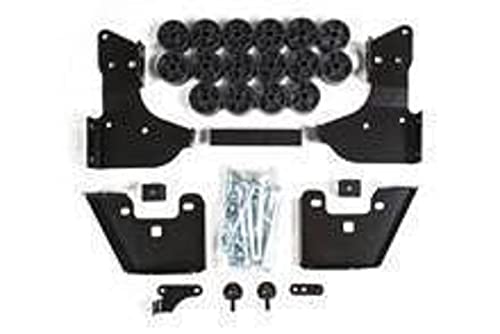
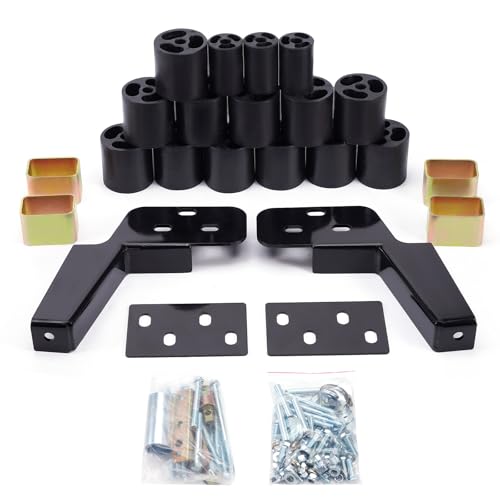
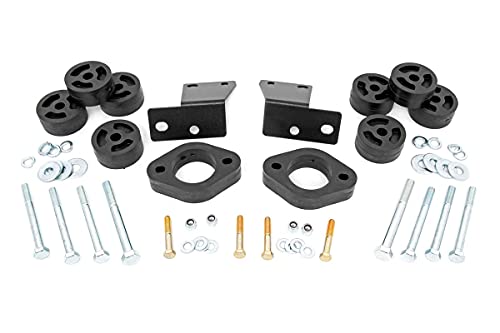
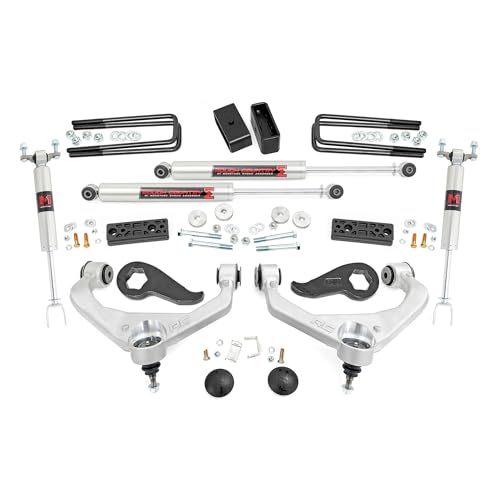
Traditional body-lift kits use spacers or pucks between the truck body and frame. The ZoneOffRoad ZONC9151, ZoneOffRoad ZONC9153, ZoneOffRoad ZONC9158, Rough Country RC704, Waverspeed kit, and both maXpeedingrods kits are documented as body lifts. Their listed components can include body blocks, bumper brackets, steering extensions, radiator brackets, and related hardware. These products are useful when the goal is to raise the body while keeping the lift method separate from the suspension.
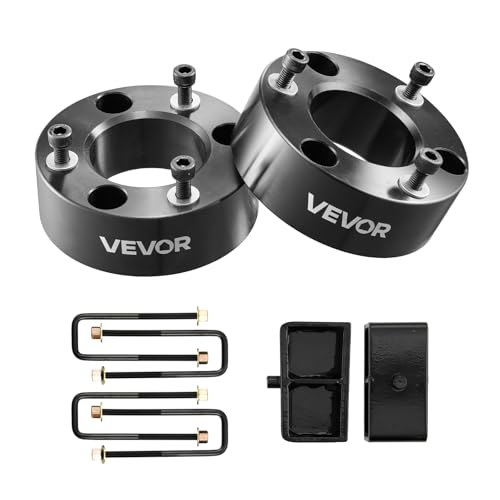
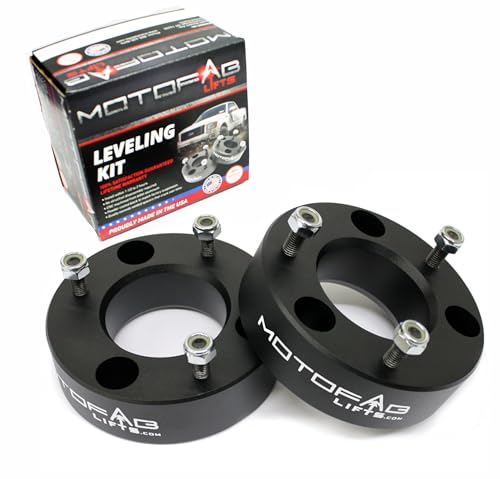
Chassis-leveling designs use front strut spacers and rear lift blocks, as shown by the VEVOR kit and the Aeagle kit. They change the suspension-side geometry and may pair the lift with upper control arms, ball joints, or extended U-bolts. TOWGUARD also describes a front-and-rear lift with rear blocks and U-bolts. Do not assume a body-lift listing and a chassis-leveling listing provide the same installation process or the same final result.
Match the lift height to the intended setup
The selected products range from 1.5-inch body lifts to 3-inch body lifts and front/rear combinations of 3 inches and 2 inches. A 1.5-inch option such as ZONC9151, ZONC9153, or ZONC9158 offers a smaller change in body height than the 3-inch Waverspeed, Rough Country, or maXpeedingrods options. VEVOR and Aeagle use a 3-inch front and 2-inch rear configuration, while TOWGUARD lists 3 inches at both ends.
Lift height should be read together with the kit’s documented tire statement and the truck’s current wheel, tire, and suspension configuration. Waverspeed and the 1995-1998 maXpeedingrods listing mention tire compatibility up to 33 inches, while VEVOR cautions that spacer thickness does not equal final lift because suspension geometry affects the result. Treat those statements as application information, not as a substitute for checking the complete vehicle setup.
Check what the package actually includes
Component coverage is one of the clearest differences among these products. Waverspeed lists body lift blocks, bumper relocation brackets, radiator relocation brackets, steering extensions, a square frame channel, and hardware. The 2007-2013 maXpeedingrods kit lists front and rear bumper brackets, body lift pucks, a steering extension, and hardware. ZONC9158 adds emergency-brake-line relocation and retains front tow hooks.
The chassis-leveling kits follow a different component pattern. VEVOR lists two front strut spacers, two rear lift blocks, two U-bolts, and high-strength bolts. Aeagle adds upper control arms, ball joints, replacement ball joints, lift pieces, bolts, nuts, washers, and U-bolts. TOWGUARD identifies a rear lift block and U-bolts while emphasizing that rear setup details still need verification. Compare this list with the parts already on the truck before assuming every required relocation or support component is included.
Review construction and hardware details
Construction information is more complete for some listings than others. Waverspeed specifies thick steel brackets with powder coating. The 2007-2013 maXpeedingrods kit lists steel brackets, zinc-plated hardware, and powder-coated protection. The older maXpeedingrods kit identifies PA66+GF30 spacers and galvanized, powder-coated steel hardware. ZoneOffRoad specifies Grade 10.9 bolts for ZONC9151 and ZONC9153, and Grade 8 bolts for ZONC9158.
VEVOR provides the most specific spacer material in the chassis-leveling group, identifying forged 6061-T6 aluminum with an anodized finish. Aeagle describes coated steel control arms, while Rough Country RC704 supplies less construction detail in the provided listing but does identify its RC704 part number and 3-inch size. Use the stated material and hardware information to compare documented specifications, not to infer performance beyond what the listing says.
Plan for installation and follow-up checks
Installation requirements vary significantly. Waverspeed states that cutting, drilling, or welding is required and that no instructions are included. Both maXpeedingrods body-lift listings also state that cutting, drilling, or welding is required. By contrast, TOWGUARD describes bolt-on installation on compatible setups, and VEVOR describes installation using factory mounting points while recommending four-wheel alignment afterward.
ZoneOffRoad gives installation estimates of 3-4 hours for ZONC9153 and 3-5 hours for ZONC9151, with both listings showing difficulty level 2 of 5. Rough Country RC704 lists a 4-5 hour estimate. These are listing estimates rather than a promise for every vehicle. After a chassis-leveling installation, VEVOR specifically recommends four-wheel alignment. TOWGUARD also says alignment should be considered after installation, and its application notes emphasize confirming rear-spring configuration and wheel/tire fitment.
Pay close attention to restrictions
Restrictions can change whether a kit fits the intended build. RC704 does not fit diesel engines, and its listing says the rear bumper cannot be used for towing. ZoneOffRoad’s 1.5-inch kits exclude specific trims, and ZONC9158 states that its rear bumper is for appearance only and cannot be used for towing. The ZONC9153 listing applies a similar caveat when optional rear bumper brackets are used.
TOWGUARD excludes several factory-lifted or special-suspension trims and separates 2019 old-body and new-body fitment. VEVOR covers a broad year range but still requires attention to geometry and alignment. Read every exclusion before selecting a kit, especially when the truck has factory lift equipment, adaptive suspension, a special trim, a diesel engine, a long box, or a nonstandard rear-spring arrangement.
Final Recommendation
ZoneOffRoad ZONC9151 1.5-inch Body Lift ranks first overall in this specification-based comparison under the published weighted criteria.
ZoneOffRoad ZONC9151 is the first overall specification-based choice among these best silverado chassis body lift kits because it combines precise 2014-2015 Silverado 1500 fitment, a moderate 1.5-inch front-and-rear body lift, bumper relocation, Grade 10.9 bolts, and useful installation documentation. It is not a universal kit, and its Denali exclusion must be confirmed before selection.
For earlier 2003-2005 trucks, ZoneOffRoad ZONC9153 provides a similar moderate-height approach, while Waverspeed offers the more extensively documented 3-inch relocation package. For 2007-2013 applications, the maXpeedingrods body lift supplies a broad 2WD/4WD fitment range and key brackets. Buyers comparing the top silverado chassis body lift kits should then decide whether they want a traditional body lift or a chassis-leveling setup.
VEVOR is the most broadly documented chassis-leveling option in this group, with 2007-2023 coverage, front and rear components, and specified aluminum spacers. Aeagle is a more component-rich choice for 2019-2022 trucks because it includes upper control arms and ball joints. TOWGUARD covers multiple 2007-2024 body-style groups but requires especially careful verification of trim and rear-suspension details.
Frequently Asked Questions
What should I verify before choosing the best silverado chassis body lift kits?
Verify the exact Silverado model year, cab and box style, 2WD or 4WD configuration, engine, trim, factory suspension equipment, rear-spring setup, and intended wheel and tire combination. Also check whether the listing excludes Denali, 1500HD, MagneRide, Trail Boss, AT4, ZR2, 2019 limited-body variants, or other special configurations. The fitment notes for each selected product should be treated as part of the specification, not as optional reading.
Are body lifts and chassis-leveling kits the same thing?
No. A body lift raises the body relative to the frame with body blocks or pucks and may require bumper, radiator, or steering relocation. The ZoneOffRoad, Rough Country, Waverspeed, and maXpeedingrods products in this guide are documented as body lifts, while VEVOR and Aeagle document chassis-leveling components.
Do all of these kits provide the same lift at the front and rear?
No. ZoneOffRoad, Rough Country, Waverspeed, and maXpeedingrods list body lifts with matching front and rear heights where specified. VEVOR and Aeagle list 3 inches at the front and 2 inches at the rear, while TOWGUARD lists 3 inches at both ends. VEVOR also notes that spacer thickness is not the same as final lift because suspension geometry affects the result.
When is alignment relevant after installation?
Alignment is particularly relevant for chassis-leveling designs that alter suspension-side geometry. VEVOR recommends four-wheel alignment after installation, and TOWGUARD notes that post-install alignment should be considered. A body lift may have different follow-up requirements, especially when steering, bumper, radiator, brake-line, or other relocation components are involved. Follow the applicable installation documentation and have the completed setup checked before regular driving.
Waverspeed lists bumper and radiator relocation brackets plus a steering extension. The 2007-2013 maXpeedingrods kit lists front and rear bumper brackets and a steering extension. ZoneOffRoad ZONC9151, ZONC9153, and ZONC9158 document bumper relocation, while ZONC9158 also lists emergency-brake-line relocation and retained front tow hooks. Check towing restrictions carefully because some rear bumper relocation arrangements are described as appearance-only.